
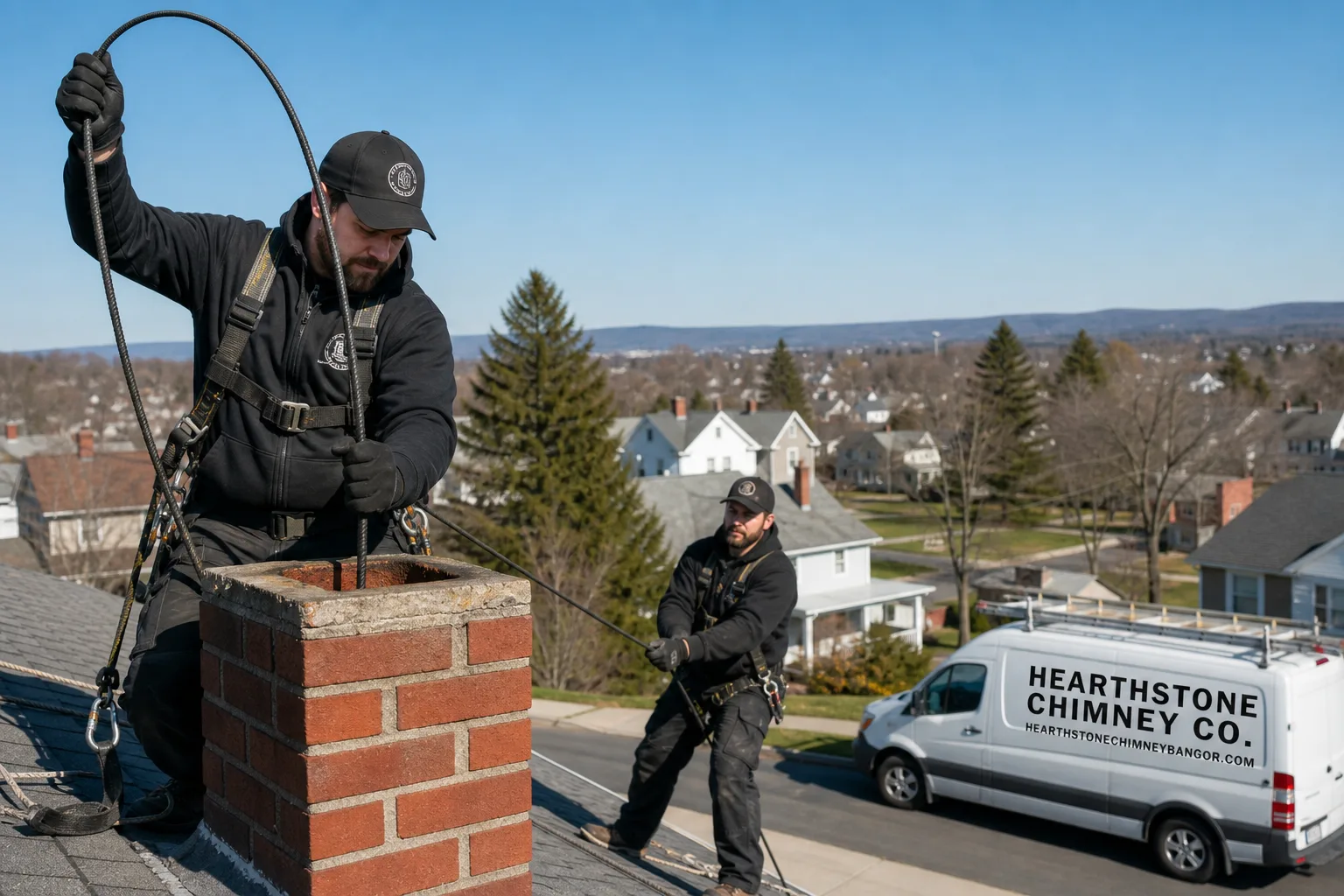
Level 1 sweep and inspection to the NFPA 211 annual standard - flue, crown, cap, and flashing checked and photographed
Chimney sweep logs do not sweep chimneys. They loosen some creosote - which then falls where a brush and vacuum still have to collect it.
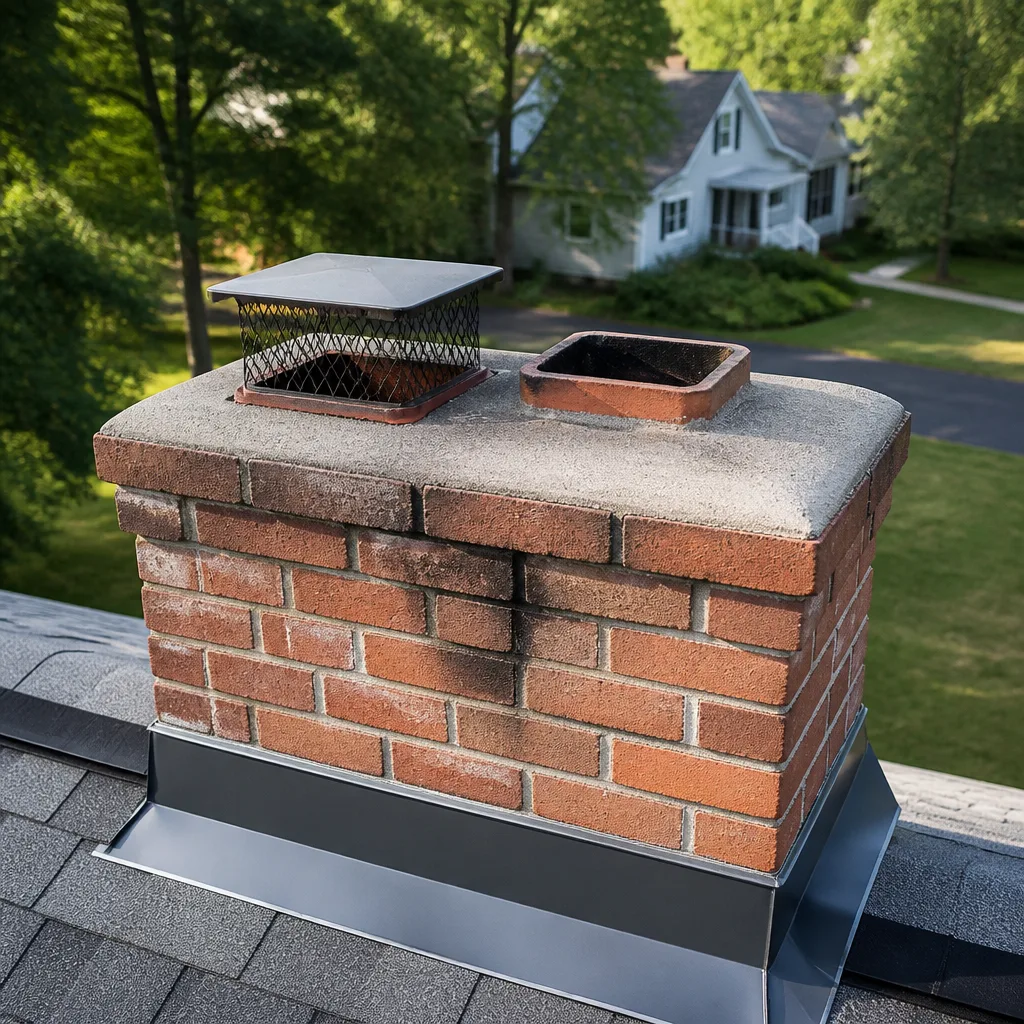
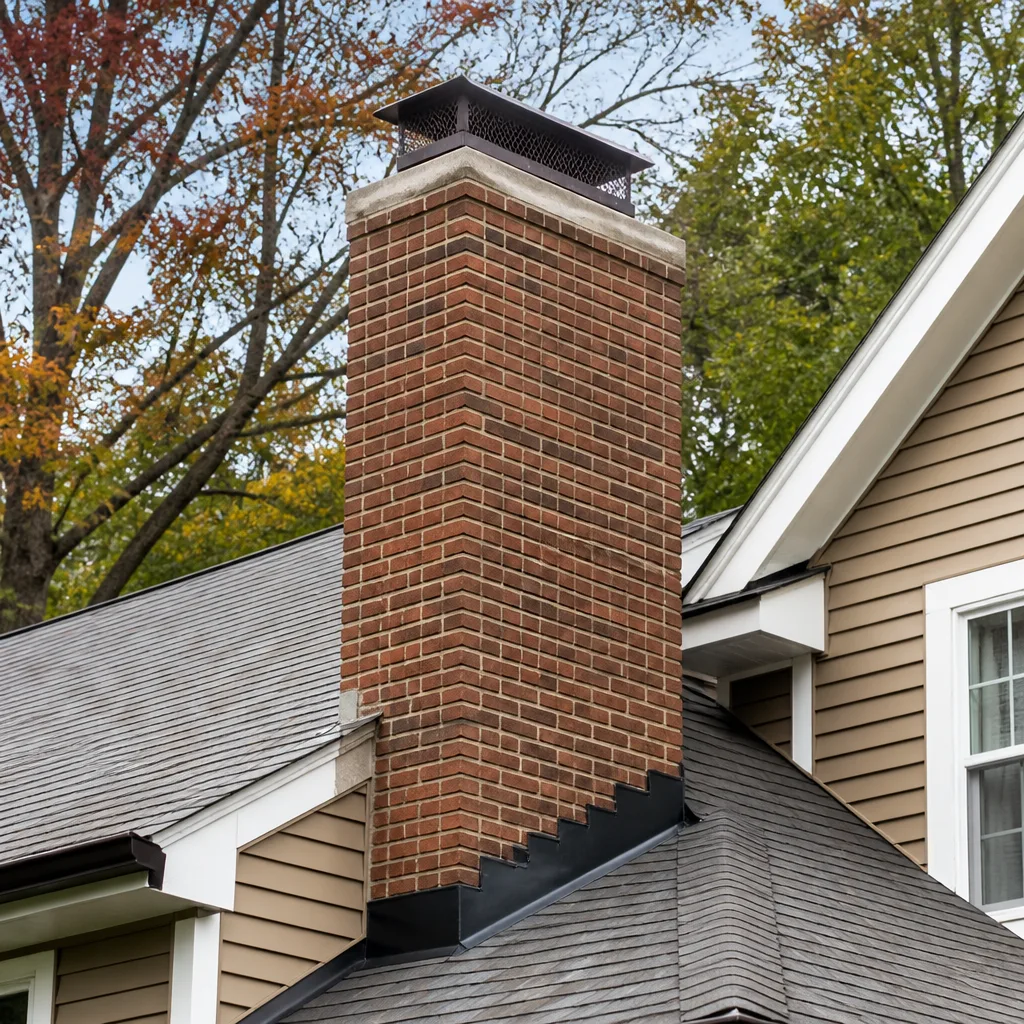
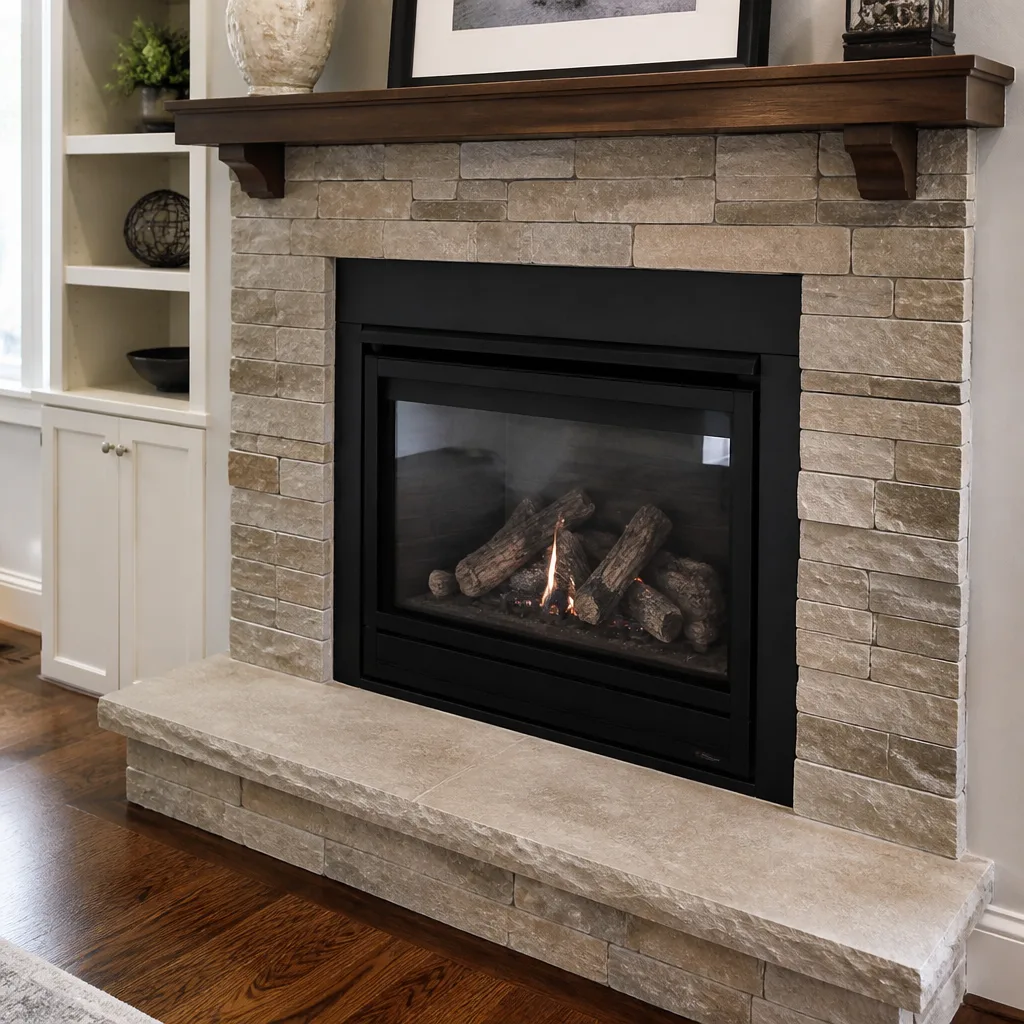
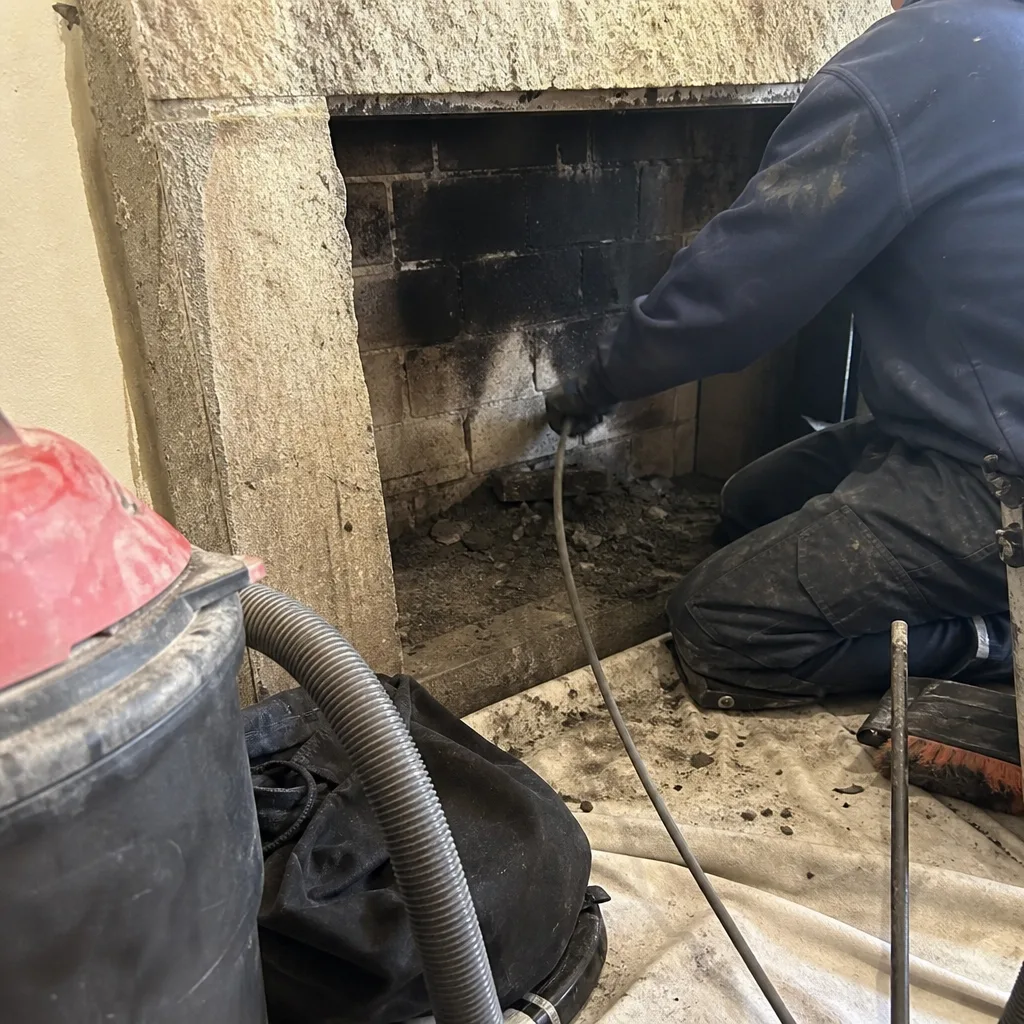 Before
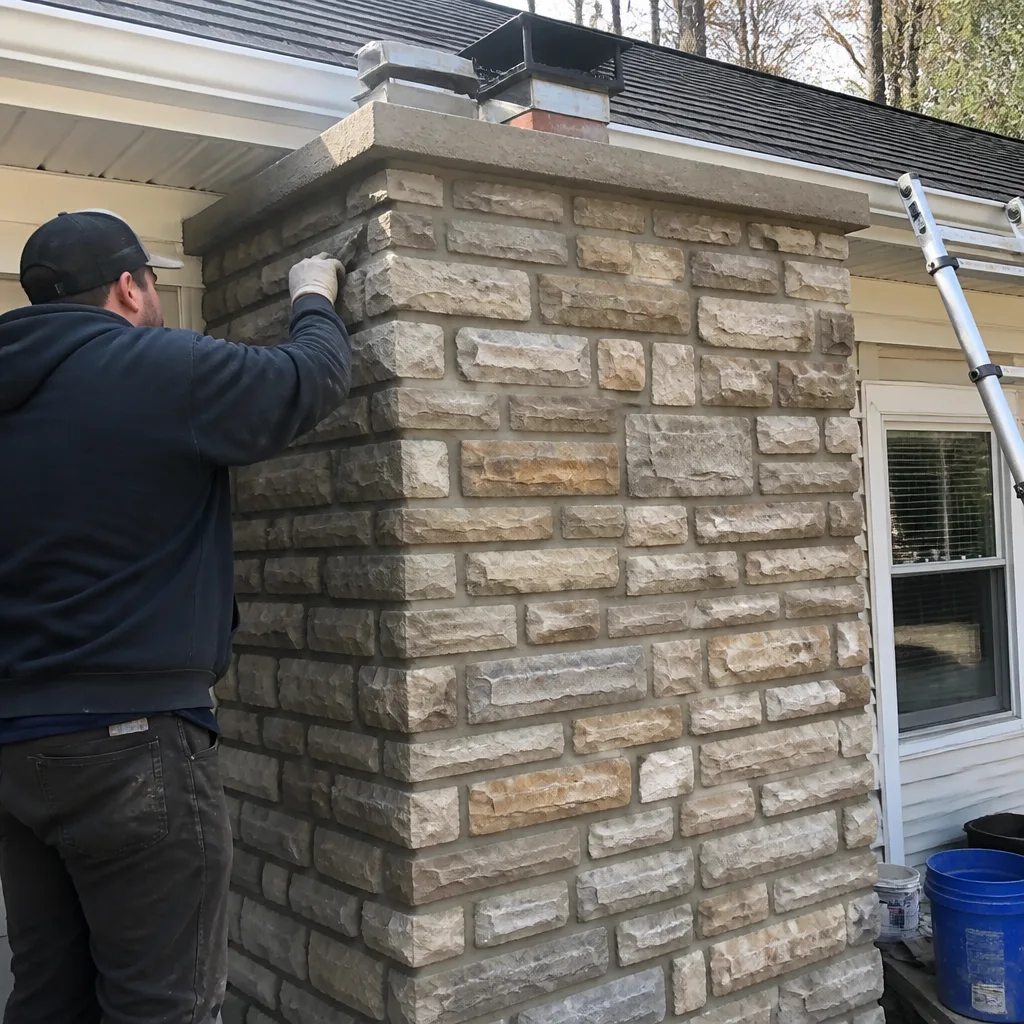 After
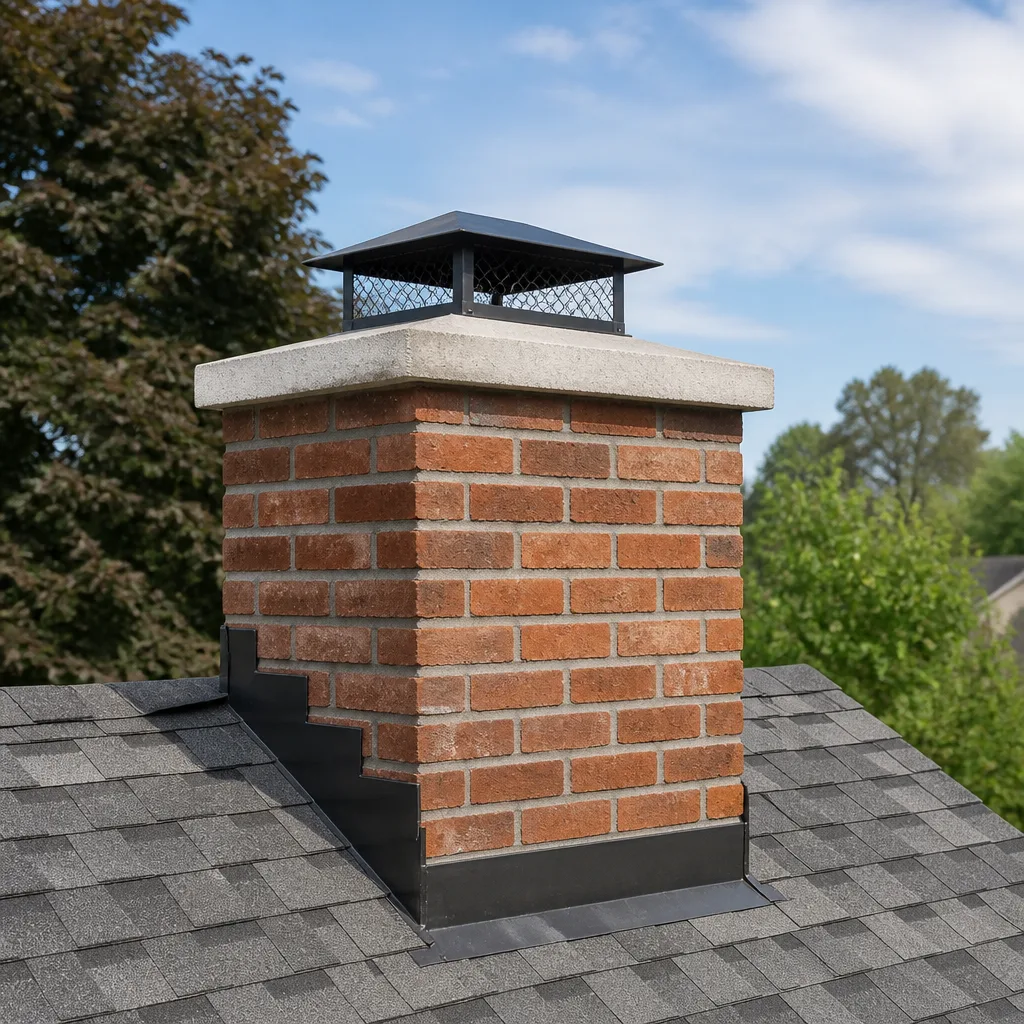
After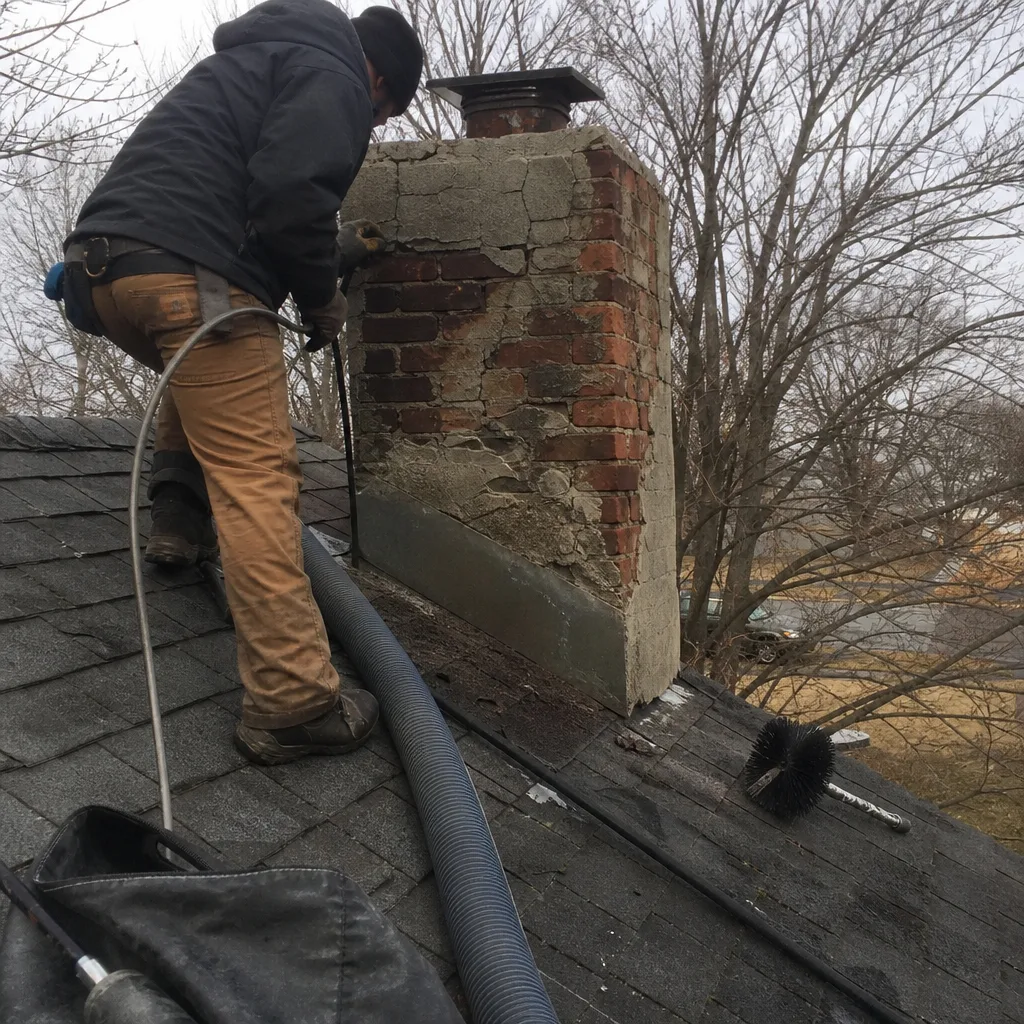 Before
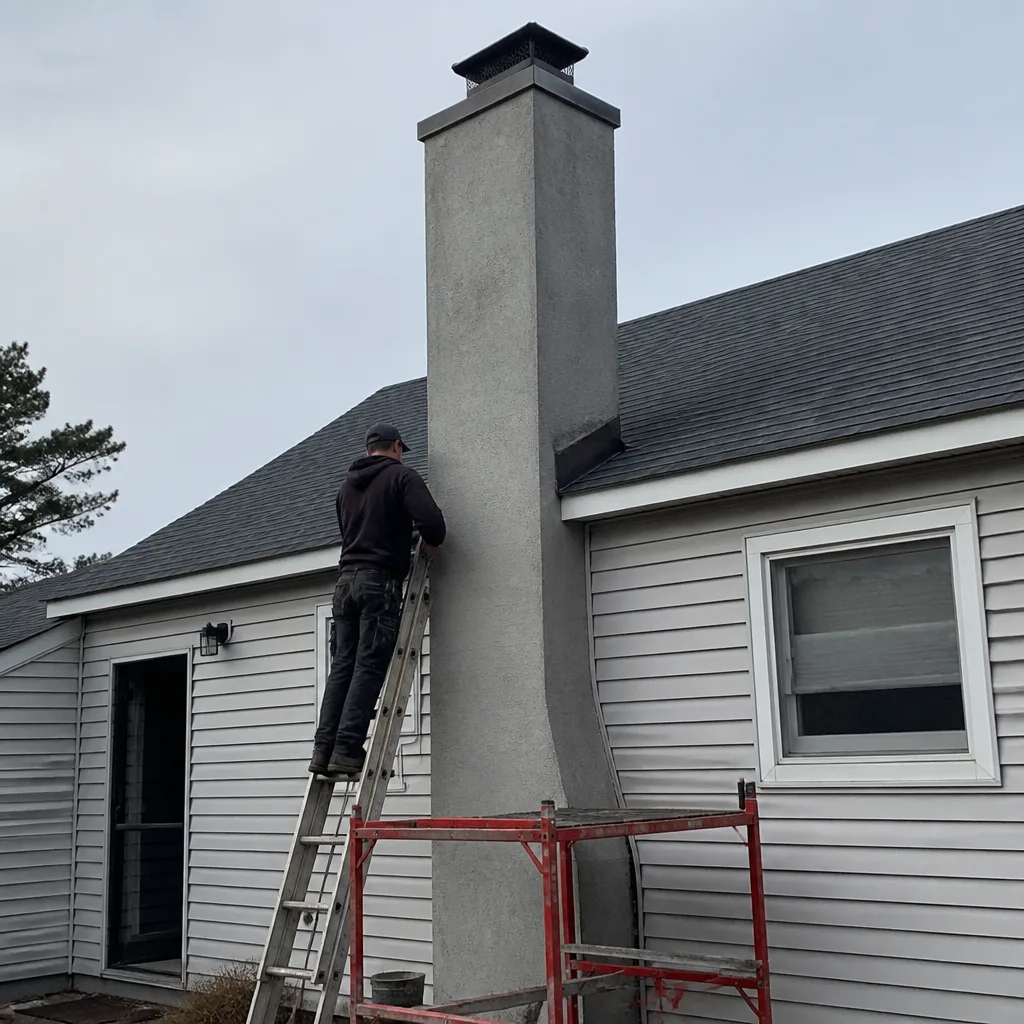 After
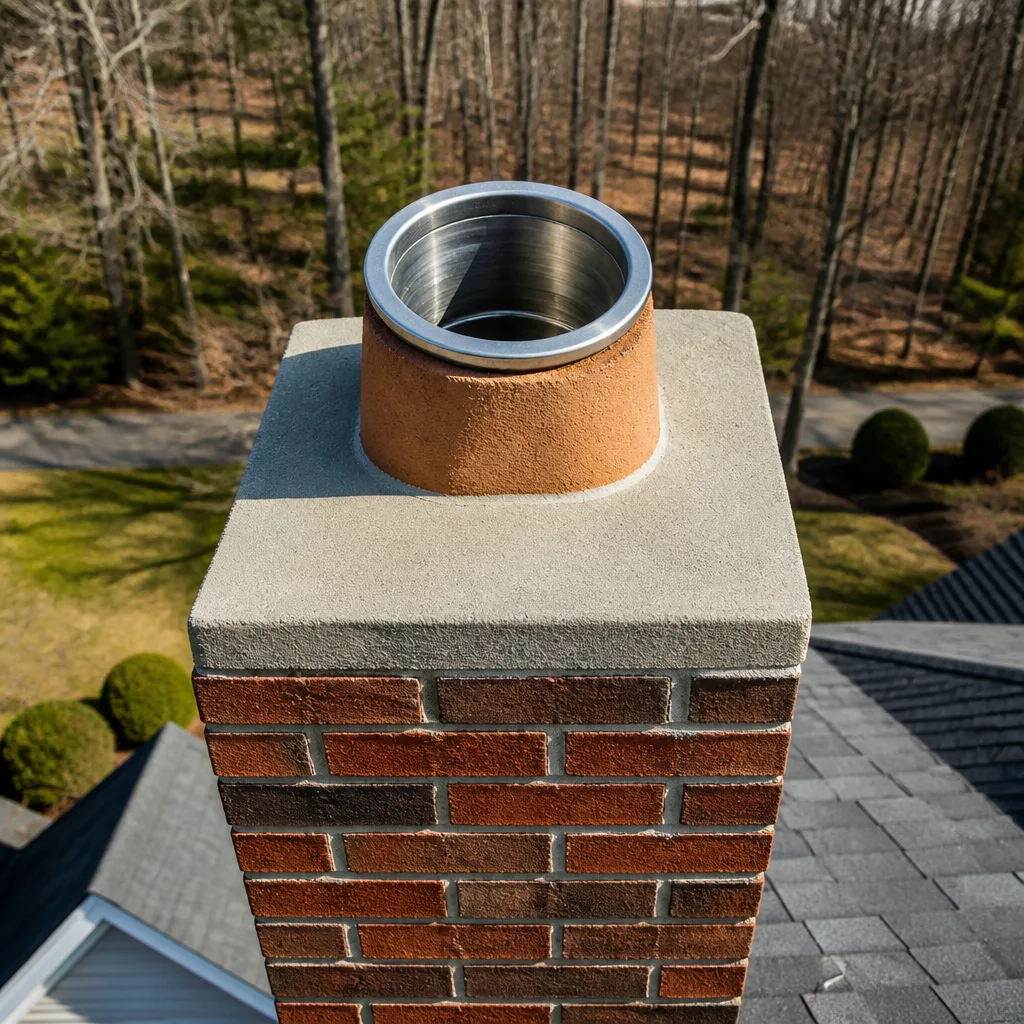
After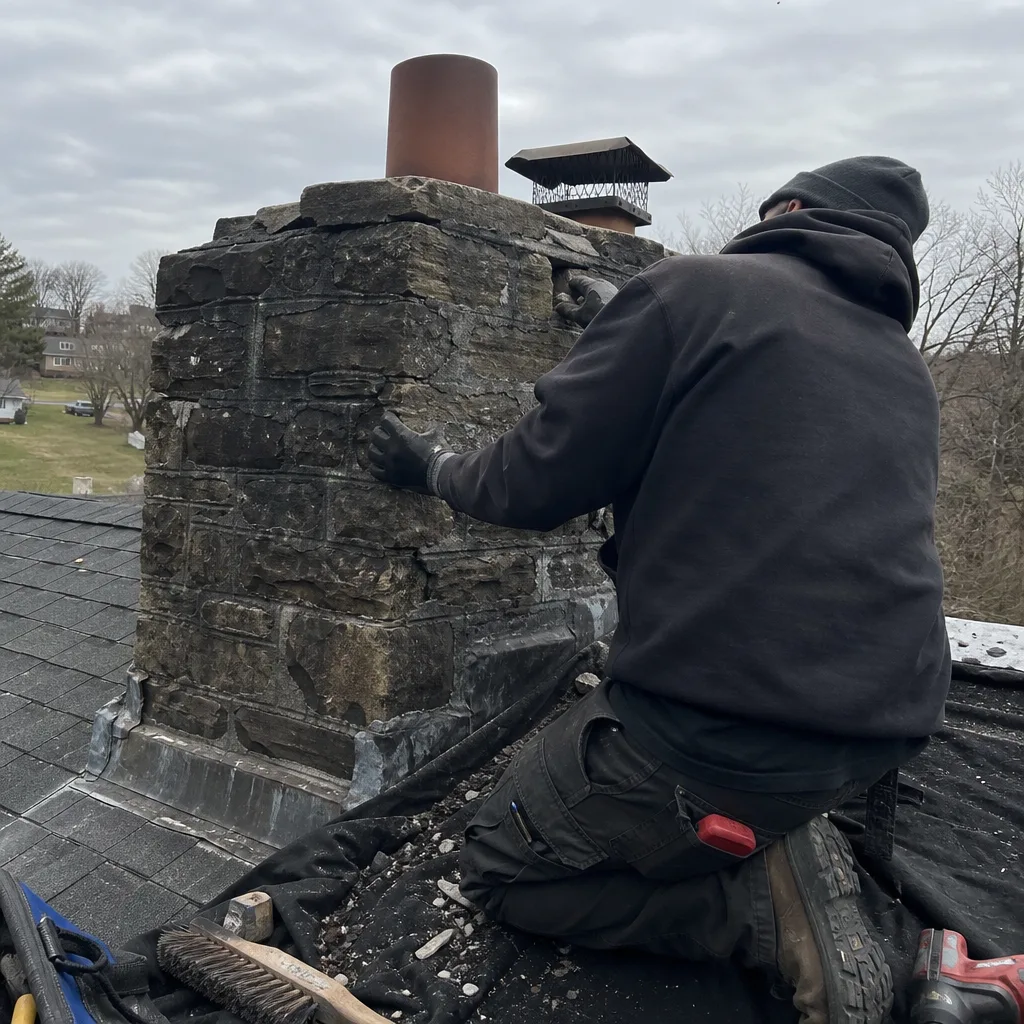 Before
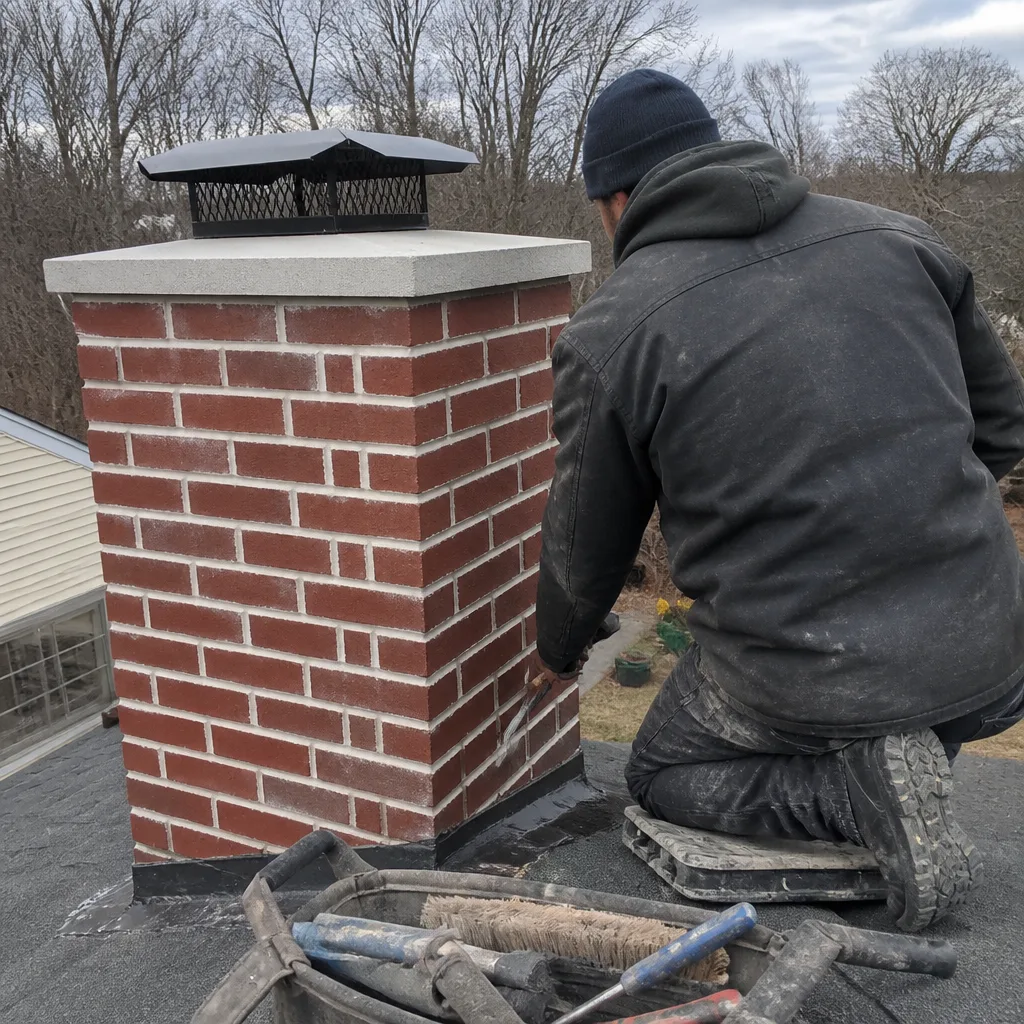 After
AfterFast, Reliable Chimney Liner & Rebuild Across Wind Gap
Chimney liner replacement and chimney rebuilds in Wind Gap typically cost between $1,800 and $4,500 depending on the scope, and most jobs are completed in a single visit after a Level-2 camera inspection. If your chimney was built for coal and now vents an oil or gas appliance, the original flue is almost certainly oversized, unlined, and deteriorating. That’s the situation we find in most pre-WWII and mid-century homes around Wind Gap, from the borough’s west side near Blue Mountain to the older neighborhoods off Route 512.
We dispatch crews to Wind Gap from our Philadelphia office, and we’ve been working on Slate Belt chimneys for over 42 years. The housing stock here is specific - original masonry built for coal burners, converted decades ago to oil or gas, with flues that were never designed for modern appliances. Russell Haines and our team know what to look for, and we don’t quote work without camera evidence you can see for yourself. Call (610) 609-7634 to schedule an inspection.
Why Hearthstone Chimney Co. Is Wind Gap’s Preferred Chimney Liner & Rebuild Company
We’ve been serving the Slate Belt long enough to know the difference between a Bangor chimney and a Wind Gap chimney. The wind gap itself - the actual dry gap in Blue Mountain that gives this borough its name - funnels northwest winds straight through town with a force you don’t see down on the Lehigh Valley floor. That wind drives debris into caps, accelerates freeze-thaw damage on crowns, and creates downdraft problems that technicians in Nazareth simply don’t encounter. Our crews have replaced dozens of liners in Wind Gap homes where the real culprit was wind-driven moisture and debris intrusion that started the deterioration.
Wind Gap customers call us because we document everything. Our Level-2 camera inspections end with photos on a screen you can see, and a plain-English verdict written in terms you understand. No jargon, no scare tactics. The 90-Day Done Right Promise backs every job in writing - if it’s not right, we make it right, no paperwork and no arguing. That’s the Keystone Standard, and it’s governed by our K.E.Y.S. values: Krafted right, Every time, Your home first, Standing behind it.
A live person answers our phones 24 hours a day, 7 days a week. Not voicemail, not a callback queue. Background-checked, uniformed technicians arrive when we say they will, and most liner and rebuild jobs are completed in a single visit with no-hassle upfront pricing. The number on the estimate is the number on the invoice.
Our Chimney Liner & Rebuild Services in Wind Gap
Stainless Steel Liner Installation
Stainless steel liners are our most common solution for Wind Gap’s coal-era chimneys. The original clay-tile flues in these homes were sized for coal appliances that ran hot and drafty. Modern oil and gas furnaces run cooler, and an oversized flue lets exhaust cool too fast before it exits the stack. Condensation soaks the masonry. Creosote builds heavy. Spalling tile drops into the smoke chamber. A properly sized stainless liner - we use DuraFlex and Olympia Chimney products - restores the correct flue diameter for the appliance, contains the exhaust, and protects the surrounding masonry. In Wind Gap, where the extended wood-burning season piles on more creosote than Valley-floor homes, this matters more.
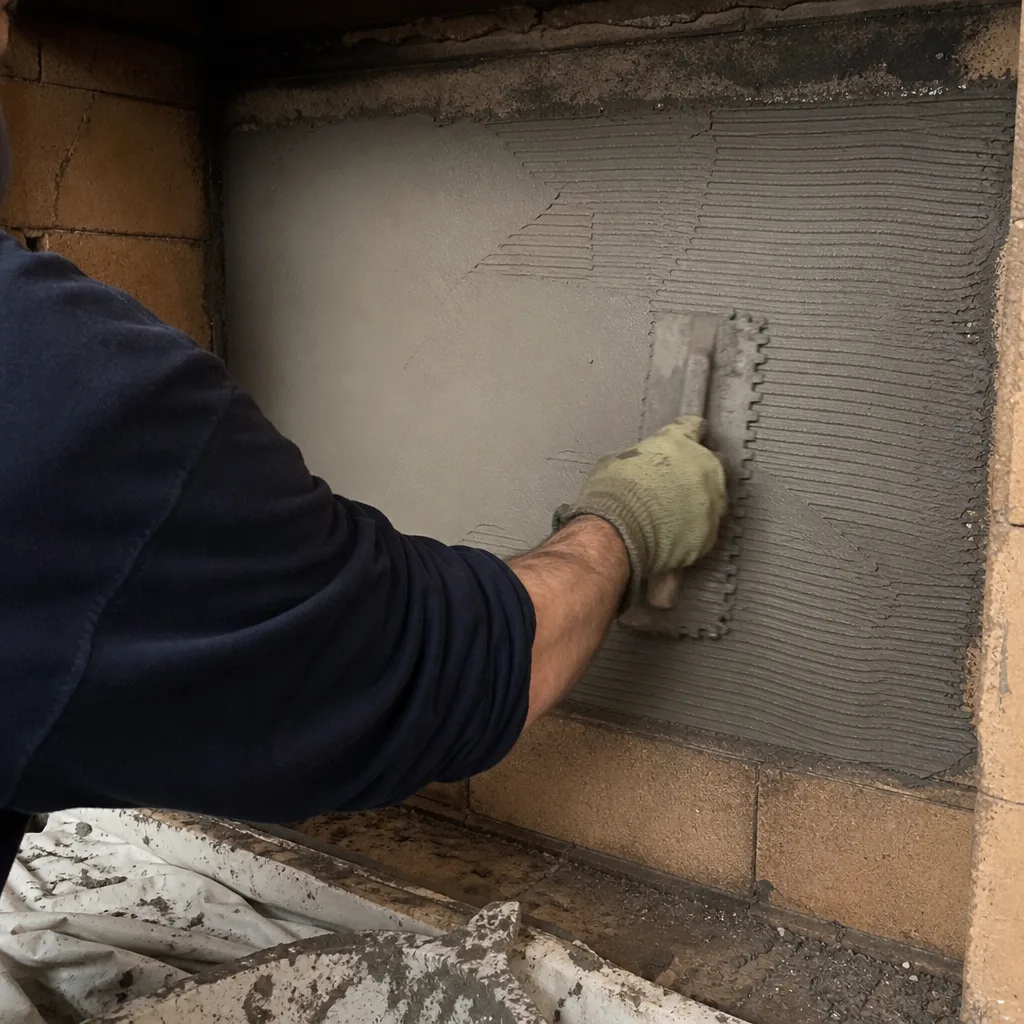
Flexible Liner Installation
Not every chimney in Wind Gap runs straight. The offset flues common in pre-WWII construction need a liner that can navigate bends without tearing or leaving gaps. Flexible liners from DuraFlex handle offsets while maintaining the continuous, sealed airway that rigid pipe cannot. We size them to the appliance, not to the existing flue, because the existing flue is almost always wrong. Our Chimney Liner & Rebuild team has pulled flexible liners through Wind Gap chimneys where the original clay had cracked at the offset and was leaking exhaust into the wall cavity.
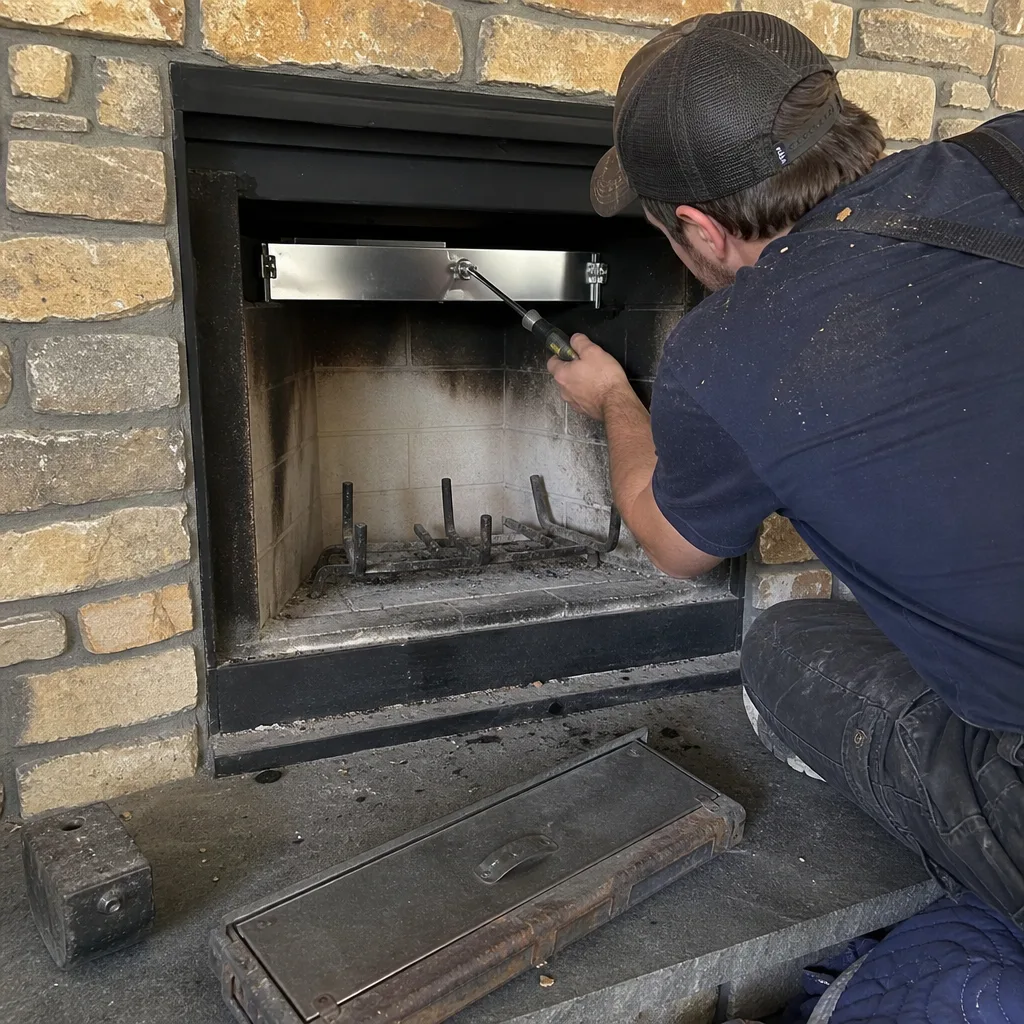
Liner Replacement
Sometimes the liner is already there - aluminum or clay - and it’s failed. Aluminum corrodes. Clay spalls and cracks. In Wind Gap, we see a lot of clay-tile liners that were damaged by chimney fires the homeowner never knew happened, or by decades of condensation from an oversized flue. Liner replacement means pulling the old material, inspecting the surrounding masonry with the camera, and installing a new system sized correctly for what’s actually venting into it. We don’t start until you see the camera footage. That’s the rule.
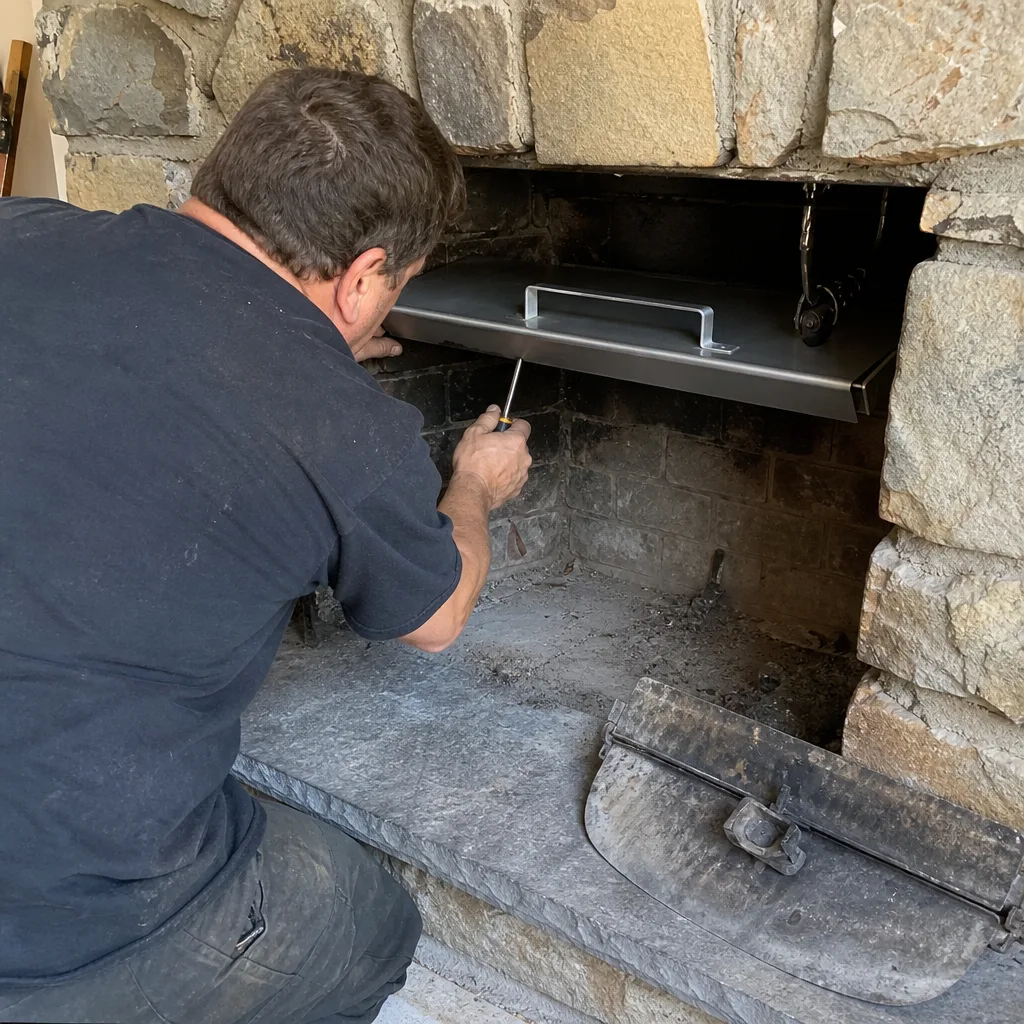
Partial Chimney Rebuild
When the crown, upper courses, or firebox are too far gone for a liner alone, we rebuild what’s necessary and leave what’s sound. In Wind Gap, sitting at the base of Blue Mountain’s north-facing slope, chimney crowns take a beating. Snow load lingers. Freeze-thaw cycles open mortar joints faster than in Bath or Nazareth. We’ve repointed crowns on Wind Gap chimneys where the mortar had turned to sand above the roofline, but the flue itself was salvageable with a new liner. Partial rebuilds save the homeowner from unnecessary work. We only rebuild what the camera proves is failing.
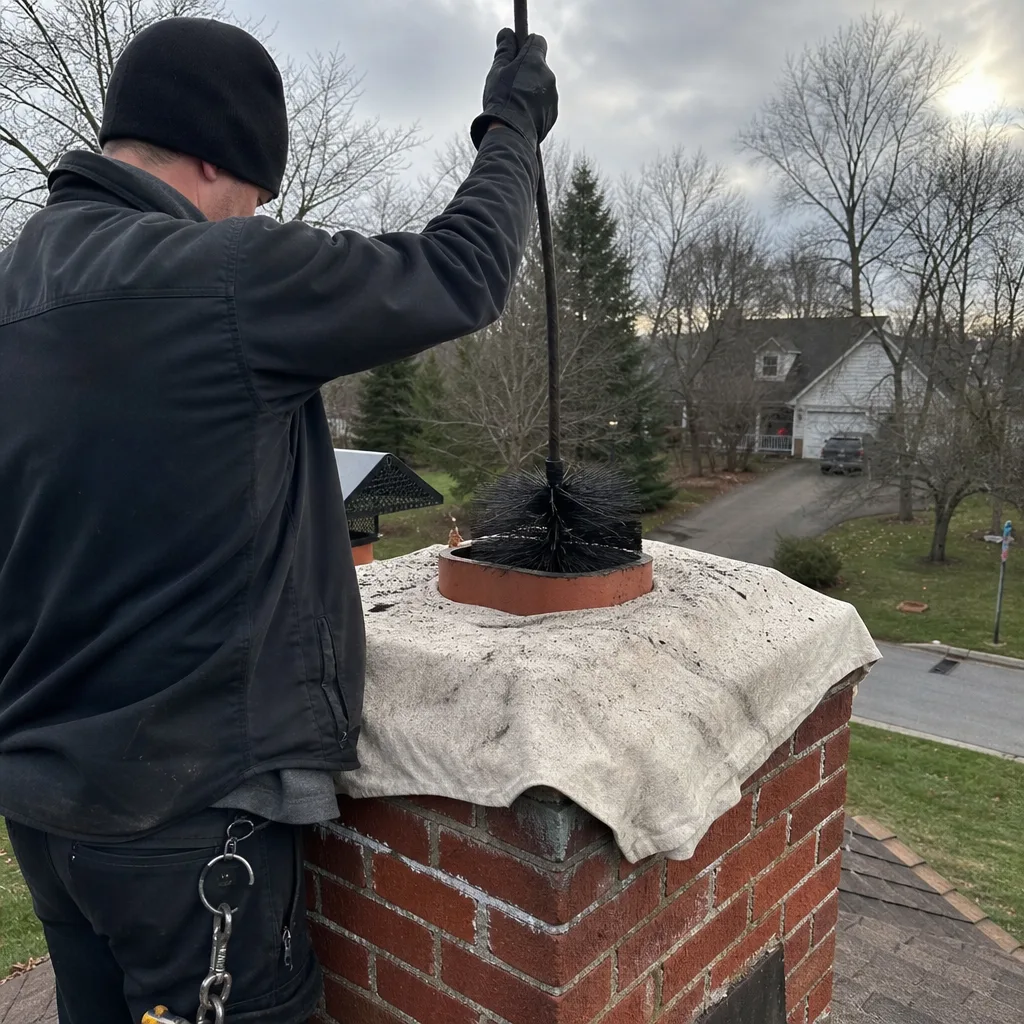
Full Chimney Rebuild
Occasionally the entire structure is compromised - shifted foundation, spalling brick through multiple courses, or a firebox that has separated from the flue. Full rebuilds are rare, and we don’t recommend them lightly. Every course is documented. Every decision is shown on camera before we quote. In 42 years, we’ve learned that most Wind Gap chimneys can be saved with targeted work.
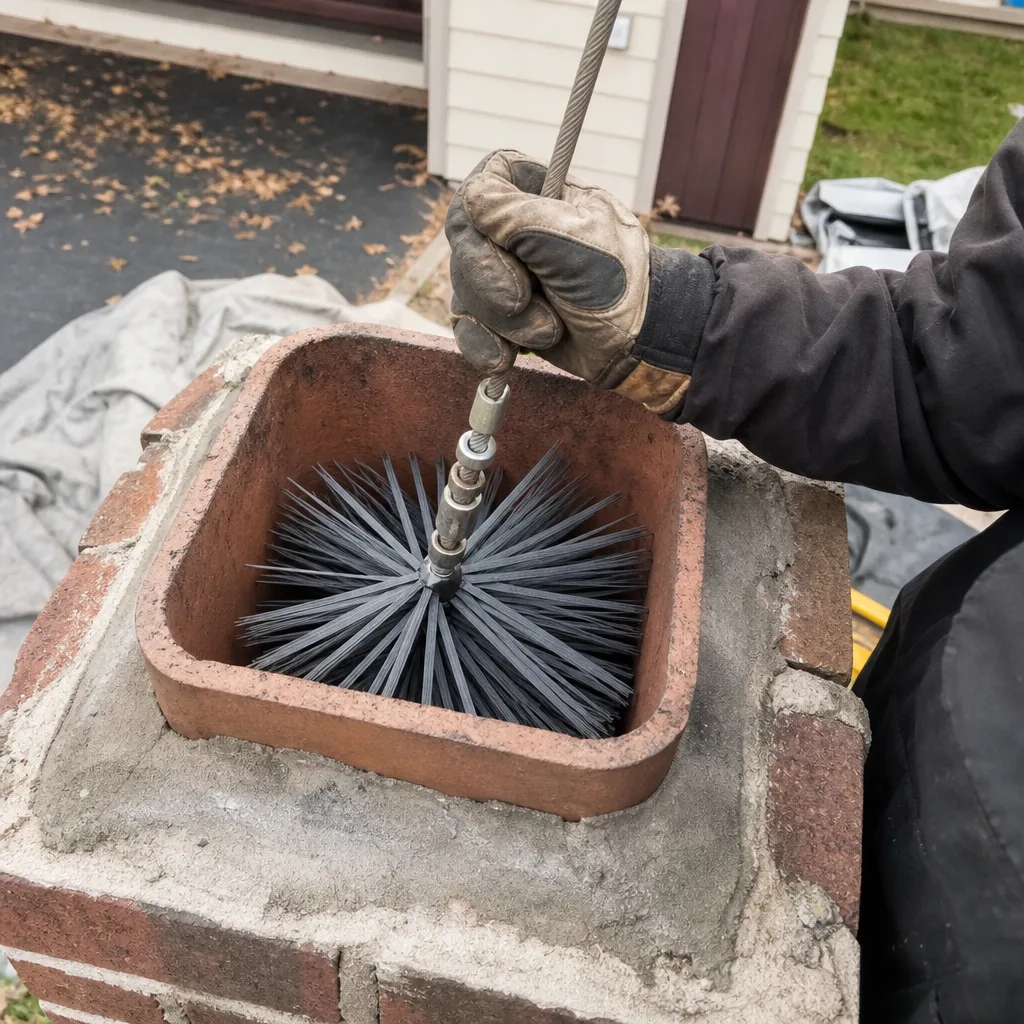
Liner Repair
Minor cracks in an otherwise sound liner can sometimes be addressed with HeatShield cerfractory sealant, restoring a smooth, sealed surface without full replacement. We use this selectively - only where the camera shows localized damage and the surrounding system is sound. It’s not a band-aid for a failed system, but it can extend the life of a good liner when applied correctly.
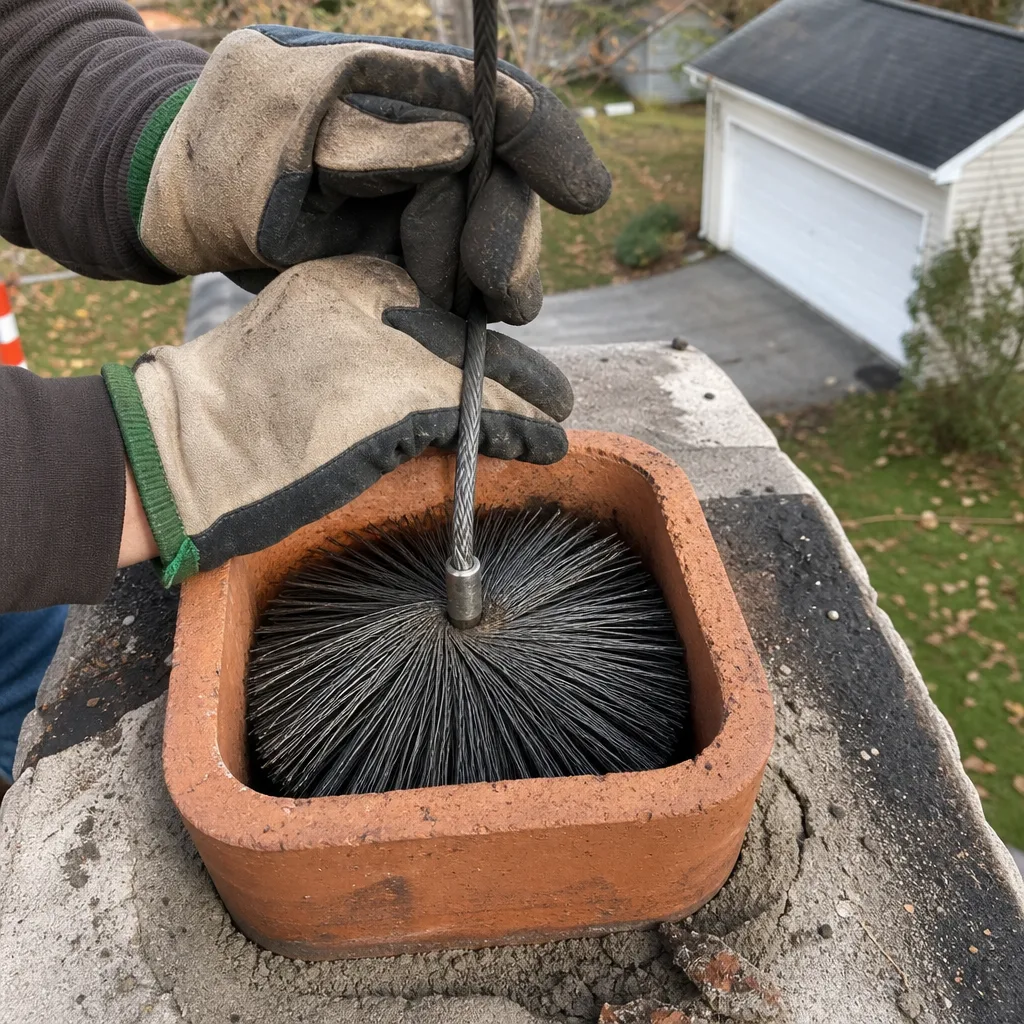
What happens when you call
- 1
A real person answersNo phone trees - you reach a local pro.
- 2
You get an upfront price rangeHonest numbers before anyone is dispatched.
- 3
A background-checked tech heads outLicensed & insured, dispatched right away.
- 4
You approve before work beginsNothing starts until you say go.
Trusted Brands We Service in Wind Gap
We don’t use builder-grade substitutes. Our Wind Gap jobs are built with professional-grade materials from HeatShield, Gelco, and Olympia Chimney - brands that stand up to the specific stresses this climate throws at them. HeatShield’s cerfractory resurfacing handles the thermal cycling of extended burn seasons. Gelco caps and screening resist the wind-driven debris that packs north- and west-facing flues here. We stock common sizes and configurations locally, so most Wind Gap customers aren’t waiting on special orders. When a cap blows off in a March gale or a liner fails mid-season, that turnaround matters.
Common Chimney Liner & Rebuild Problems We See in Wind Gap Homes
- Oversized, unlined coal-era flues converted to oil or gas. The exhaust cools before it exits, condensation soaks the masonry, and heavy creosote builds up while spalling tile drops into the smoke chamber. We see this in most pre-WWII homes near the borough’s west side and along the older streets off Route 512.
- Wind-driven debris packing chimney caps on north- and west-facing flues. Because the wind gap funnels northwest air straight through Wind Gap, chimney caps here pack with Blue Mountain pine needles and leaf debris even when the cap looks intact from the ground. This failure mode barely shows up in Bangor or Pen Argyl a few miles away. The blockage restricts draft and accelerates liner deterioration from moisture retention.
- Freeze-thaw damage on chimney crowns accelerated by ridge-top snow load. Wind Gap accumulates more snow on north-facing slopes than Valley-floor towns, and the freeze-thaw cycles open mortar joints faster. By early spring, we’ve repointed dozens of crowns where water has already started infiltrating the flue enclosure.
- Third-degree creosote glaze from extended wood-burning seasons. The elevation and ridge proximity here extend the active burning season, and heavy glazed creosote cannot be brushed out. It has to be removed chemically or the flue must be relined. We’ve pulled liners in Wind Gap where the glaze was a quarter-inch thick.
Pricing for Chimney Liner & Rebuild in Wind Gap, PA
Here is what chimney liner and rebuild work typically runs in the Wind Gap market:
| Service | Typical Range in Wind Gap |
|---|---|
| Stainless steel liner installation (standard flue) | $1,800 - $2,800 |
| Flexible liner with offsets | $2,200 - $3,400 |
| Liner replacement (remove and replace existing) | $2,000 - $3,200 |
| Partial rebuild (crown, upper courses, repointing) | $1,500 - $3,500 |
| Full chimney rebuild | $4,000 - $8,500+ |
| HeatShield liner repair (localized) | $800 - $1,400 |
What moves the number: flue height, number of offsets, accessibility (slate roofs require extra care), and whether the crown or firebox needs work too. We don’t guess. Every quote follows a Level-2 camera inspection with photos you can see, and the price we give is the price on the invoice. No surprises. We also offer $50 off any repair over $250, a free second opinion on any written estimate, and a permanent 5% senior and veteran discount. Call (610) 609-7634 for a free estimate - we’ll inspect first, then talk numbers.
We Also Serve Cities Near Wind Gap
Our crews work throughout the Slate Belt and Lehigh Valley. If you’re in Wind Gap or nearby - Pen Argyl, Nazareth, Bath, or Bangor - we cover your area with the same scheduling priority and local knowledge. Each town has its own chimney character, from Bangor’s similar slate-belt stock to Nazareth’s mix of older and newer construction, and we adjust our approach accordingly.
Serving Wind Gap, PA - Our Local Coverage Area
We’re based in the Wind Gap area and know this community well. Use the map below to see our service coverage - if you’re nearby, we can almost certainly help.
FAQs - Chimney Liner & Rebuild in Wind Gap
A Level-2 camera inspection will show whether your flue is cracked, spalling, oversized for the appliance, or coated with glazed creosote that brushing cannot remove. In Wind Gap, most pre-WWII and mid-century chimneys were built for coal and converted to oil or gas, leaving an unlined or clay-tile flue that is almost always too large for modern appliances. If the camera shows sound clay in a properly sized flue, a cleaning may suffice. If it shows spalling, gaps, or glaze, a liner is the fix. Call (610) 609-7634 to schedule an inspection - estimates are free.
The wind gap in Blue Mountain funnels northwest winds directly through Wind Gap with unusual force, driving debris from the mountain slope into north- and west-facing flues even when the cap appears intact from the ground. This is a geographic failure mode that technicians in Easton or Nazareth rarely see. We install debris-resistant screening and inspect cap fit specifically for this wind exposure. If your cap is clogging repeatedly, the solution is usually better screening or a cap redesign, not just another cleaning.
Probably not, and a camera inspection will show why. Coal flues were oversized and run hot; modern oil furnaces run cooler, and an oversized flue lets exhaust cool too fast, causing condensation and creosote buildup that deteriorates masonry from the inside. We regularly find this exact situation in Wind Gap’s older neighborhoods. The original flue is not necessarily structurally unsound, but it is almost certainly wrong for the appliance now venting into it. A stainless liner sized to the furnace is the standard fix.
You’ll see open mortar joints, crumbling or missing mortar between bricks, and sometimes hairline cracks in the concrete crown itself. In Wind Gap, where north-facing slopes hold snow load longer than Valley-floor towns, the damage accelerates through late winter. Water enters the cracks, freezes overnight, and wedges the masonry apart. By March, a crown that looked sound in October can be letting water straight into the flue enclosure. We document this with camera footage and photos you can see before quoting any rebuild work.
Yes, especially in Wind Gap. Even minimal burning in an unlined or oversized flue can allow condensation and creosote to accumulate, and the wind-driven debris that packs your cap can block draft entirely. Oil and gas appliances also produce acidic condensation that attacks masonry year-round, not just during burning season. An annual Level-2 inspection catches liner deterioration, cap blockage, and crown damage before they become expensive rebuilds. Call (610) 609-7634 to schedule - the inspection itself is the best value we offer.
Ready to know exactly what your chimney needs? Call Hearthstone Chimney Co. at (610) 609-7634 for a free estimate. We’ll run the camera, show you the footage, and give you a plain-English verdict with upfront pricing. No scare tactics. No work recommended without evidence you can see. Done right - and we stand behind it.
Written by Russell Haines, Owner at Hearthstone Chimney Co., serving Wind Gap and the Slate Belt since 1984.