
Last updated September 10, 2026
Level 1 sweep and inspection to the NFPA 211 annual standard - flue, crown, cap, and flashing checked and photographed
Chimney sweep logs do not sweep chimneys. They loosen some creosote - which then falls where a brush and vacuum still have to collect it.
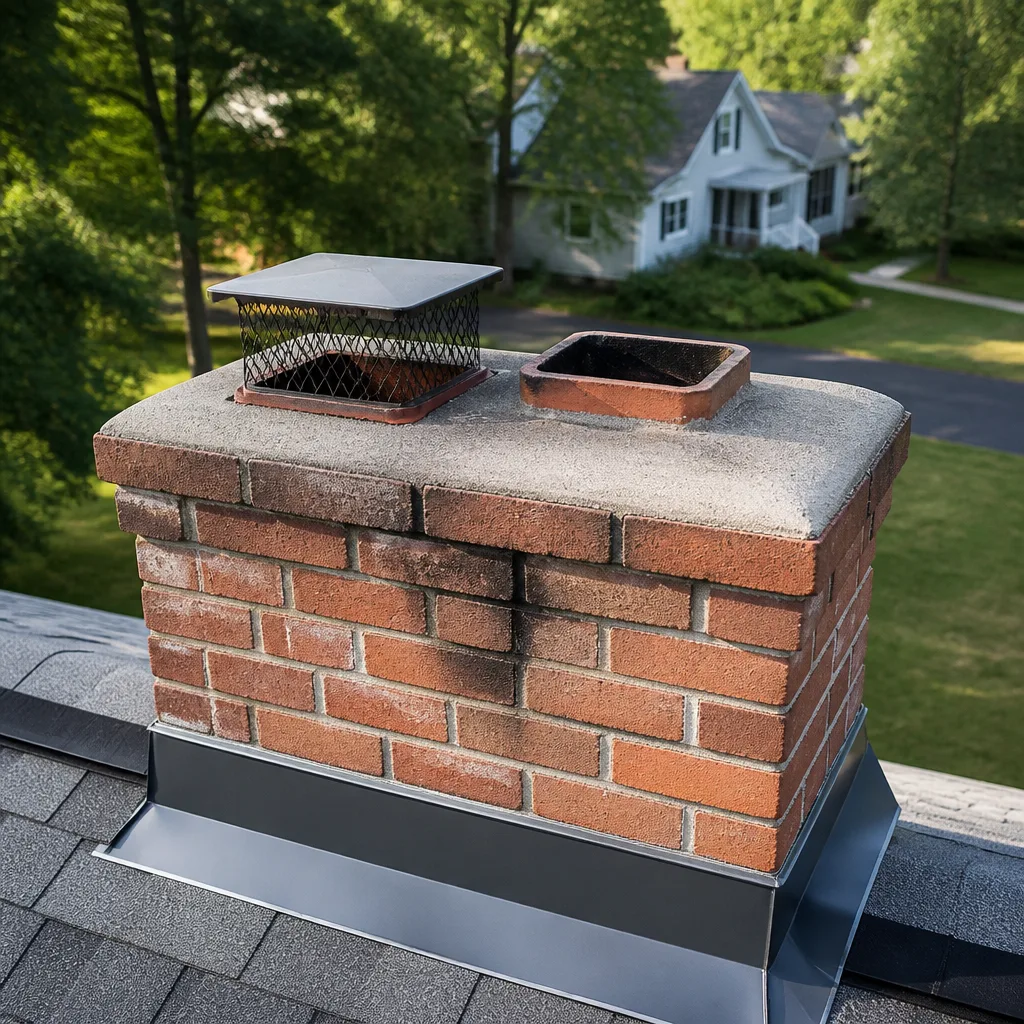
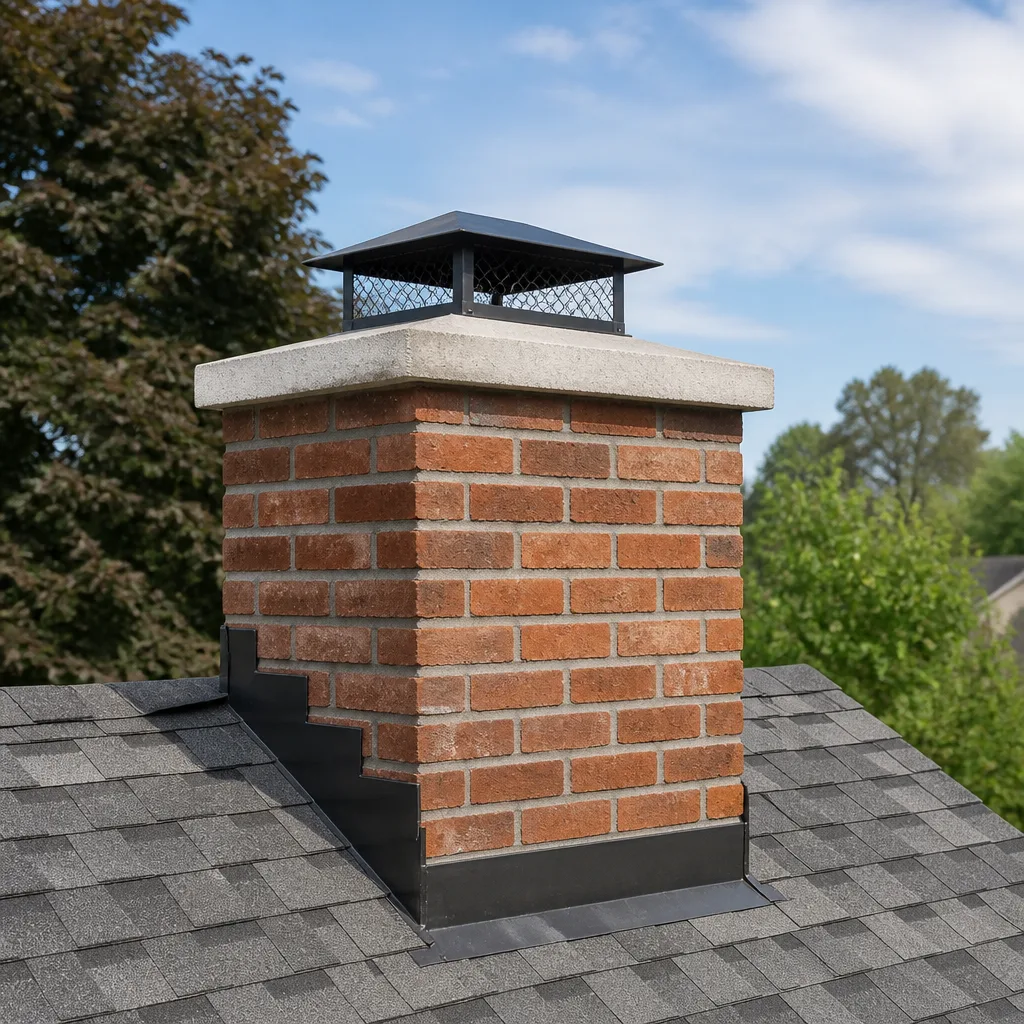
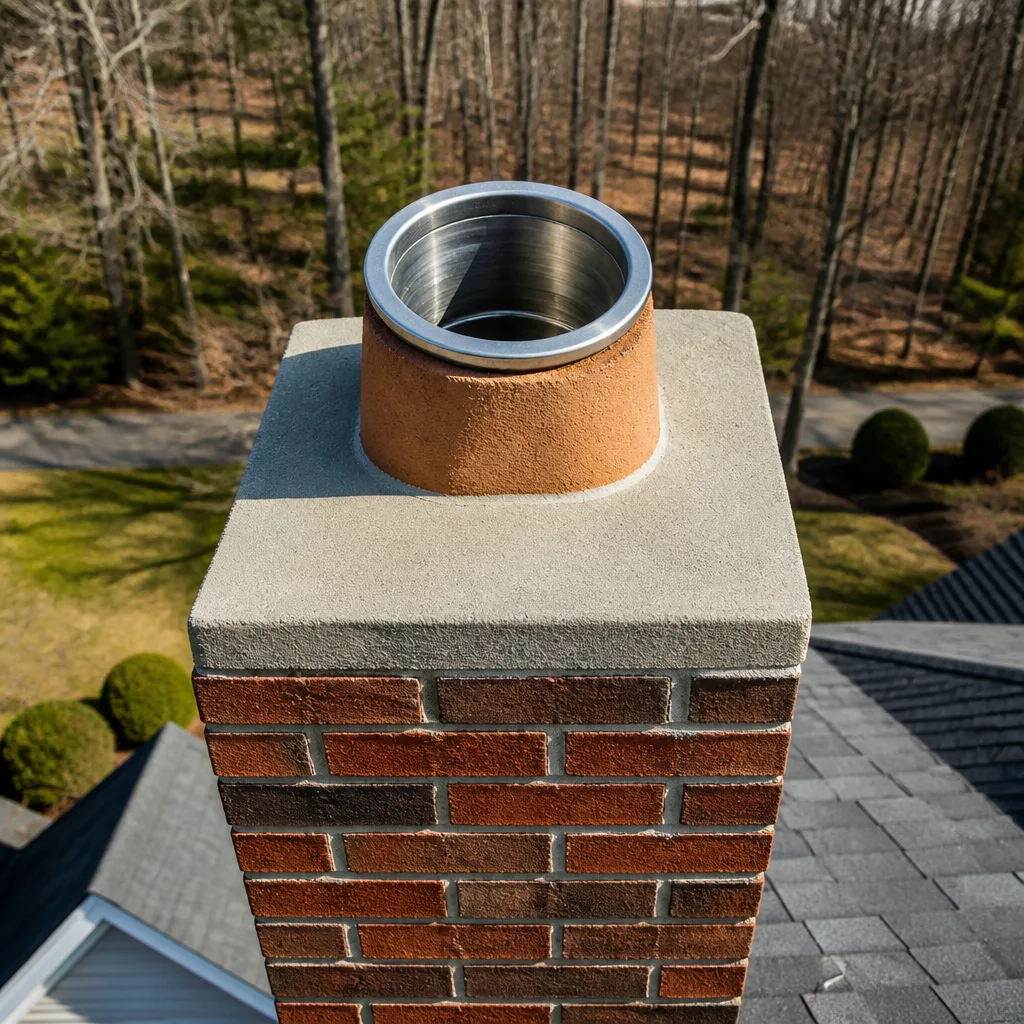
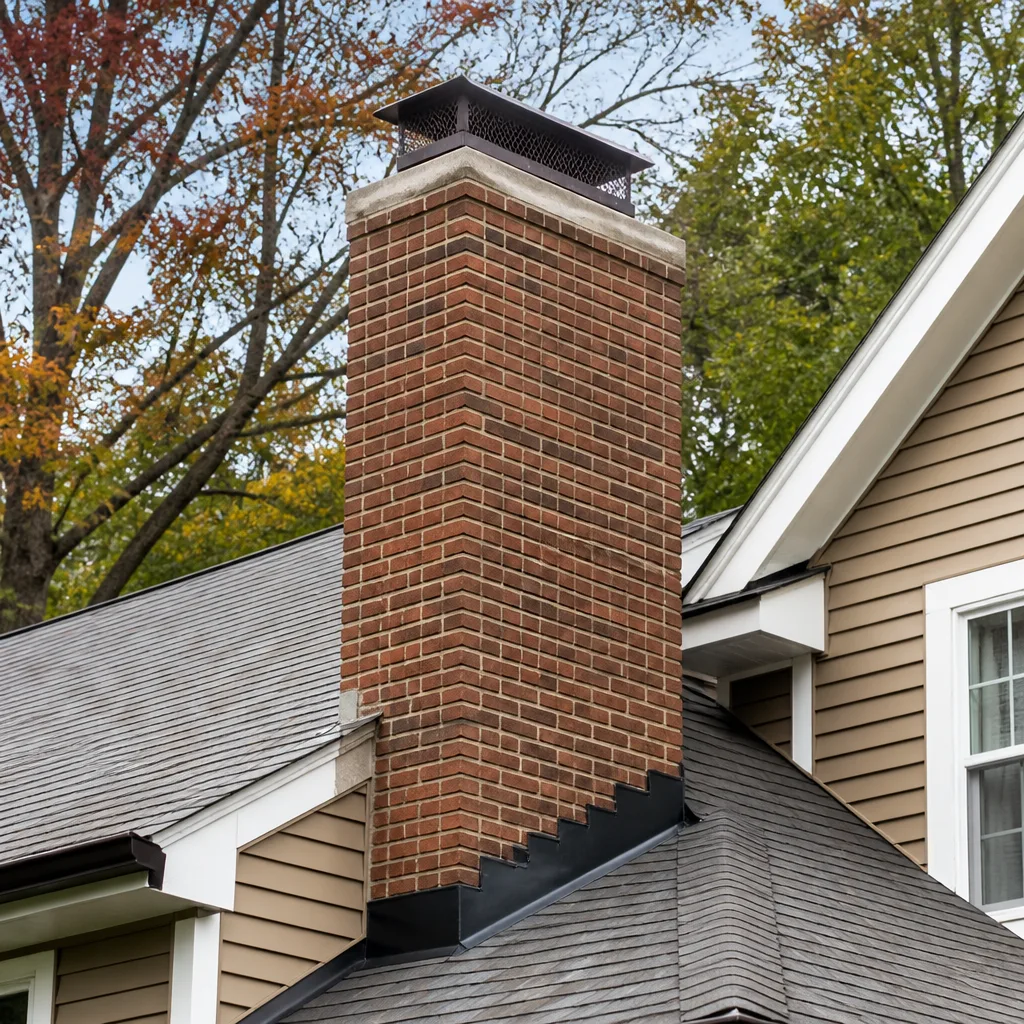
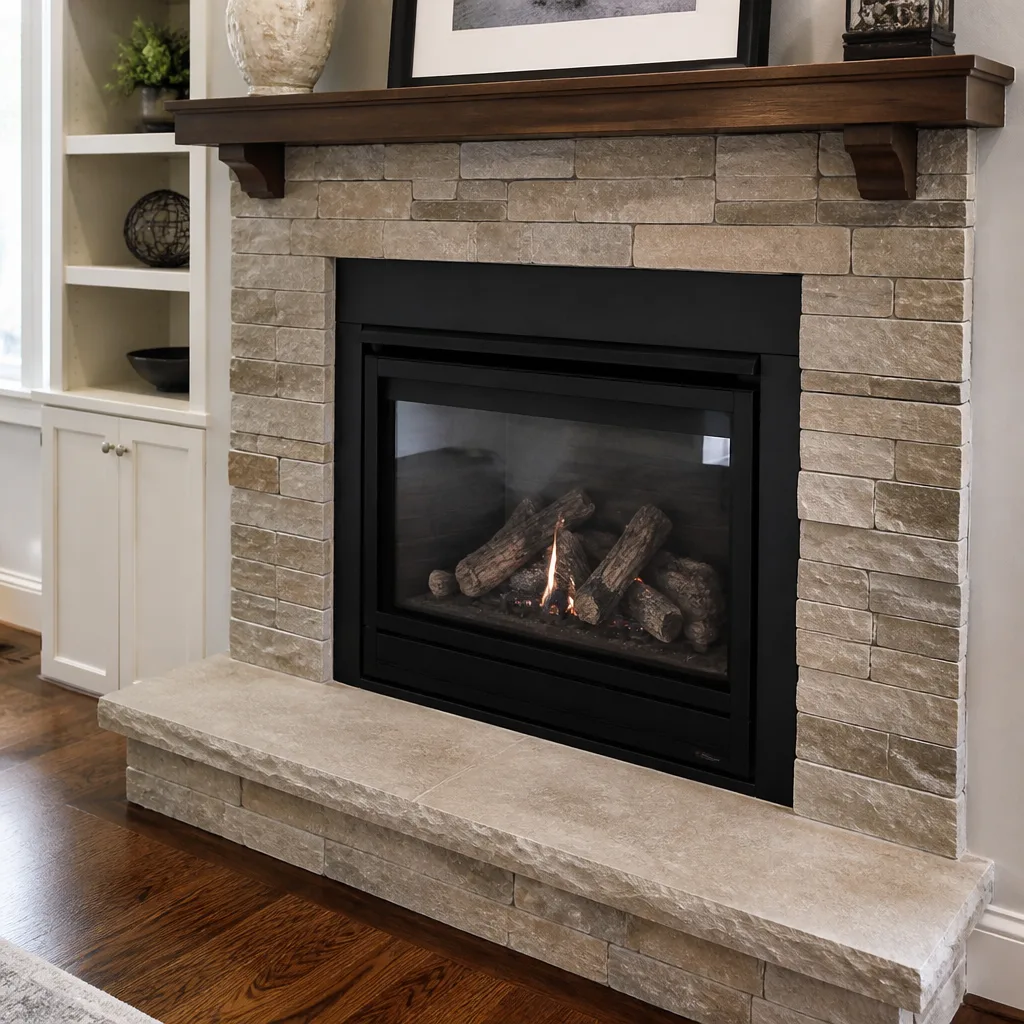
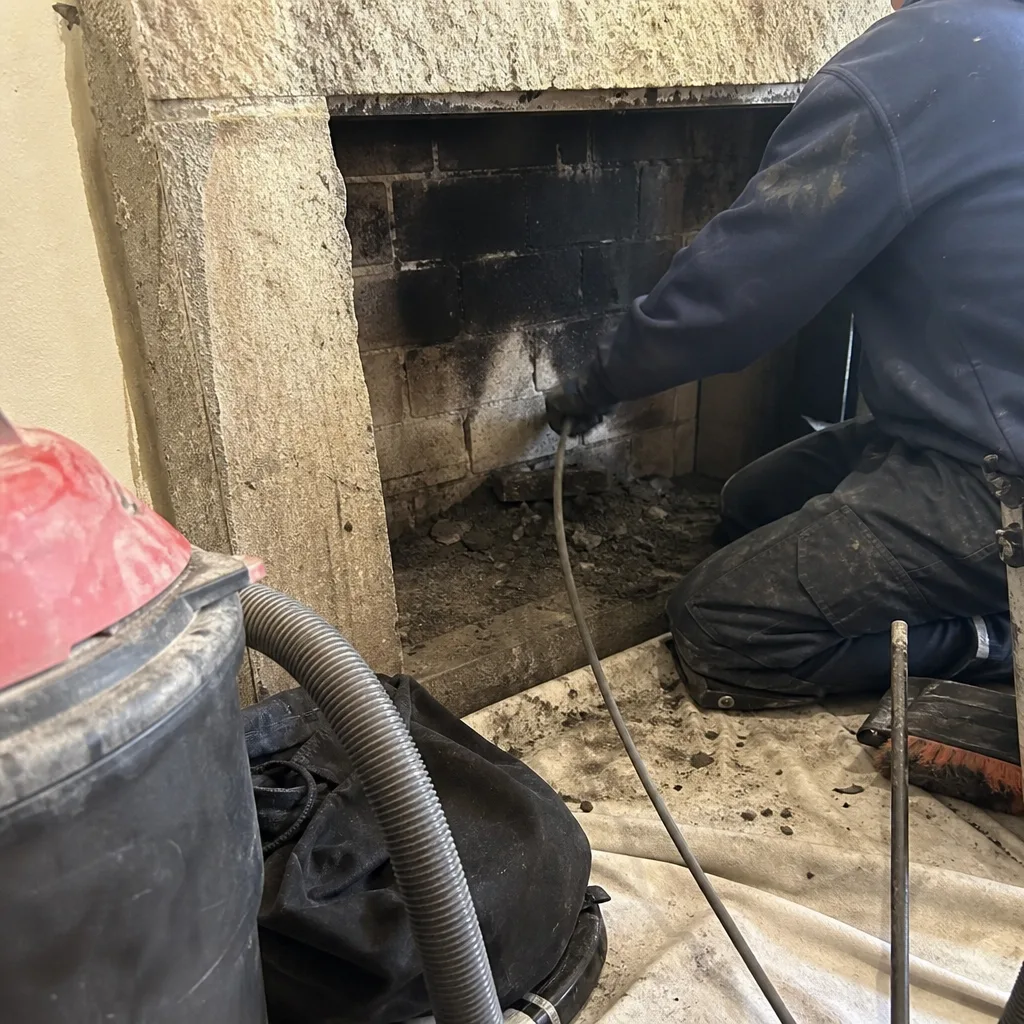 Before
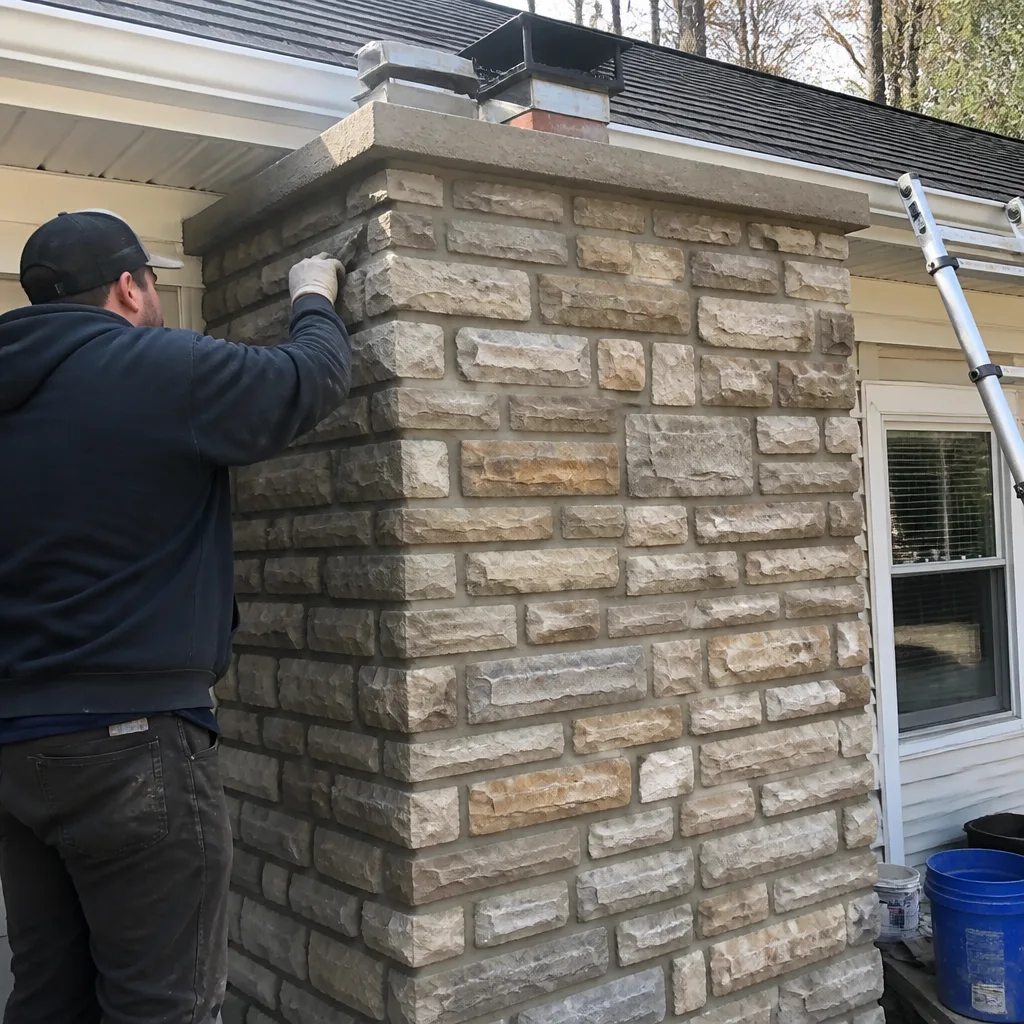 After
After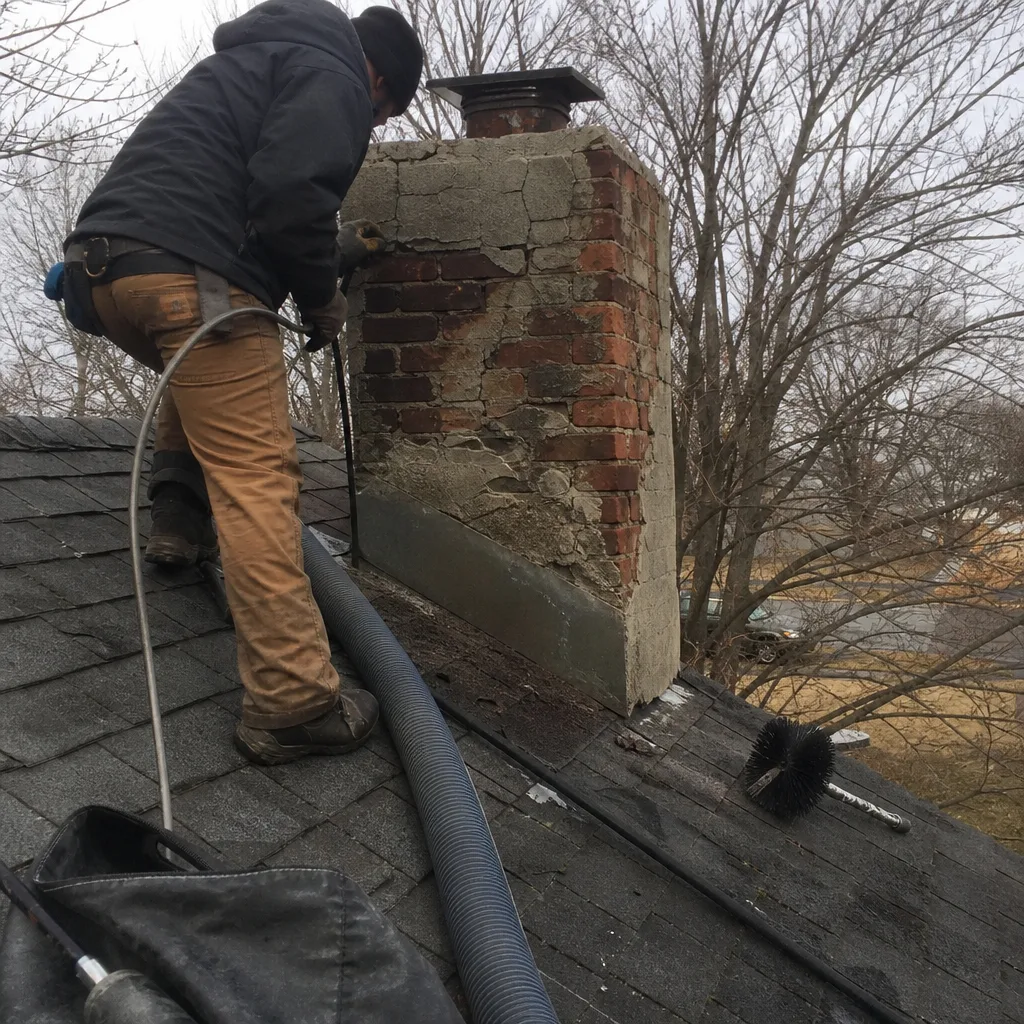 Before
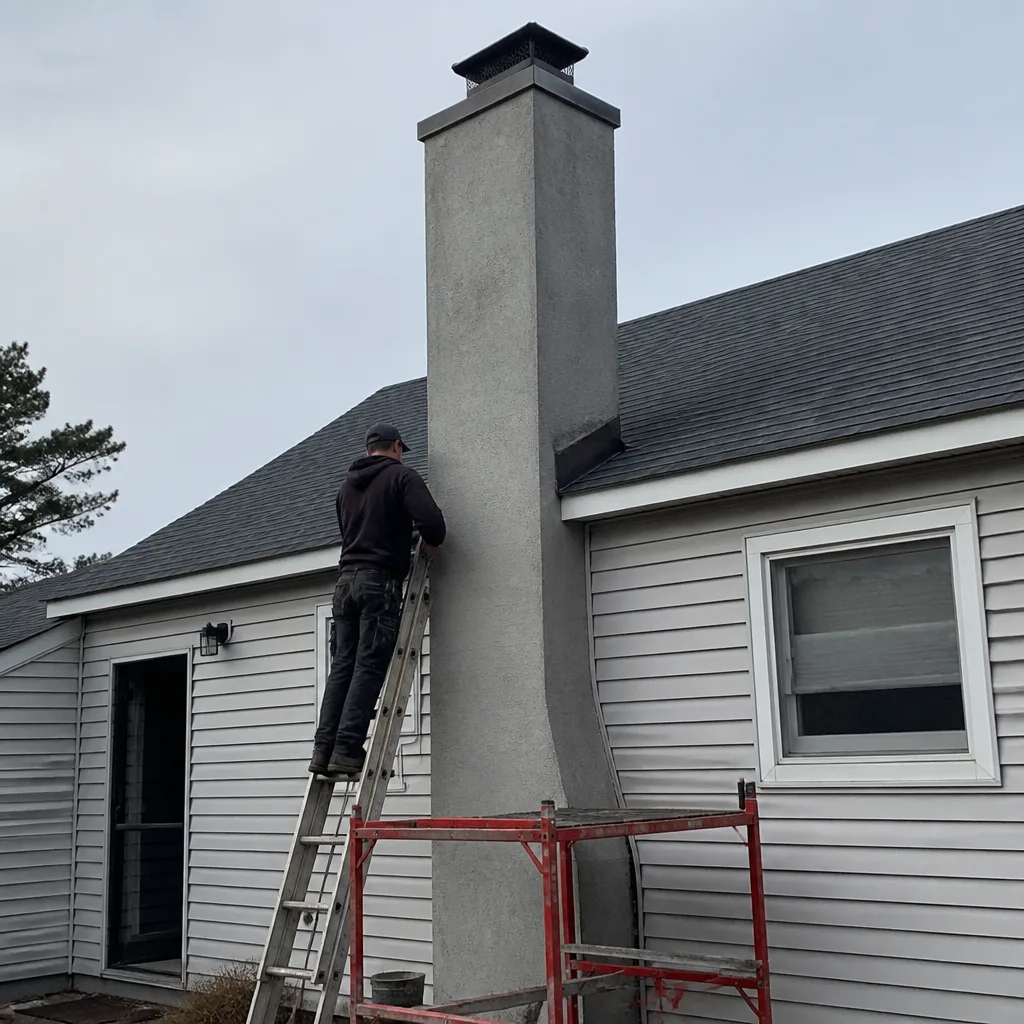 After
After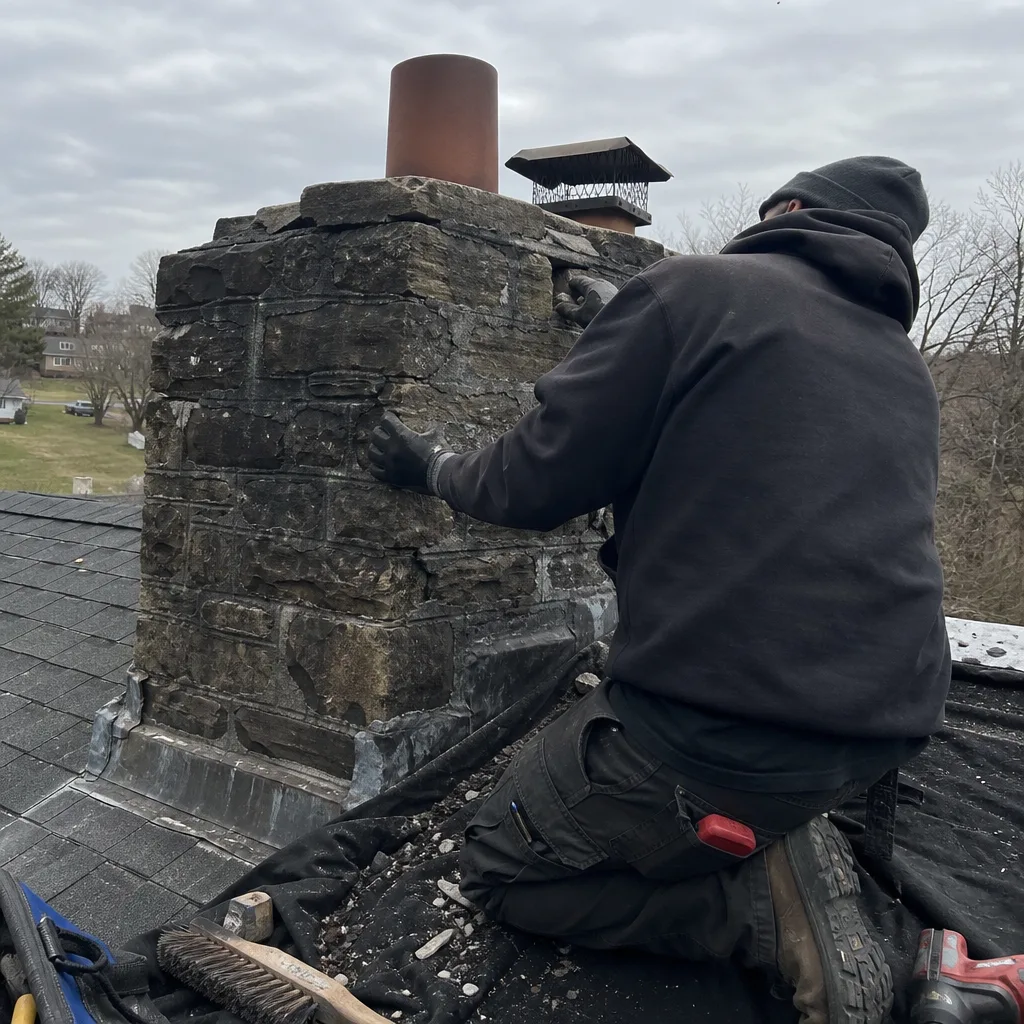 Before
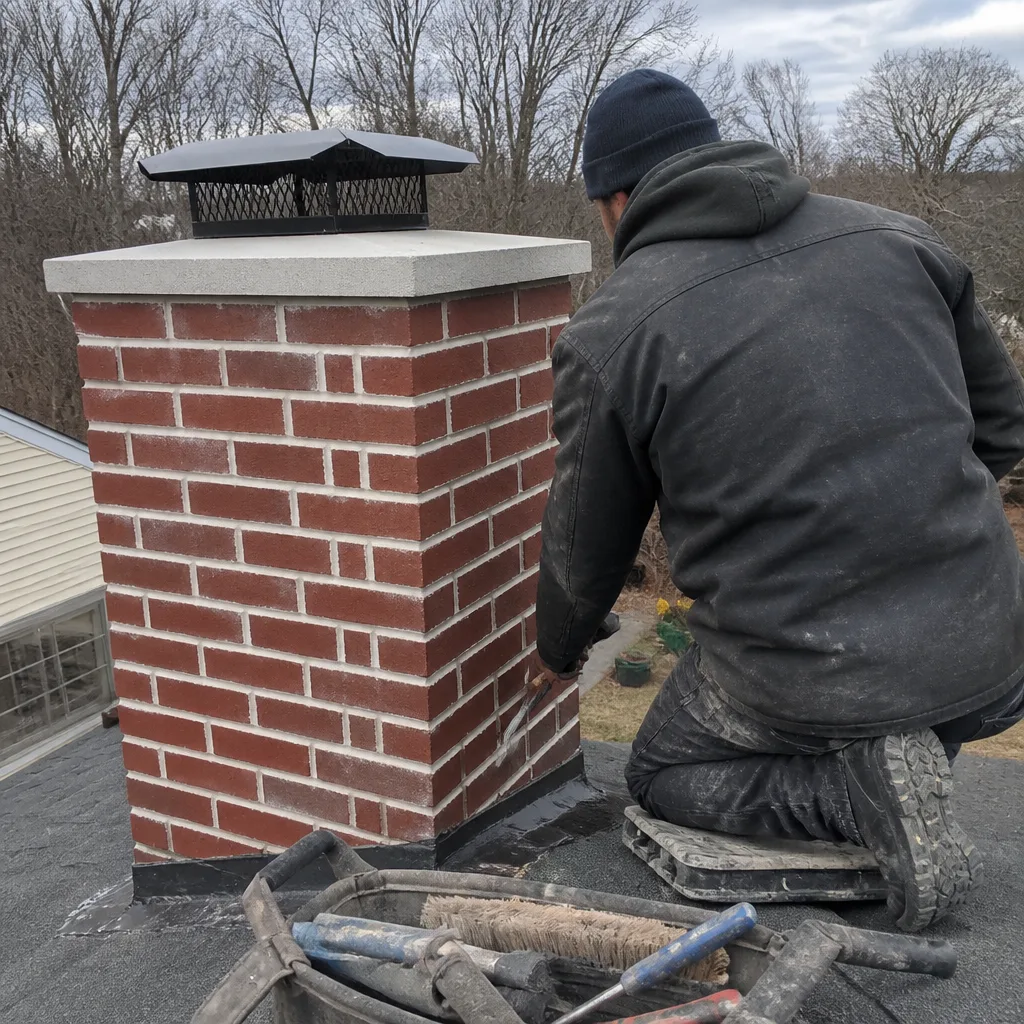 After
AfterChimney Cleaning Permits, Codes & Inspections in PA: What You Need to Know
Here is a truth that has cost Pennsylvania homeowners real money: chimney cleaning itself never requires a permit, but the moment a cleaning reveals damage and a contractor performs repairs without pulling the proper permits, the homeowner owns that liability forever. In Bangor and across Carbon County, we have seen cracked liners replaced in a single afternoon, cap installations done over a weekend, and partial rebuilds finished before the homeowner knew a permit was even a question. Three years later, at the closing table, the buyer’s inspector finds no record of the work. The sale stalls. The homeowner pays for retroactive permits, fines, or worse, tears out compliant work to prove it was done to code. This guide-along with our Complete Guide to Chimney Cleaning in Bangor-maps exactly where Pennsylvania’s permit line falls for chimney work, how to verify your own chimney’s permit history, and why documentation matters for your insurance, your safety, and your property value.
Quick Answer
Chimney cleaning and sweeping in Pennsylvania do not require a building permit under the state’s Uniform Construction Code. However, liner replacement, structural repairs, cap or crown installation, and any modification to the chimney’s clearance or venting system typically do require a permit from your local municipality. In Bangor, that means contacting Carbon County’s code enforcement office before work begins, not after.
Table of Contents
- Pennsylvania’s Uniform Construction Code and Chimney Work
- What Requires a Permit vs. What Does Not
- Bangor and Carbon County: Local Enforcement Reality
- NFPA 211: The Standard PA Municipalities Actually Use
- Insurance, Claims, and Why Permits Matter When It Counts
- How to Pull and Read Your Chimney’s Permit History
- Common Mistakes to Avoid
- When to Call a Professional
- Frequently Asked Questions
Pennsylvania’s Uniform Construction Code and Chimney Work
Pennsylvania operates under the Uniform Construction Code, commonly called the UCC, which adopts the International Residential Code and the International Building Code with state-specific amendments. The UCC governs all construction, alteration, and repair of buildings in the commonwealth, and it delegates permit authority to local municipalities. For chimney systems, this creates a layered reality: the state sets the baseline, but your borough, township, or city issues the actual permit and performs the inspection.
The IRC contains specific chapters on masonry construction, fireplaces, and chimneys. Section R1001 addresses masonry chimney construction, including wall thickness, height requirements, and clearance to combustibles. Section R1003 covers factory-built chimneys and their installation. When a technician replaces a damaged liner, modifies the chimney height, or rebuilds a section of the masonry structure, that work falls under these code sections and triggers the permit requirement.
Here is where homeowners get caught. The UCC explicitly exempts “ordinary repairs” from permit requirements. A cleaning is ordinary maintenance-though homeowners should still watch for chimney cleaning warning signs. A cracked flue tile spotted during that cleaning is not. The replacement of that flue tile, or the installation of a stainless steel liner to address it, constitutes an alteration to the venting system. Under the UCC, alterations require permits.
The state also maintains a list of work exempt from permits statewide, including minor electrical repairs, certain plumbing fixture replacements, and routine maintenance. Chimney sweeping sits comfortably in this exempt category. But the moment the scope crosses into structural, venting, or clearance modifications, the exemption vanishes.
We have encountered this confusion regularly in our work across northeastern Pennsylvania. A homeowner in Bangor’s historic district, for instance, hired a contractor to “just clean and cap” the chimney. The contractor found deteriorated mortar joints and performed tuckpointing without a permit. The work was technically sound, but when the homeowner later applied for a historic preservation tax credit, the unpermitted masonry work disqualified the application. The permit was not about the quality of the work. It was about the legal record of the work having occurred under inspection.
Pennsylvania’s Department of Labor and Industry maintains the official UCC interpretations, and municipalities can adopt stricter local amendments. Carbon County, where Bangor sits, generally follows the state UCC without significant chimney-specific amendments, but individual boroughs may impose additional requirements for historic properties or structures in flood-prone zones along the Lehigh River and its tributaries.
What Requires a Permit vs. What Does Not
The dividing line is not always obvious, and contractors who blur it do their customers no favors. Below is a clear breakdown of common chimney services and their permit status under Pennsylvania’s UCC.
Work that typically does NOT require a permit:
- Chimney sweeping and cleaning, including creosote removal and basic debris clearing
- Visual inspection without modification to the structure
- Installation of a chimney cap that does not alter the flue opening dimensions or require masonry modification (slip-on or clamp-on styles)
- Waterproofing spray application to exterior masonry
- Damper adjustment or replacement of a direct-factory replacement part with no structural change
Work that typically DOES require a permit:
- Liner replacement or relining with stainless steel, aluminum, or cast-in-place systems such as HeatShield
- Chimney cap installation requiring masonry cutting, flue tile modification, or custom fabrication
- Crown repair or replacement that changes the crown dimensions, slope, or overhang
- Tuckpointing, repointing, or partial rebuild of masonry above the roofline
- Chimney height modification or removal of the chimney below the roofline
- Installation of a new factory-built chimney or fireplace insert
- Any work affecting clearance to combustibles, including framing modifications in the chase
The distinction matters for liability. Unpermitted work, even when performed correctly, creates a documentation gap. If a fire occurs and the insurance adjuster discovers unpermitted liner work, the claim can be denied regardless of whether the liner caused the fire. The absence of the permit becomes the legal basis for denial.
We have also seen this affect real estate transactions directly. In Bangor’s competitive market, where older homes near the downtown historic core attract buyers seeking character, a clean permit history signals responsible maintenance. Its absence raises questions that delay or derail sales.
Bangor and Carbon County: Local Enforcement Reality
Bangor sits in Northampton County’s northern reach, with Carbon County bordering immediately to the west. Depending on your exact property location, your permit jurisdiction may be Bangor Borough itself, the surrounding Lower Mount Bethel Township, or a neighboring municipality. This matters because enforcement intensity varies, and the wrong assumption costs time and money.
For Bangor Borough properties, building permits and code enforcement flow through the borough office. Carbon County properties fall under the county’s code enforcement department or individual township authorities. The practical step is simple: before any chimney repair beyond cleaning, call your municipality and ask specifically whether the scope requires a permit. Do not rely on the contractor’s word alone.
Carbon County’s climate creates specific chimney stresses that make permit-relevant repairs more common. The freeze-thaw cycles of northeastern Pennsylvania winters, particularly in the Pocono foothills west of Bangor, accelerate masonry deterioration. Water infiltrates hairline cracks, freezes, and expands. By spring, a crack that was invisible in October requires crown replacement or tuckpointing by April. The homeowner who schedules a routine cleaning in March-our Chimney Cleaning & Sweep Maintenance Checklist for Bangor Homeowners can help you plan-often learns they need permit-triggering repairs before the next burning season.
The local enforcement offices we have worked with over four decades in this region are generally straightforward. They want the permit application, the scope description, and the contractor’s license and insurance documentation. For liner replacements, they typically require a manufacturer’s specification sheet. For masonry rebuilds, they may require engineered drawings for chimneys over a certain height or in designated wind exposure zones.
One Bangor-specific consideration: properties in the borough’s older neighborhoods, particularly those built before 1940 with original masonry chimneys, often lack any permit history at all. Records from that era were not consistently maintained. When we perform chimney repair in Bangor on these homes, we document existing conditions with photographs and written descriptions precisely because the baseline permit record does not exist. This documentation becomes the reference point for future work and future sales.
To verify your permit jurisdiction and requirements:
- Locate your exact property address and identify the municipality (borough, township, or city) that governs it.
- Contact that municipality’s building or code enforcement office by phone. Most offices in this region answer during business hours, though some smaller townships rely on county-level consolidated services.
- Describe the proposed scope specifically: “Replacement of a damaged clay flue liner with a stainless steel liner in an existing masonry chimney.”
- Ask whether the UCC requires a permit, whether the municipality has additional amendments, and what inspections are required during and after the work.
- Request the permit fee schedule and inspection timeline in writing or via email for your records.
NFPA 211: The Standard PA Municipalities Actually Use
The National Fire Protection Association Standard 211, titled “Standard for Chimneys, Fireplaces, Vents, and Solid Fuel-Burning Appliances,” is the technical backbone of virtually all chimney-related code enforcement in Pennsylvania. While the UCC adopts the IRC and IBC, those codes reference NFPA 211 for detailed chimney and venting requirements. In practice, when a Pennsylvania inspector evaluates chimney work, they are applying NFPA 211 criteria whether they name the standard or not.
NFPA 211 covers chimney construction, maintenance, and clearance requirements with specificity that the IRC does not attempt. For homeowners, the most relevant sections govern liner sizing, clearance to combustibles, and inspection protocols. The standard mandates that chimneys shall be inspected annually, that liners shall be appropriately sized for the appliance served, and that damaged liners shall be repaired or replaced to maintain proper clearance.
The liner clearance requirement is where NFPA 211 directly affects permit work. For wood-burning appliances, the standard typically requires a minimum one-inch clearance between the liner and the masonry wall, though this varies by liner material and appliance type. When we install Olympia Chimney stainless steel liners or apply HeatShield resurfacing systems, we are working to meet this clearance standard under inspection. The permit process ensures an independent verification that the clearance was achieved.
Pennsylvania municipalities adopt NFPA 211 by reference rather than rewriting its provisions. This means the standard’s current edition, or the edition adopted at the time of your local UCC adoption, governs your chimney work. Some municipalities lag behind the current NFPA 211 edition by several cycles. Bangor-area homeowners can determine which edition applies by asking their local code enforcement office directly.
The standard also establishes the three levels of chimney inspection that professionals perform. Level 1 is the visual inspection during routine cleaning. Level 2, which we perform with camera equipment, examines the internal flue surfaces and accessible portions of the chimney structure. Level 3 involves demolition of building materials to access concealed areas, reserved for suspected hazards that cannot be evaluated otherwise. Permit-triggering repairs typically follow a Level 2 inspection that documents the need.
In our experience across Carbon County and the broader Bangor service area, inspectors focus heavily on liner compliance and proper termination height during permit inspections. They verify that the liner extends to the proper height above the roof plane, that the termination cap meets wind and rain resistance standards, and that the liner is listed for the appliance type being vented. Documentation from manufacturers like Gelco or Famco, showing listing and compliance with applicable standards, satisfies this verification when presented with the permit application.
Insurance, Claims, and Why Permits Matter When It Counts
Homeowner’s insurance policies contain language that few homeowners read carefully until after a loss. The typical policy covers “sudden and accidental” damage but excludes damage resulting from “faulty, inadequate, or defective” construction, maintenance, or repair. The permit record becomes the primary evidence that work was not defective, that it was performed under independent inspection, and that it met the code standard the insurer expects.
Consider the scenario: a chimney fire occurs in a Bangor home. The fire department determines the cause was creosote ignition in a properly maintained fireplace. The homeowner submits a claim for smoke damage to the living room, roof repairs, and interior remediation. The adjuster reviews the file and discovers that the chimney liner was replaced two years prior without a permit. The insurer denies the claim, arguing that the unpermitted liner work constitutes “defective repair” and that the homeowner cannot prove the liner was installed to code. The homeowner must now litigate or absorb the loss.
This is not a hypothetical. We have been called to document conditions after such denials, and the absence of a permit is nearly always the insurer’s first line of defense. The permit is not merely bureaucratic paperwork. It is a third-party verification that shifts the burden of proof away from the homeowner.
Some insurers now explicitly require documented Level 2 inspections for wood-burning appliance coverage, particularly in areas with high chimney fire incidence. The documentation we provide, including photographs and written verdicts, satisfies this requirement when paired with a clean permit record for any subsequent repairs. The combination of inspection documentation and permit history creates a defensible file that protects the homeowner’s coverage.
For homeowners in Bangor’s outlying areas, where volunteer fire departments may not perform detailed cause investigations, the permit record also aids fire marshal determinations. A clear permit history supports the conclusion that the chimney system was maintained and repaired to standard, reducing suspicion of negligence that can affect both insurance and potential liability to neighboring properties.
How to Pull and Read Your Chimney’s Permit History
Every property in Pennsylvania accumulates a permit history through its local building department. This history is a public record, and homeowners have the right to access it. For chimney work specifically, the permit history reveals what work was performed, when, by whom, and whether it passed inspection. It is a tool for due diligence before purchase, before major repairs, and before sale.
To request your permit history:
- Visit your municipality’s building or code enforcement office in person, or contact them by phone or email. Some larger municipalities offer online permit portals; most smaller Pennsylvania townships do not.
- Provide your property address and request “all building permits and inspections related to chimney, fireplace, or solid fuel venting systems.” Be specific. General permit searches may miss chimney-specific records filed under roofing or mechanical categories.
- Review the returned records for permit numbers, dates, contractor names, scope descriptions, and inspection results. Note any “failed” or “re-inspection required” notations.
- Compare the permit history against your own knowledge of work performed. If a contractor performed work you do not see permitted, that is a red flag requiring follow-up.
- For properties with no permit history, or for pre-1980 homes where records may be incomplete, request a letter from the municipality stating that no records were found. This documentation is useful for future sales and for establishing baseline conditions.
Reading the permit record requires attention to detail. A permit for “chimney repair” with no scope description tells you little. A permit for “replacement of clay flue liner with 6-inch stainless steel liner, Olympia Chimney listing #XXXX, from roofline to thimble” tells you exactly what was done and that the material was listed for the application. The inspection record should show a “final approved” or “passed” date with an inspector’s signature or stamp.
We recommend that Bangor-area homeowners pull permit histories before listing their homes for sale, before purchasing an older property, and before authorizing any repair that should itself be permitted. The fifteen minutes spent at the borough office or on the phone with the township can prevent months of dispute later.
For properties in Carbon County’s more rural townships, where permit enforcement has historically been less consistent, the absence of records does not necessarily mean work was unpermitted. It may mean no permit was required at the time, or that records were lost. In these cases, our documentation of current conditions, paired with a professional assessment of what code-compliant work would look like, provides the next best evidence of proper maintenance.
Common Mistakes to Avoid
- Assuming cleaning and repair are the same permit category. They are not. A contractor who cleans your chimney without a permit has done nothing wrong. The same contractor who replaces your liner without a permit has exposed you to liability.
- Trusting a contractor who says permits “aren’t needed for this.” In our 42 years of service, we have never seen a legitimate liner replacement or masonry repair in Pennsylvania that truly required no permit. Verify independently with your municipality.
- Waiting until after sale negotiations to check permit history. The buyer’s inspector will check. The title company may check. Do it first, and address gaps on your own timeline.
- Accepting verbal assurance that a permit was “taken care of.” Request the permit number and verify it with the municipality. A permit number that cannot be verified is a permit that does not exist.
- Ignoring failed inspections in the history. A failed inspection with no re-inspection record suggests work was abandoned or completed without correction. This requires clarification before you assume the work is sound.
- Failing to document work performed before permit records existed. For pre-1980 Bangor homes, our photographic documentation and written assessments create the record that official permits cannot provide.
When to Call a Professional
Call a professional chimney sweep when your annual inspection reveals damage beyond surface cleaning scope, when you are purchasing a home and need a documented assessment of the chimney system, or when you are preparing to sell and want to verify that past work will pass a buyer’s scrutiny. See our more guides & resources for additional homeowner references. In Bangor and throughout Carbon County, the freeze-thaw cycle, the age of housing stock, and the prevalence of wood-burning heating create conditions where professional evaluation is not optional for responsible homeowners.
Hearthstone Chimney Co. offers free estimates in Bangor. Our Level-2 camera inspections end with photographs you can see and a plain-English verdict. If repairs are needed, we identify what requires permitting, help you understand the process, and perform the work to code with full documentation. Call (610) 609-7634 to schedule.
Frequently Asked Questions
No. Routine chimney sweeping, creosote removal, and basic visual inspection are maintenance activities exempt from Pennsylvania’s Uniform Construction Code permit requirements. Call (610) 609-7634 if you are unsure whether your specific scope qualifies as maintenance or alteration.
Our seasonal tune-up is $89, and we provide no-hassle upfront pricing before any work begins. The exact cost depends on accessibility, the number of flues, and whether Level-2 camera inspection is needed. Call (610) 609-7634 for a specific quote for your Bangor home.
You need a new liner when the existing liner is cracked, deteriorated, improperly sized for your appliance, or missing entirely. We do not recommend liner replacement without camera evidence you can see for yourself, and we will plainly tell you when work can safely wait. Our 90-Day Done Right Promise applies to all liner installations.
NFPA 211 recommends annual inspection, with cleaning frequency determined by use. In Bangor, where many homeowners burn wood as primary or supplemental heat through long winters, annual sweeping is typical for frequently used fireplaces. Occasional-use chimneys may be inspected annually and cleaned as needed.
Skipped maintenance allows creosote accumulation, which increases chimney fire risk. It also delays detection of liner damage, masonry deterioration, or water infiltration that becomes more expensive to repair. In Carbon County’s climate, small cracks from freeze-thaw cycles widen rapidly when unaddressed.
Contact your local municipality’s building or code enforcement office with your property address and request chimney-related permit records. If you find unpermitted work, a qualified sweep can assess current conditions and advise whether corrective permitting or documentation is needed before your next sale or insurance renewal.
The Bottom Line
Pennsylvania’s permit framework for chimney work is straightforward once you understand the boundary: cleaning needs no permit, but most repairs and modifications do. In Bangor and Carbon County, that means verifying with your municipality before work starts, demanding permit documentation from contractors, and maintaining your own records for insurance and real estate purposes. The homeowner who knows this distinction avoids the closing-table surprises, claim denials, and retroactive headaches that we have seen repeatedly in four decades of service. Documentation is not bureaucracy. It is the proof that the work was done right, and that you will not be left answering for someone else’s shortcut.
Written by Russell Haines, Owner at Hearthstone Chimney Co., serving Bangor since 2014.