
Last updated September 10, 2026
Level 1 sweep and inspection to the NFPA 211 annual standard - flue, crown, cap, and flashing checked and photographed
Chimney sweep logs do not sweep chimneys. They loosen some creosote - which then falls where a brush and vacuum still have to collect it.
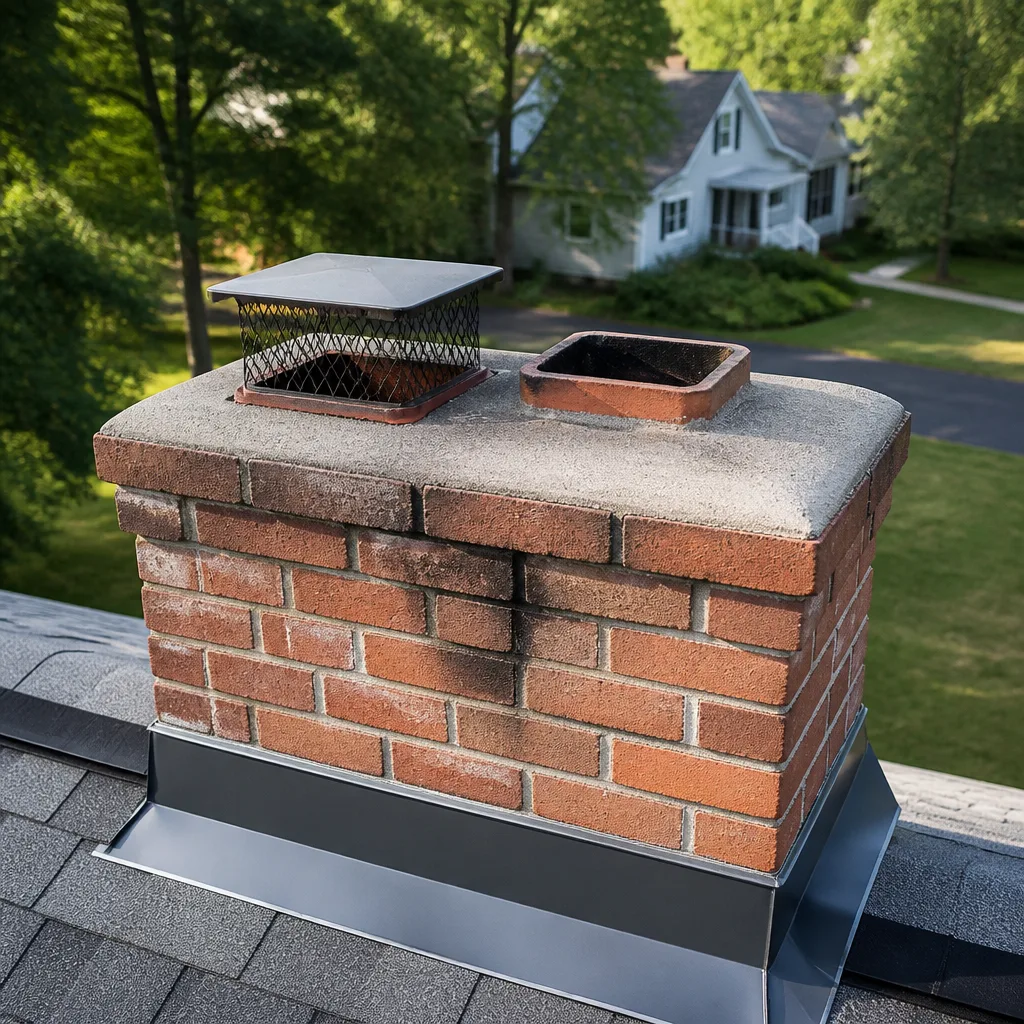
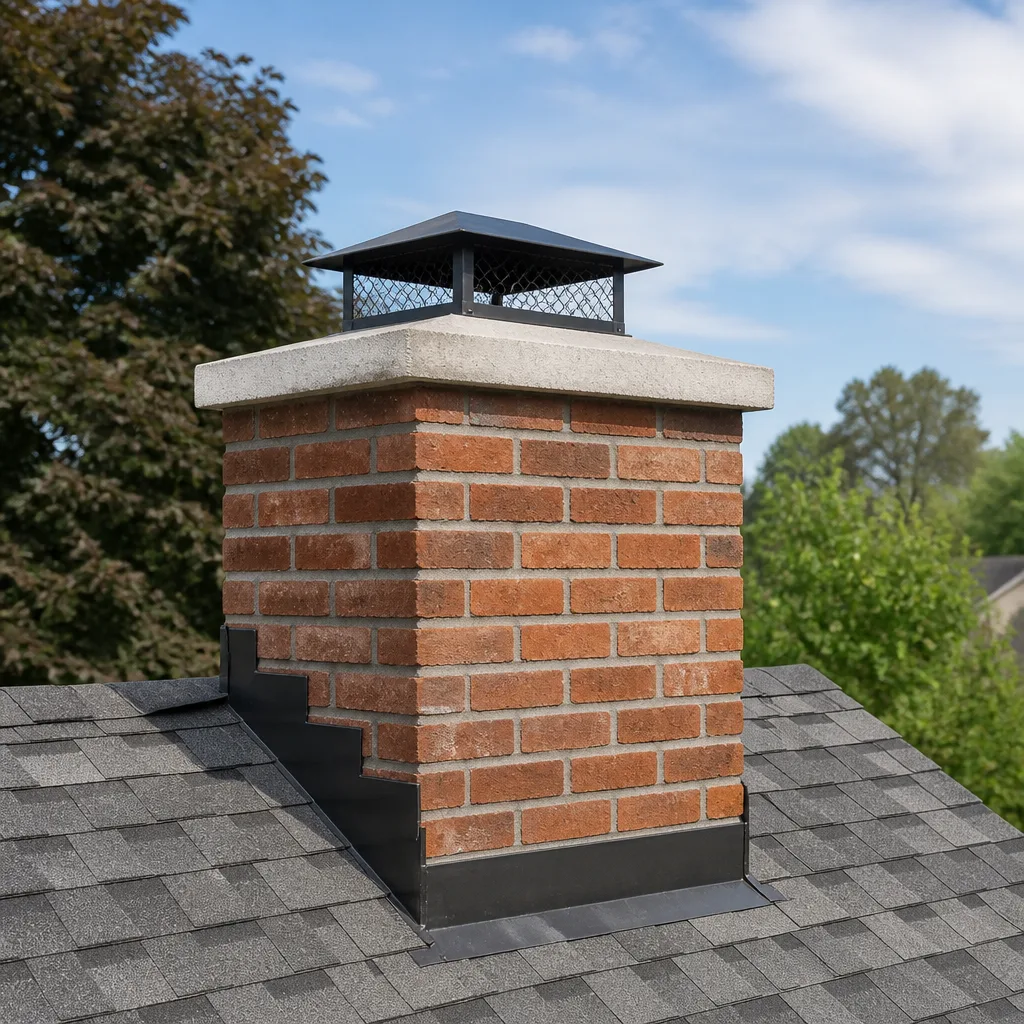
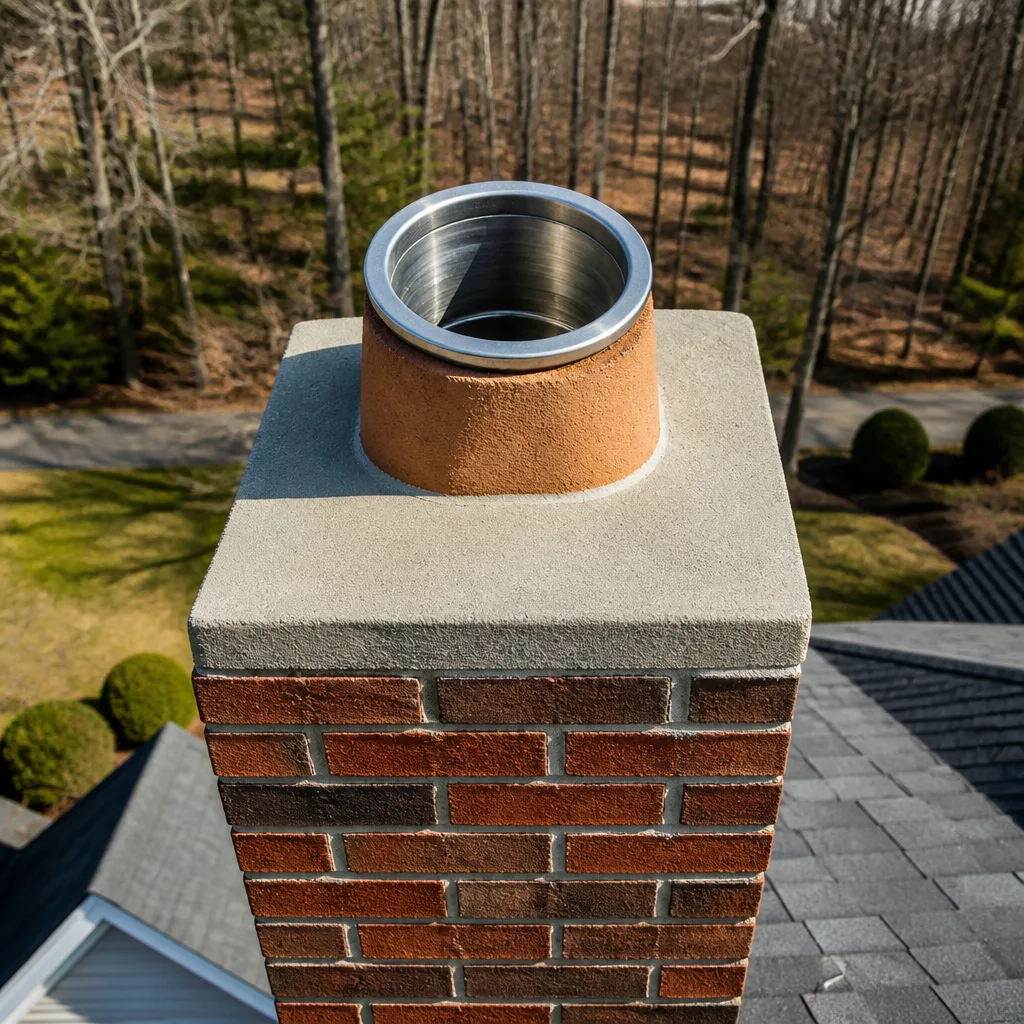
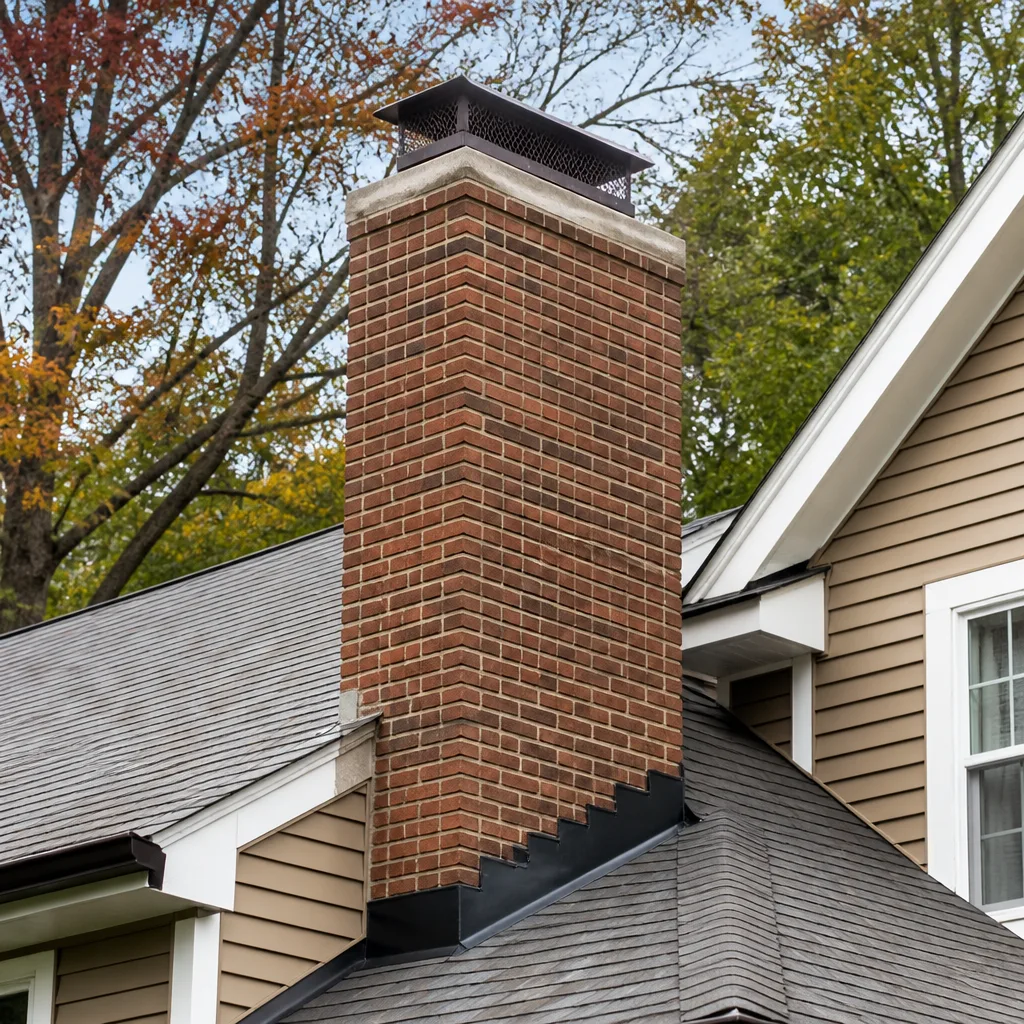
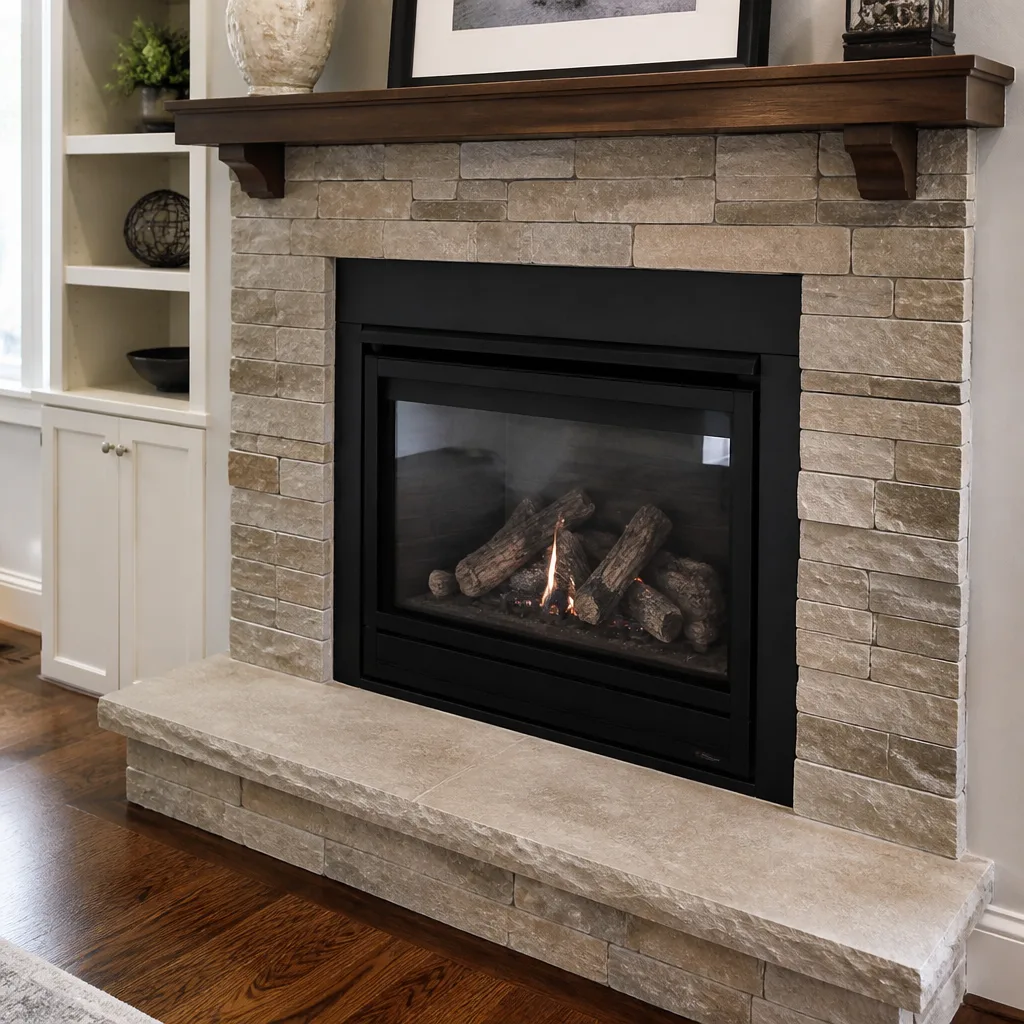
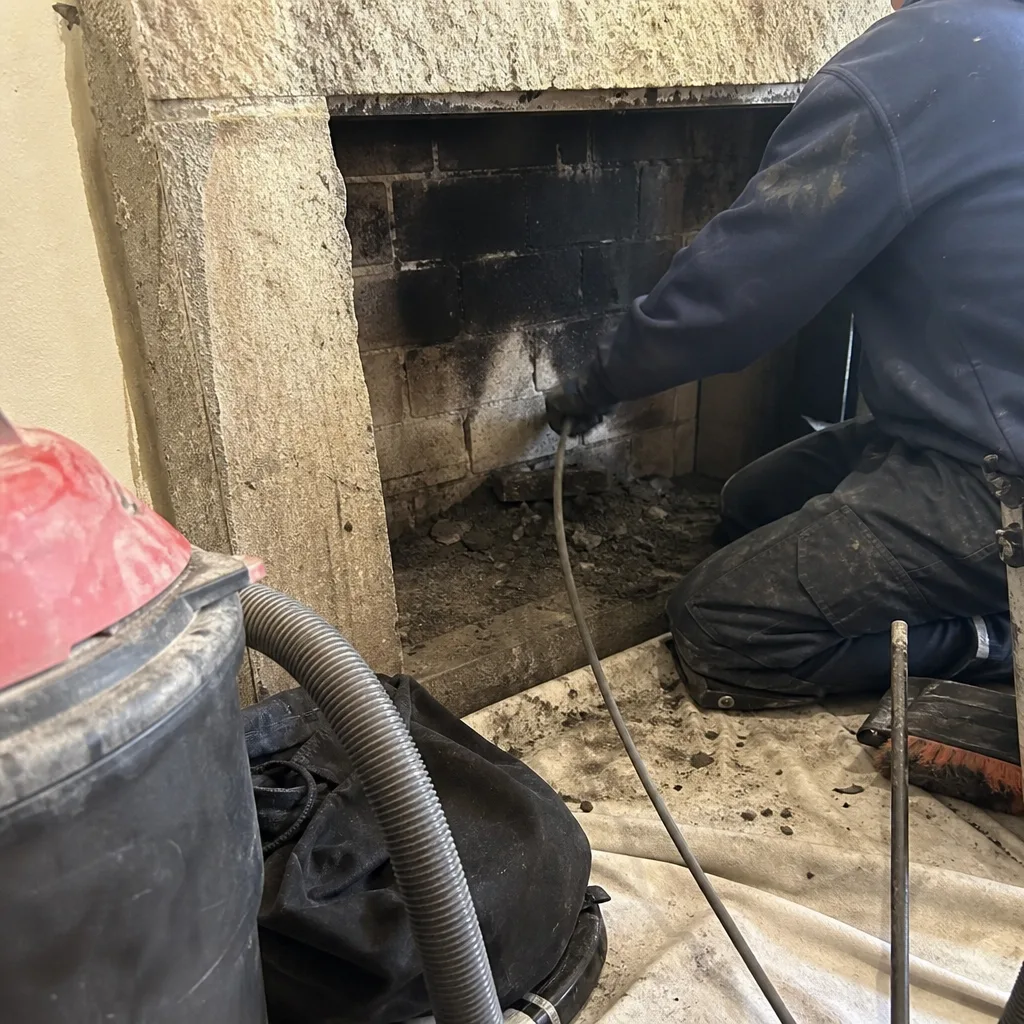 Before
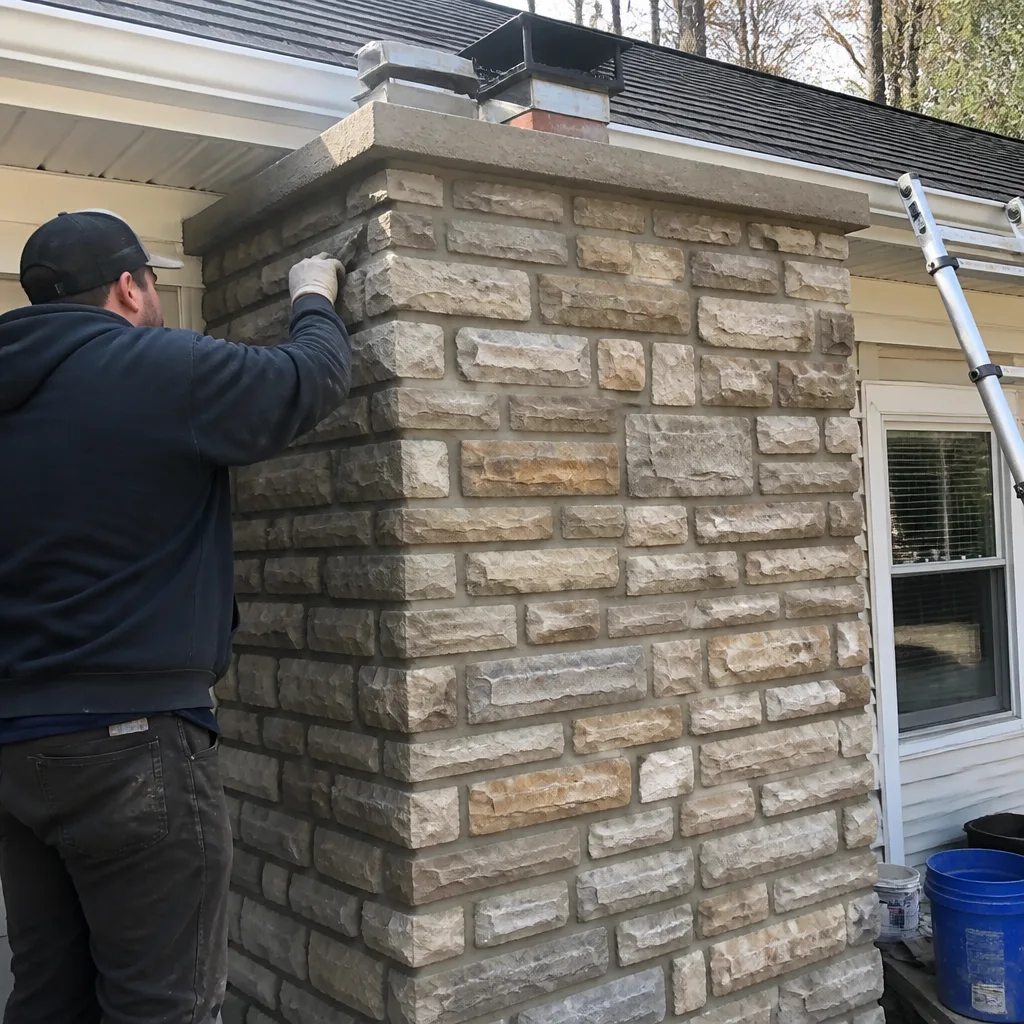 After
After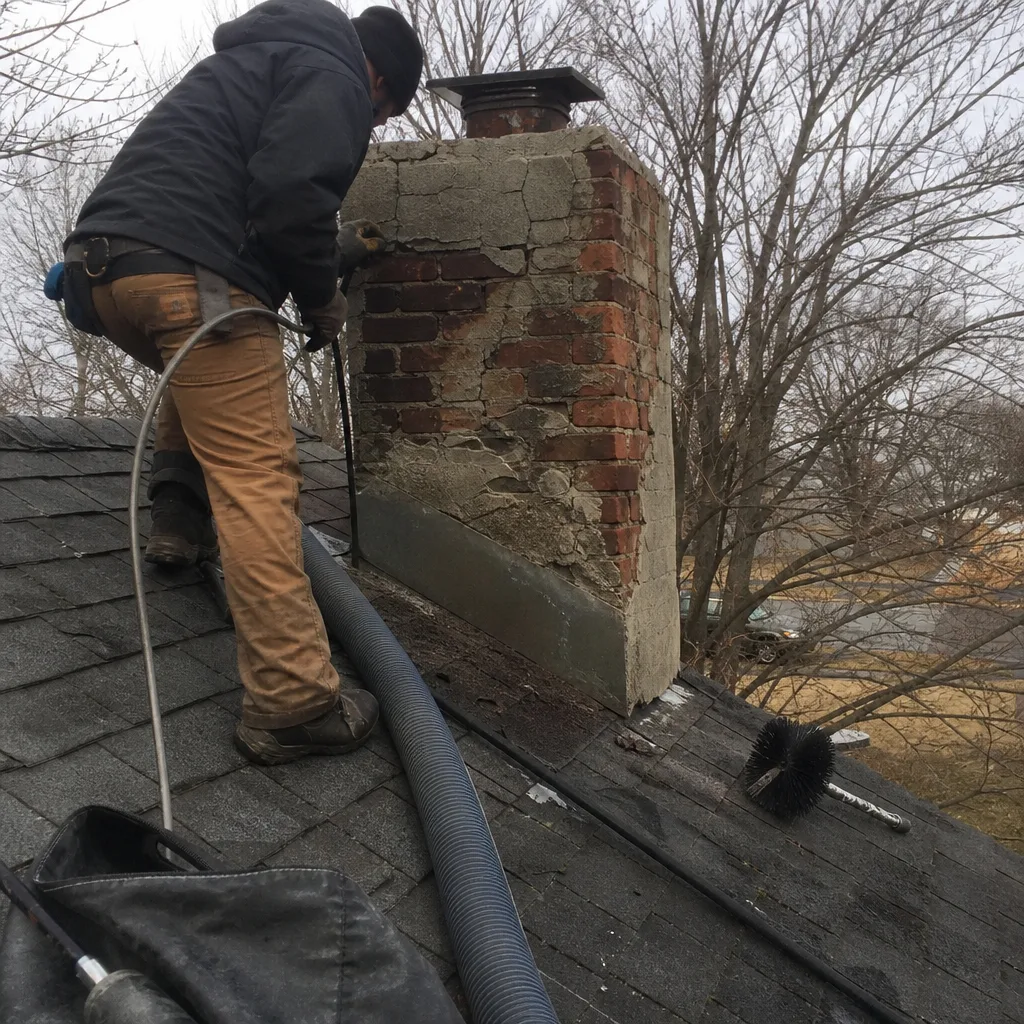 Before
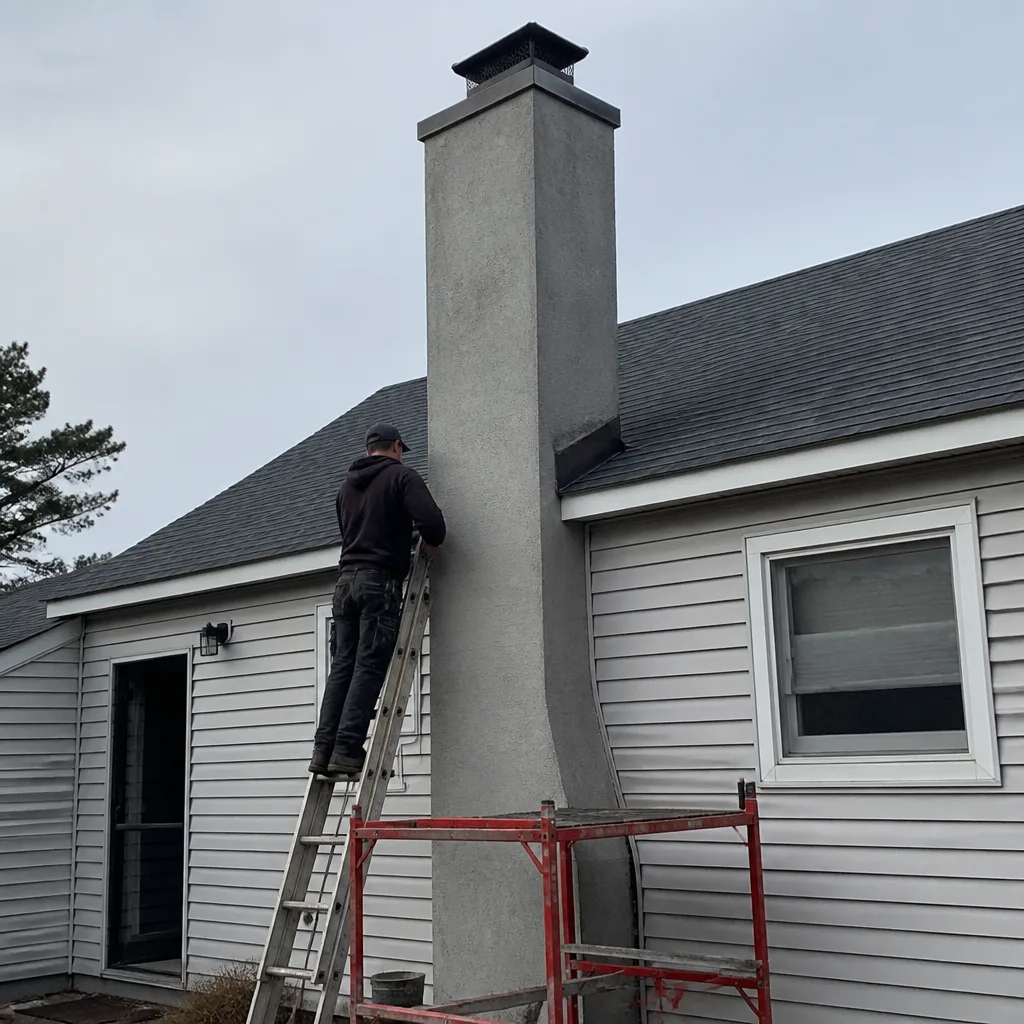 After
After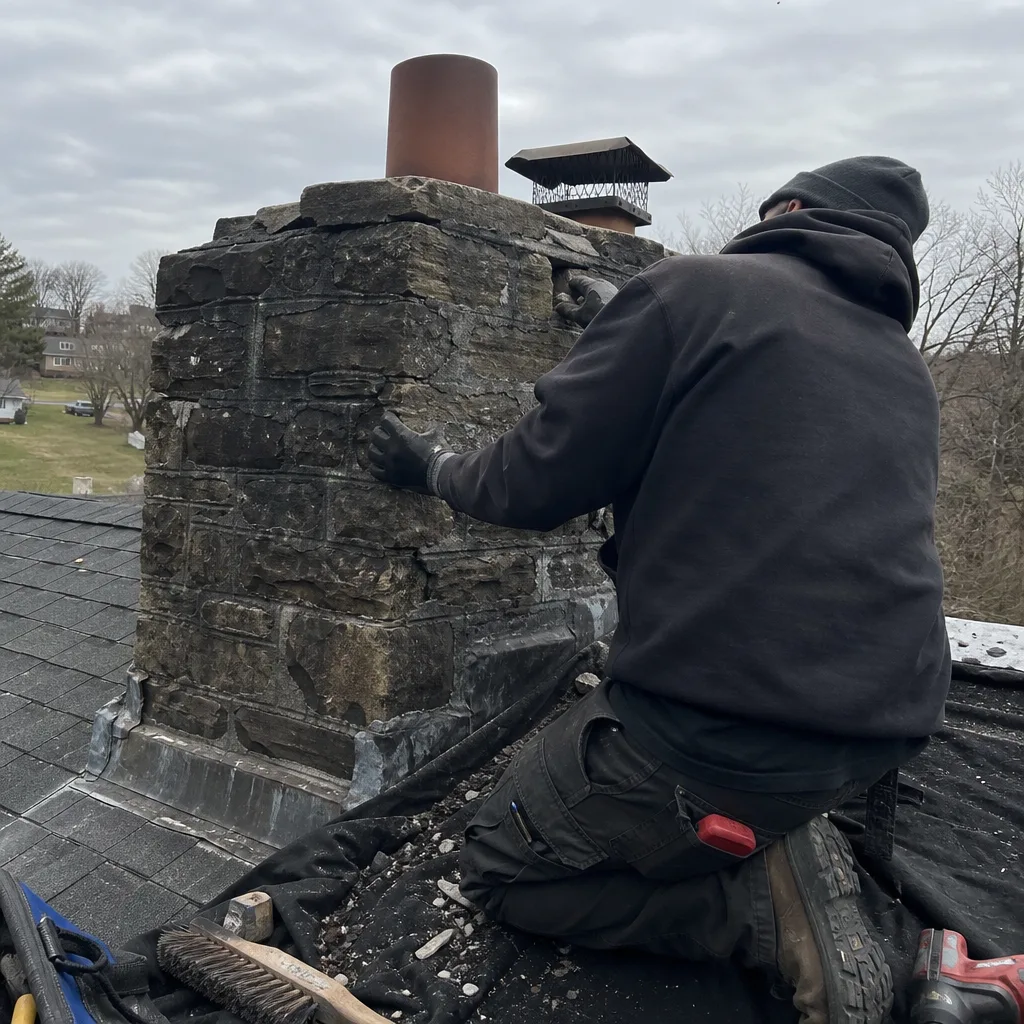 Before
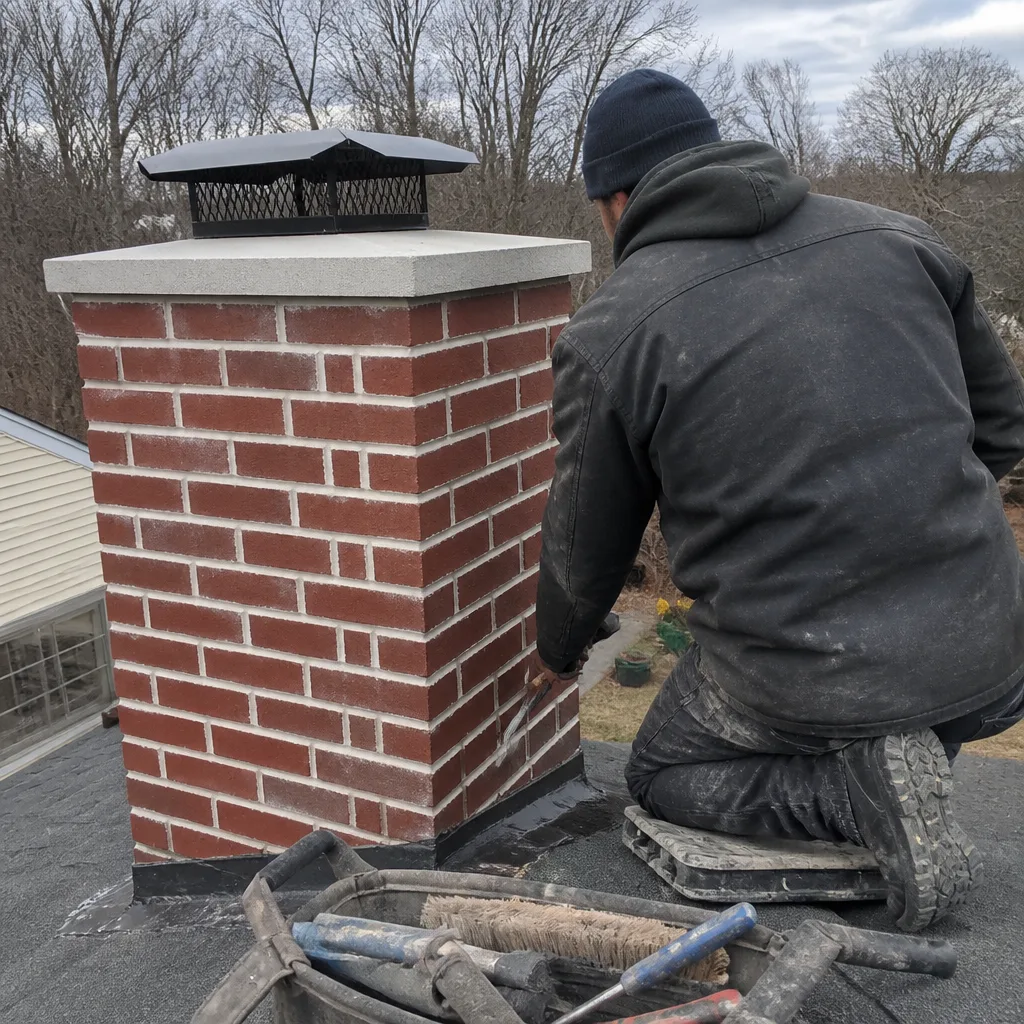 After
AfterThe Complete Guide to Chimney Cleaning in Bangor
The CSIA estimates that 25% of house fires involve the chimney, heating, or fireplace - and the majority are traced to neglect, not equipment failure. The chimney was maintained just enough to feel safe. In Bangor, where fieldstone foundations and wood-burning traditions run deep, that margin of error is thinner than most homeowners realize. This guide unpacks every variable that determines what your chimney actually needs, what it should cost, and how to tell whether the job was done right. By the end, you’ll walk into any conversation with a sweep knowing exactly what you’re buying - and what you’re not.
Quick Answer
A professional chimney cleaning in Bangor, PA typically costs between $175 and $325 for a standard Level 1 sweep with inspection, though prices climb to $400-$650 when Stage 2 or Stage 3 creosote requires chemical treatment before brushing. For help deciding who to hire, see our How to Hire a Chimney Cleaning Contractor in Bangor: A Step-by-Step Guide. The service includes debris removal from the firebox, smoke chamber, and flue, plus a structural assessment of accessible components. Most Bangor homes with active wood-burning fireplaces need this done annually; gas systems can often stretch to every two years with a Level 1 inspection in between.
Table of Contents
- What Chimney Cleaning Actually Includes
- Why Bangor Chimneys Fail Differently Than New-Construction Homes
- Level 1 vs. Level 2 vs. Level 3 Inspections
- Creosote Stages and What They Cost You
- Photo Documentation: The Nine Locations That Matter
- Pricing Breakdown: What You’ll Pay in Bangor
- Common Mistakes to Avoid
- When to Call a Professional
- Frequently Asked Questions
- The Bottom Line
What Chimney Cleaning Actually Includes
Most homeowners in Bangor ask for a “chimney cleaning” and expect a single, uniform service. In our experience, that’s where confusion starts. Cleaning and inspection are separate procedures with separate purposes, and bundling them into one vague line item is a common tactic that obscures what was actually done.
Here’s what a complete service looks like when performed correctly:
- Firebox debris removal - Ash, soot, and partially burned material are scooped and vacuumed. The firebrick and refractory panels are checked for cracks or spalling.
- Smoke chamber and smoke shelf cleaning - This angled area above the damper collects the heaviest creosote deposits. It’s awkward to reach and often skipped by rushed technicians.
- Flue sweeping with appropriate brushes - Poly or wire brushes sized to the flue diameter, rotated by rod or rotary system. The method depends on creosote stage and flue material.
- Damper inspection and operation - Throat dampers and top-sealing dampers are checked for corrosion, proper seal, and smooth operation.
- Exterior visual from ground or roof - Crown, cap, flashing, and brick condition are noted. This is not a full inspection but catches obvious failures.
- Written condition report - What was found, what was done, and what needs attention next.
The inspection component examines structural integrity: liner condition, mortar joint soundness, crown cracks, and water intrusion paths. In Bangor’s older housing stock, particularly in neighborhoods like Roseto and East Bangor where fieldstone foundations shift with freeze-thaw cycles, we’ve found that inspection often reveals more than cleaning removes.
A proper chimney cleaning and sweep in Bangor should leave you with two documents: a sweep log noting what was removed, and an inspection report noting what was found. If you receive only one, ask where the other went.
Why Bangor Chimneys Fail Differently Than New-Construction Homes
Bangor sits in the Lehigh Valley’s slate belt, where the housing stock skews older and the heating culture runs toward wood and coal heritage. This combination creates wear patterns that differ markedly from newer developments in the Poconos or Allentown suburbs.
Fieldstone foundations and thermal movement. The freeze-thaw cycle in Northampton County is aggressive. Fieldstone foundations shift subtly year after year, and that movement transmits to chimney structures, especially in homes built before 1950. We’ve seen flue liners crack vertically in Bangor’s West Ward not from heat stress alone, but from decades of foundation settling that the masonry chimney couldn’t flex with. A Level 1 inspection from the ground won’t catch this. A Level 2 inspection with a camera will.
Unlined or partially lined flues. Many Bangor homes built between 1880 and 1940 were constructed with brick flues and no clay liner. Some received partial liner retrofits in the 1970s or 1980s, often with incompatible materials. We’ve pulled failed stainless sleeves that were clearly DIY installations, creased and gap-toothed, venting combustion gases into the chimney wall itself. These require full relining with proper chimney repair in Bangor, not just cleaning.
Wood species and burning habits. Bangor homeowners with property tend to burn what they have: oak, maple, and increasingly emerald ash borer-killed ash. Green or unseasoned ash produces acidic, high-moisture smoke that accelerates liner corrosion and builds Stage 2 creosote faster than dry hardwood. The Pennsylvania hardwood tradition means longer burn times and deeper coals, which can overheat clay liners past their 2000°F rating.
Coal conversion residue. Chimneys that vented coal appliances and were later converted to wood or oil often retain sulfur-compound corrosion in the lower flue. This thins clay tiles and corrodes mortar from the inside out. We’ve documented this repeatedly in Bangor’s older center-hall colonials.
These factors mean a “standard” cleaning in Bangor often isn’t standard. The technician who treats your 1920s fieldstone chimney like a 2005 suburban build is missing the variables that determine whether you’re safe or simply feel safe. Before tackling this yourself, read our DIY vs Professional Chimney Cleaning: The Bangor Homeowner’s Decision Guide.
Level 1 vs. Level 2 vs. Level 3 Inspections
The National Fire Protection Association (NFPA) defines three inspection levels in Standard 211. Most homeowners don’t know which they’re getting, and some contractors prefer it that way. Here’s how they differ and when each applies in Bangor.
Level 1 Inspection
This is the baseline: accessible portions of the chimney exterior and interior, plus accessible portions of connected appliances and chimney connectors. No tools are used to open panels or remove components. The technician examines what can be seen without disruption.
Appropriate when: The appliance or venting system is unchanged, you’re continuing with the same fuel type, and there have been no operational problems or external events (chimney fire, earthquake, major storm). Annual maintenance for a gas fireplace typically stops here.
Limitation in Bangor: A Level 1 won’t reveal liner cracks, hidden creosote buildup in offsets, or crown deterioration on the roof-facing surface. For many of our older homes, this is insufficient.
Level 2 Inspection
This includes everything in Level 1, plus examination of accessible attics, crawl spaces, and basements, plus a video scan of the flue interior. It requires specialized camera equipment and trained interpretation. Panels may be removed, and the inspection addresses proper clearances to combustibles.
Triggers that require Level 2 in Bangor:
- Sale or transfer of property (Pennsylvania does not mandate this, but any prudent buyer should demand it)
- Change of fuel type (wood to gas, oil to pellet, etc.)
- Change of appliance or liner
- Chimney fire, lightning strike, or seismic event
- Any operational problem: smoke backup, odor, moisture stains, or draft failure
- Annual maintenance for active wood-burning systems in homes over 40 years old - our recommendation, not NFPA’s minimum
Our Level 2 inspections end with photos you can see and a plain-English verdict. The camera doesn’t lie, and the photos don’t disappear when the truck leaves.
Level 3 Inspection
This is invasive demolition: wall removal, chimney breach, or other destructive measures to access concealed areas. It’s warranted only when a Level 1 or 2 inspection indicates a serious hazard that cannot be evaluated otherwise.
We’ve initiated Level 3 inspections twice in Bangor in the past decade. Both involved suspected hidden fire damage after a chimney fire the homeowner didn’t know they’d had. The signs were subtle: heat-distorted roofing nails visible from the attic, and a faint scorch pattern on the exterior brick that looked like weathering until the camera revealed matching damage inside the flue.
Most Bangor homeowners never need Level 3. But knowing it exists, and what triggers it, protects you from a contractor who claims “we can’t tell without tearing it apart” when a Level 2 camera would suffice.
Creosote Stages and What They Cost You
Creosote isn’t one substance. It forms in three distinct stages, and each demands a different response. Misidentifying the stage leads to incomplete removal, accelerated buildup, or in the worst case, a chimney fire.
Stage 1: Soot and Light Flakes
Ash-gray to black, dusty or flaky, easily brushed away. This is normal residue from complete combustion of dry, seasoned wood. Standard poly or wire brushes remove it effectively.
What you’ll pay in Bangor: Included in standard sweep pricing, $175-$225.
Stage 2: Crunchy or Tar-Like Deposits
Black, shiny, hardened flakes or porous “honeycomb” structures. This forms when wood is burned at lower temperatures (damper choked overnight, wet wood, or air-starved appliances). The flakes contain concentrated combustible compounds and will ignite at lower temperatures than Stage 1.
Stage 2 cannot be fully removed with brushing alone. Chemical treatment with a powder or spray modifier (we use professional-grade applicators, not retail chimney products) is applied during a first visit to convert the deposit’s structure. The sweep is completed 7-14 days later after the chemical reaction has occurred.
What you’ll pay in Bangor: $325-$450 for the two-visit treatment sequence.
Stage 3: Glazed or Hardened Creosote
Shiny, rock-hard, often described as “dripping” down the flue like candle wax. This is the most dangerous stage, with ignition temperatures as low as 451°F and burn rates exceeding 2000°F. It forms from prolonged low-temperature burning, typically from homeowners who damper-down overnight for “banked” heat.
Stage 3 requires aggressive chemical treatment, sometimes repeated applications, and may require mechanical removal with specialized chains or whips that can damage clay liners if misused. In severe cases, liner replacement is more cost-effective than removal attempts.
What you’ll pay in Bangor: $450-$650 for chemical treatment and removal; $1,800-$4,500 if relining becomes necessary. We use DuraFlex and HeatShield systems for relining, depending on flue configuration and appliance type.
The critical point: a technician who brushes Stage 2 or 3 creosote without chemical pretreatment is performing theater, not maintenance. The flue looks cleaner. It isn’t. We’ve reinspected chimneys “swept” by others and found hardened deposits polished smooth by brushes but still present, still combustible, still dangerous.
Photo Documentation: The Nine Locations That Matter
Verbal-only inspection reports protect the contractor, not the homeowner. Without images, you have no evidence of what was found, no baseline for comparison next year, and no defense if a problem develops that was allegedly “checked.”
Our Level 2 inspections document nine specific locations. Any report that omits more than two of these is incomplete:
- Firebox floor and sidewalls - Cracked firebrick, deteriorated refractory panels, or exposed metal indicate immediate repair needs.
- Damper assembly - Corrosion, misalignment, or incomplete closure. A failed damper wastes heat and can admit chimney odors.
- Smoke chamber - The transition area above the damper, often the most heavily creosote-laden and least accessible zone.
- Smoke shelf - The horizontal ledge behind the damper where debris and creosote accumulate. Difficult to photograph well; easy to skip.
- Flue base (throat) - Where the flue begins, showing liner condition at the highest-stress thermal zone.
- Mid-flue, first accessible section - Typically 5-10 feet up, capturing general liner condition and any offset joints.
- Flue offset or bend - Many Bangor chimneys have offsets to avoid floor joists. These are creosote collection points and stress concentrators.
- Upper flue, below crown - Water intrusion, freeze damage, and liner top deterioration appear here first.
- Crown surface and cap attachment - Crown cracks direct water into the chimney structure; cap failure admits animals and debris.
Each photo in our reports is time-stamped and annotated with the finding. “Normal for age” is a conclusion we explain, not a label we apply without justification. If we recommend work, the photo shows why. If we say something can wait, the photo shows that too.
This documentation discipline is why we can offer our Hearthstone Chimney Co. home guarantee in writing, with no arguing. The photos don’t change after we leave.
Pricing Breakdown: What You’ll Pay in Bangor
Chimney service pricing in the Lehigh Valley reflects labor costs, travel distance from technician bases, and the complexity of older housing stock. Bangor sits far enough from Allentown and Easton that some regional chains add travel surcharges or decline appointments outright. Local operators who know the area typically price more fairly because they’re not burning an hour each way.
Here’s what we’ve observed in the Bangor market, based on our own pricing and what customers tell us they’ve been quoted:
| Service | Typical Range in Bangor | What’s Included |
|---|---|---|
| Level 1 sweep and inspection | $175-$225 | Firebox, smoke chamber, flue brushing; basic visual; written report |
| Level 2 inspection with camera | $225-$325 | Everything in Level 1 plus video flue scan, attic/crawl examination, photo documentation |
| Level 1 sweep + Level 2 inspection bundle | $275-$375 | Combined service, single visit for standard creosote |
| Stage 2 creosote treatment (two visits) | $325-$450 | Chemical application, return sweep, photo verification |
| Stage 3 creosote treatment | $450-$650 | Aggressive chemical/mechanical removal, possible liner assessment |
| Chimney cap installation (stainless) | $350-$550 | Custom-fit cap, proper flashing, critter-proof screening |
| Crown repair (minor crack sealing) | $275-$425 | Crown wash or sealant application, not rebuild |
| Gas fireplace tune-up | $89-$150 | Burner cleaning, pilot adjustment, safety check, log repositioning |
Our standing offers: $50 off any repair over $250, free second opinion on any written estimate, $89 seasonal tune-up, and a permanent 5% senior and veteran discount. We quote upfront; the number on the estimate is the number on the invoice.
Red flags in competitor pricing: Quotes below $150 for a full sweep often indicate rushed work, no camera, or uninsured labor. Quotes that won’t itemize cleaning versus inspection are designed to obscure what you’re actually buying. And any “free inspection” that mysteriously finds $3,000 in urgent repairs deserves a second opinion - which we’ll provide at no charge, with photos you can see.
Common Mistakes to Avoid
- Hiring based on coupon price alone. The $99 sweep special in Bangor often means a 20-minute visit, no camera, and a sales pitch for services you may not need. We’ve cleaned up after these operations. The chimney looked swept. It wasn’t inspected.
- Assuming gas fireplaces need no maintenance. Gas systems don’t produce creosote, but they do develop burner port corrosion, deteriorated ember material, and venting obstructions from animal nests. Annual inspection is still warranted; cleaning requirements are lighter but not zero.
- Burning unseasoned wood “because it’s free.” In Bangor’s wooded areas, storm-damaged or freshly cut wood is abundant and tempting. Wood with moisture content above 25% produces acidic smoke that corrodes stainless liners and builds Stage 2 creosote in a single season. Season it for 12 months minimum, or buy kiln-dried.
- Ignoring the smell. A persistent chimney odor, especially in summer, indicates moisture intrusion and organic growth on creosote deposits. It’s not “just how old chimneys smell.” It’s a warning that water is getting in and the flue needs attention before structural damage follows.
- Accepting verbal reports. “Looks fine” means nothing six months later when water stains appear on your ceiling. Insist on photo documentation. If a technician can’t show you what they saw, they didn’t look carefully enough.
- Skipping inspection after a chimney fire. Even a small, self-extinguished chimney fire (often mistaken for “a loud noise” or “sparks”) can crack clay liners and damage mortar. A Level 2 inspection is mandatory, not optional, and homeowner’s insurance may cover it if documented promptly.
- DIY creosote removal with hardware-store tools. Flexible rods from big-box stores often separate in the flue, leaving brush heads lodged above offsets. Retrieval requires chimney disassembly. The savings evaporate instantly. For fireplace services in Bangor, professional equipment pays for itself in risk avoided.
When to Call a Professional
Some situations tolerate delay. Others don’t. Call for service promptly if you notice smoke backing up into the room, a persistent tar-like odor, visible cracks in the firebox or exterior brick, white efflorescence staining on the chimney exterior, or any event you suspect was a chimney fire. Carbon monoxide risk from blocked or damaged flues is real and unforgiving; the gas is odorless and symptoms are easily mistaken for seasonal illness.
Seasonal timing matters in Bangor. The pre-heating-season rush begins in mid-September and runs through Thanksgiving. Scheduling in late summer secures your preferred date and avoids the emergency premium some operators charge for “we’re using it tonight” calls. For year-round maintenance timing, see our Seasonal Chimney Cleaning Care for Bangor: Year-Round Homeowner’s Guide. That said, we don’t pressure-book. If your system was inspected last year and shows no warning signs, early October works fine.
Hearthstone Chimney Co. offers free estimates in Bangor. Call (610) 609-7634 and a live person will answer, any hour of any day. We’ll schedule a visit, document what we find with photos you can see, and give you a plain-English verdict on what needs doing now, what can wait, and what you can safely handle yourself. For more guides & resources on chimney care, explore our blog.
Frequently Asked Questions
A standard Level 1 chimney sweep with inspection in Bangor typically runs $175-$325, depending on accessibility, creosote stage, and whether the flue requires chemical pretreatment. Stage 2 or 3 creosote adds $150-$325 for multi-visit chemical treatment. Call (610) 609-7634 for an exact quote - estimates are free, and the number we quote is the number on the bill.
Active wood-burning fireplaces and stoves in Bangor should be swept annually, ideally before the heating season begins. Gas fireplaces can typically go two years between cleanings but still need annual Level 1 inspection. Oil and pellet systems follow manufacturer intervals, usually annually for oil and per-ton for pellets. The NFPA recommends annual inspection for all chimney types; sweeping frequency follows from what the inspection finds.
Not always, and not based on age alone. A clay tile liner can last 50+ years if properly maintained and never overheated. You need replacement if inspection reveals cracked or missing tiles, gaps at joints, or corrosion damage that compromises containment of combustion gases. In Bangor’s older homes with unlined brick flues, or flues damaged by chimney fire, stainless steel relining with DuraFlex or HeatShield resurfacing is often the correct repair. We recommend nothing without camera evidence you can see for yourself.
Skipped maintenance allows creosote to progress from Stage 1 to Stage 2 or 3, increasing chimney fire risk and eventually requiring more expensive chemical or mechanical removal. Moisture intrusion goes undetected, accelerating masonry deterioration. In Bangor’s freeze-thaw climate, minor crown cracks become major structural failures within two to three winters. The cost of deferred maintenance compounds quickly; a $200 sweep skipped becomes a $2,000 crown rebuild or $4,000 relining.
A sweep removes combustible deposits and debris from the firebox, smoke chamber, and flue. An inspection evaluates structural condition, liner integrity, and clearances to combustibles. They are separate procedures with separate purposes. Some contractors bundle them into one vague charge; we itemize so you know exactly what was performed. A sweep without inspection is maintenance without diagnosis. An inspection without cleaning is diagnosis without risk reduction.
Basic firebox ash removal and damper cleaning are within most homeowners’ ability. Flue sweeping requires proper brush sizing, rod or rotary equipment, and knowledge of your specific flue material and configuration. More importantly, without a camera inspection, you cannot verify what the brushing accomplished or what condition the liner is in. For the cost of rental equipment and your time, professional service with documentation is the better value. And if your system has Stage 2 or 3 creosote, DIY brushing is ineffective and potentially dangerous.
How do I know if my chimney has had a fire?
Signs include a loud roaring or rumbling noise from the flue during use, visible sparks or flames at the chimney top, a sudden increase in draft or smoking problems afterward, or exterior brick with heat-discolored mortar. Many small chimney fires go unnoticed, detected only later by camera inspection showing heat-distorted flue tiles, cracked liner sections, or scorched creosote residue. If you suspect a fire, schedule a Level 2 inspection before using the system again.
The Bottom Line
Chimney cleaning in Bangor is not a commodity service with a single price and uniform result. It’s a sequence of decisions - fuel type, creosote stage, liner condition, inspection level, documentation quality - that determine whether you’re actually safe or simply feel safe. The homeowners who fare best are those who understand these variables, demand itemized service descriptions, and insist on photo evidence for any recommendation.
We’ve served this area for over 42 years because we treat every chimney as the specific structure it is, not as a generic appointment slot. Our technicians are background-checked, uniformed, and equipped to complete most jobs in a single visit. Every recommendation comes with photos you can see and a plain-English verdict. Every job is backed by our 90-Day Done Right Promise, in writing, with no arguing.
Done right - and we stand behind it. That’s the only way we know to work.
Written by Russell Haines, Owner at Hearthstone Chimney Co., serving Bangor since 2014.