
Last updated September 10, 2026
Level 1 sweep and inspection to the NFPA 211 annual standard - flue, crown, cap, and flashing checked and photographed
Chimney sweep logs do not sweep chimneys. They loosen some creosote - which then falls where a brush and vacuum still have to collect it.
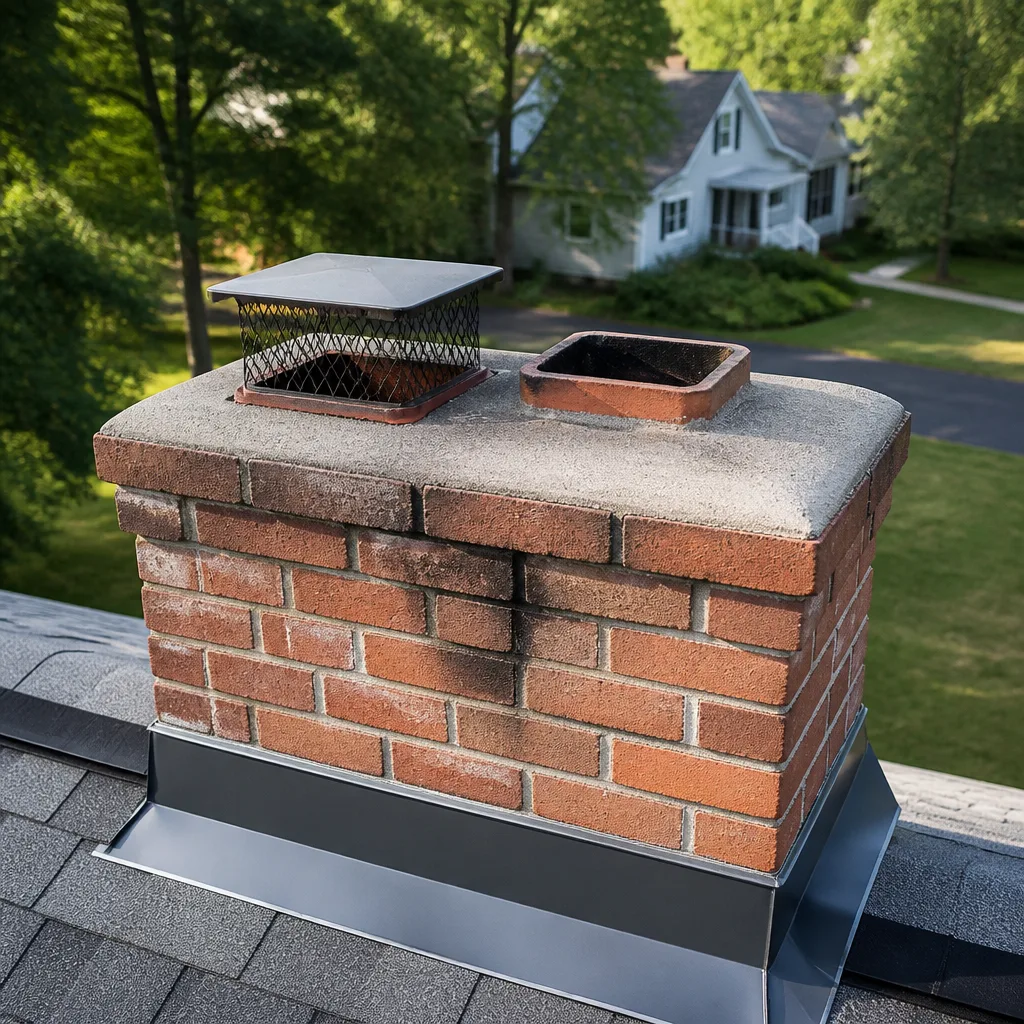
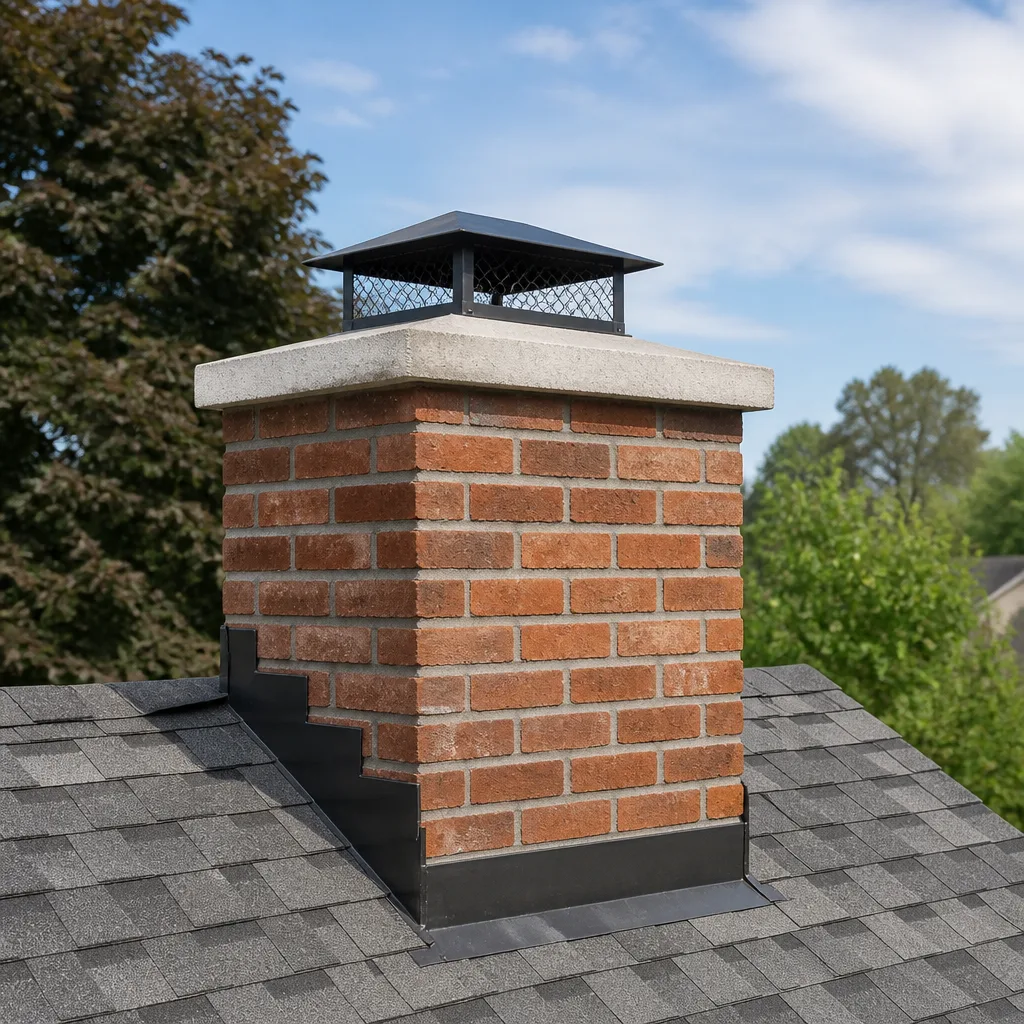
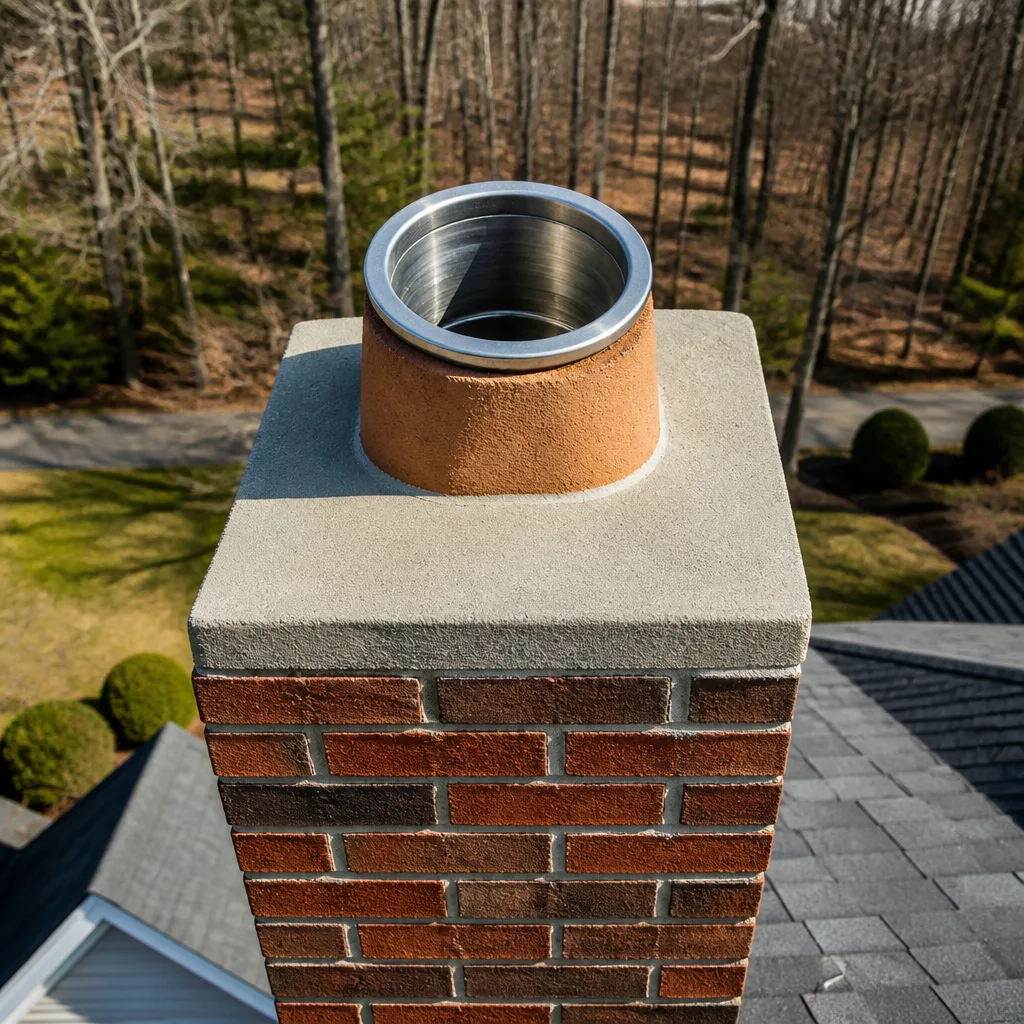
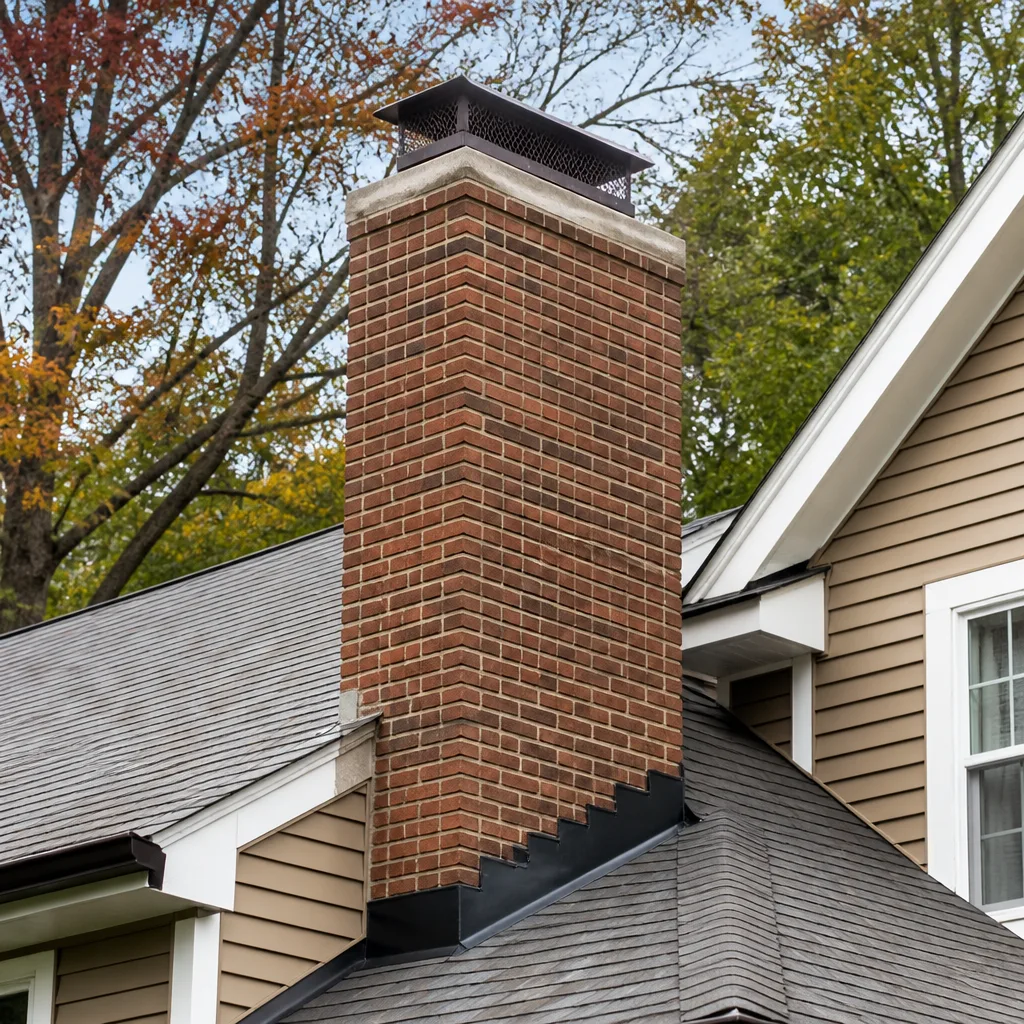
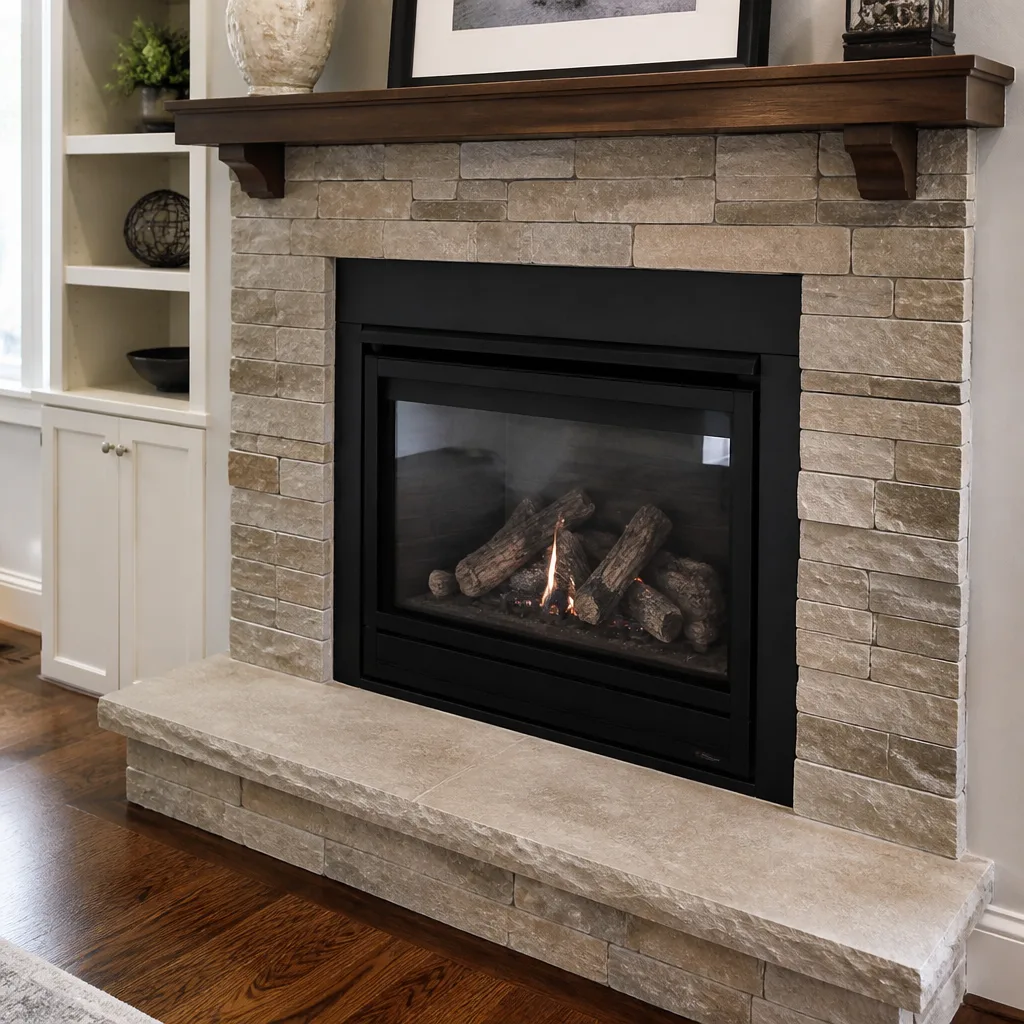
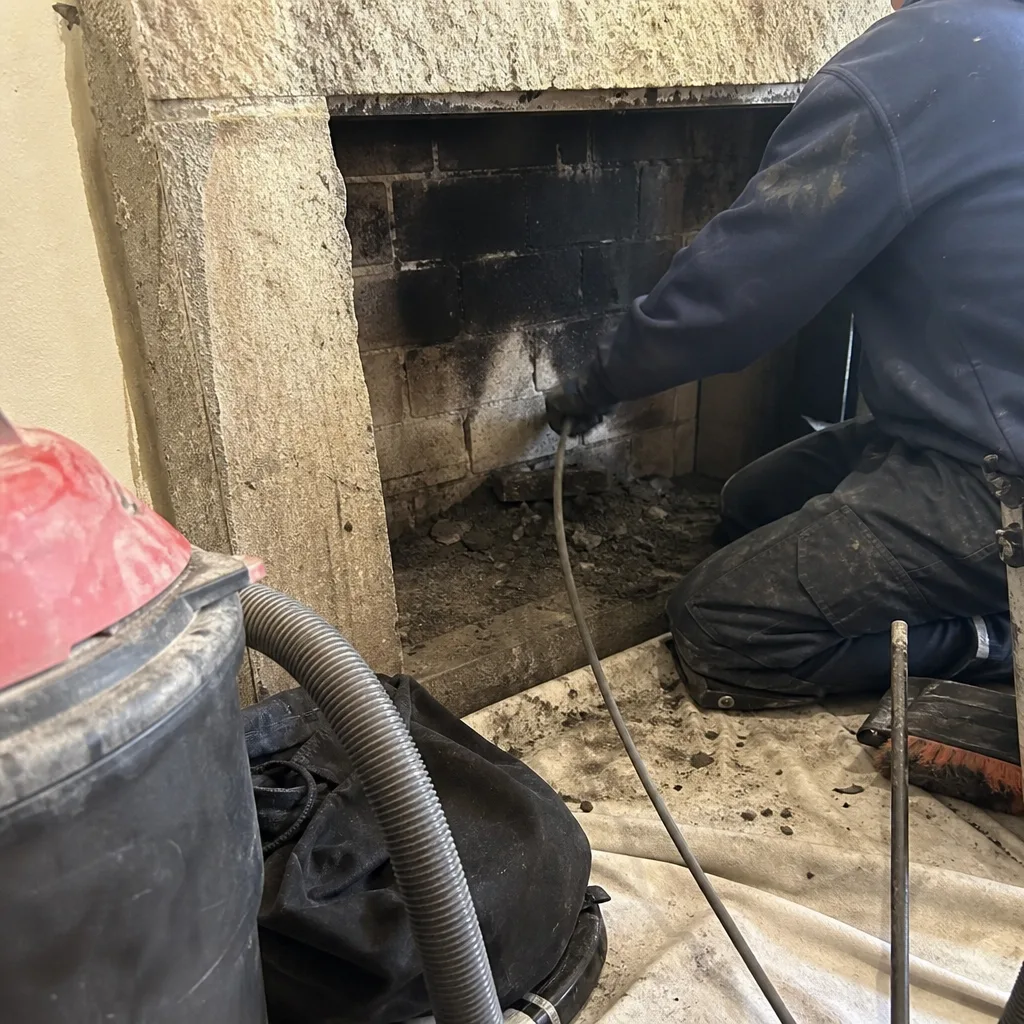 Before
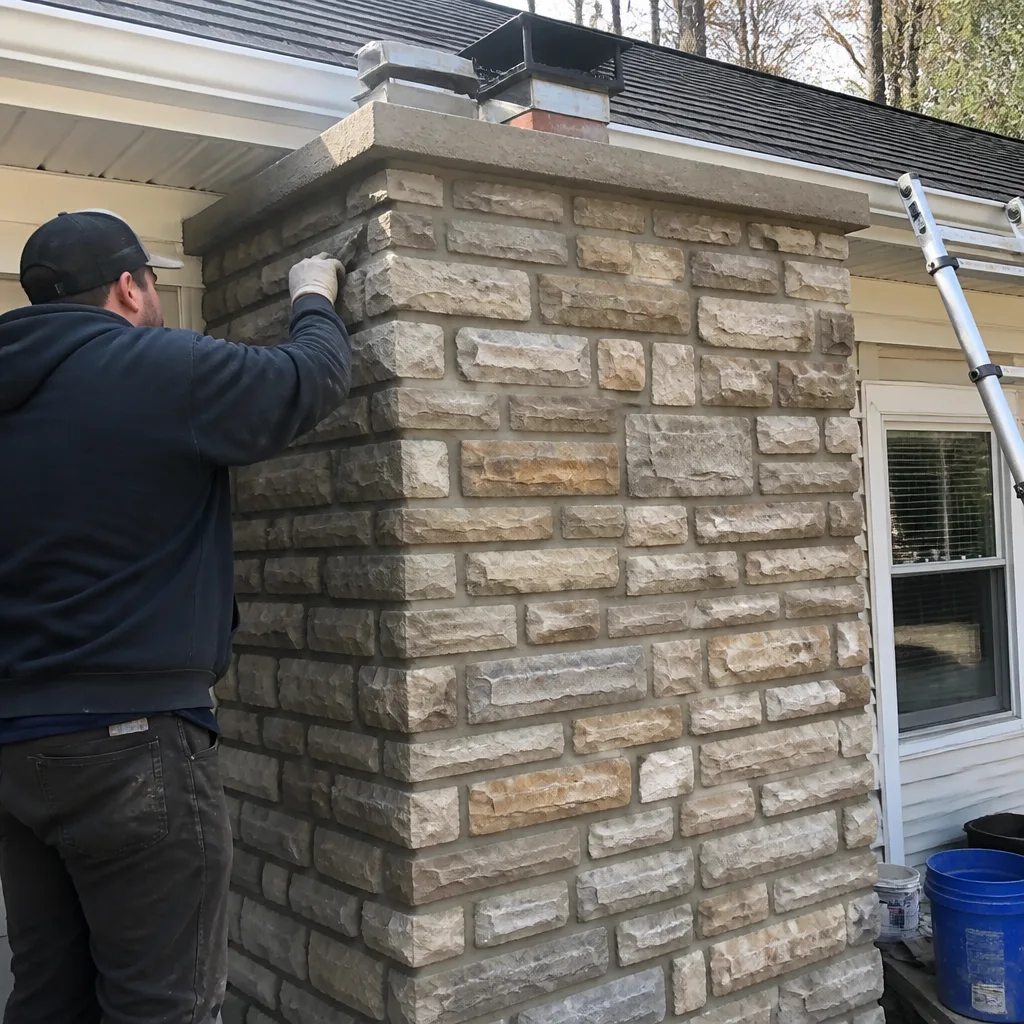 After
After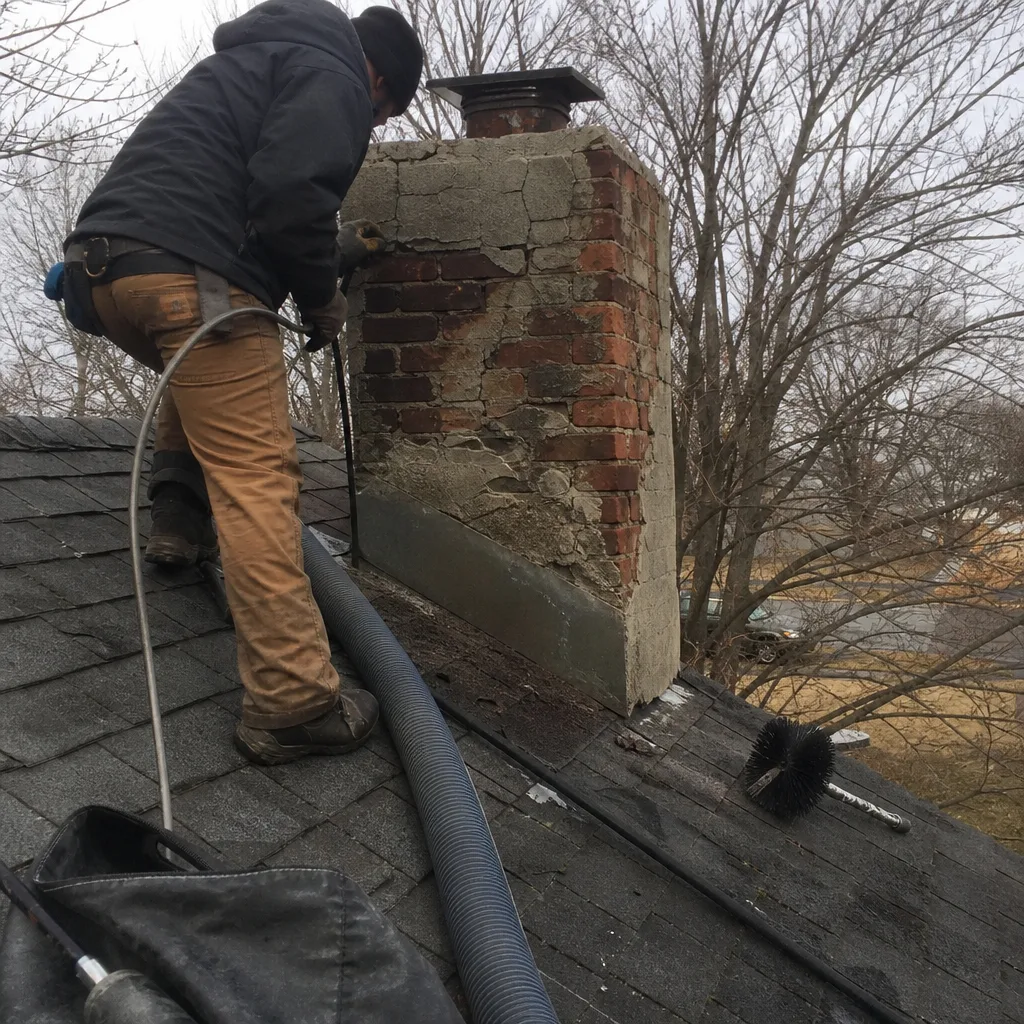 Before
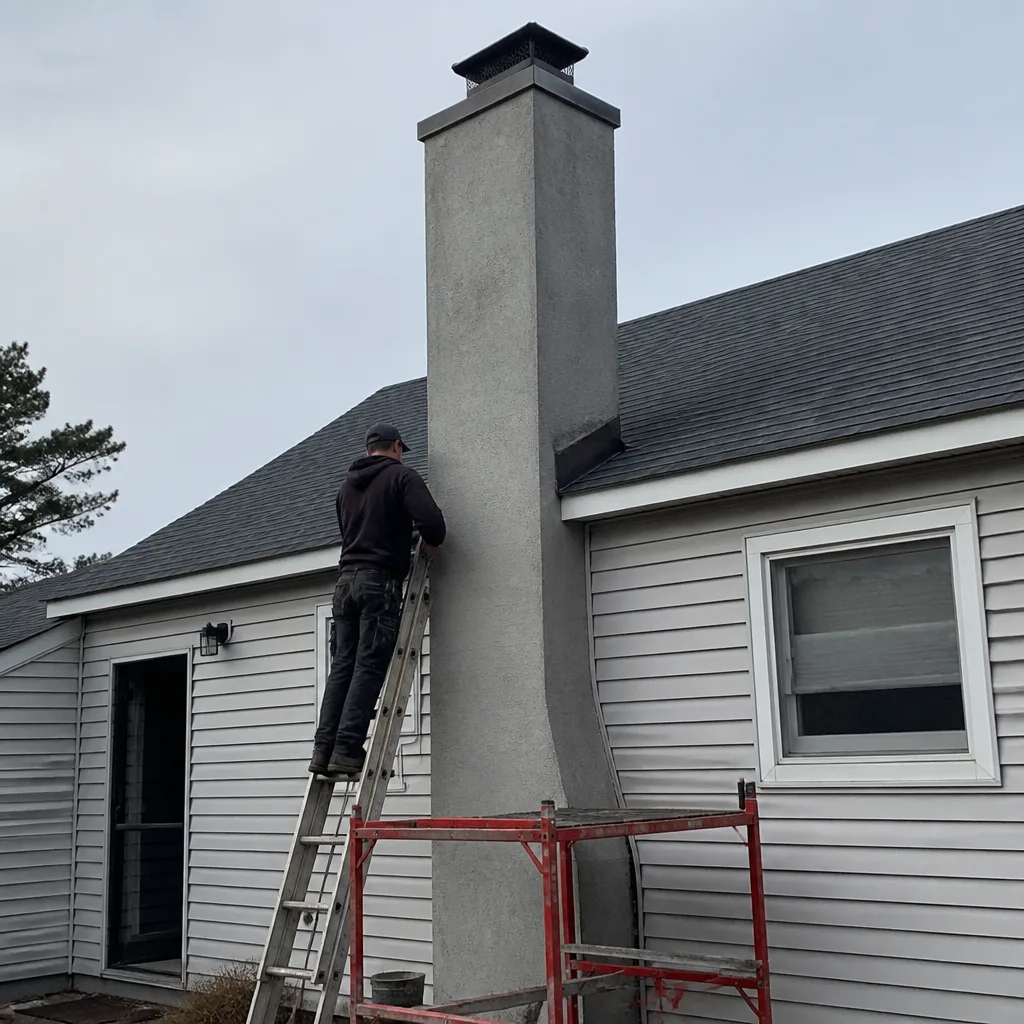 After
After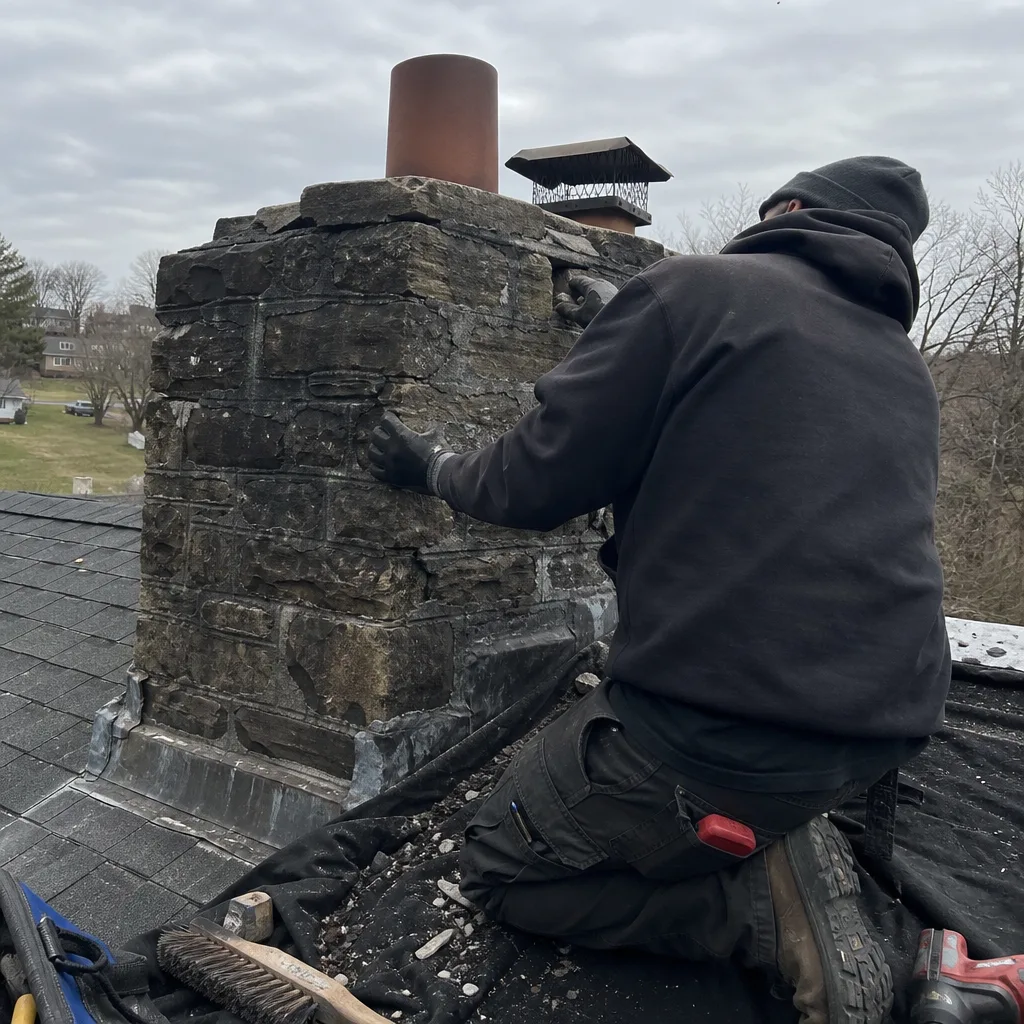 Before
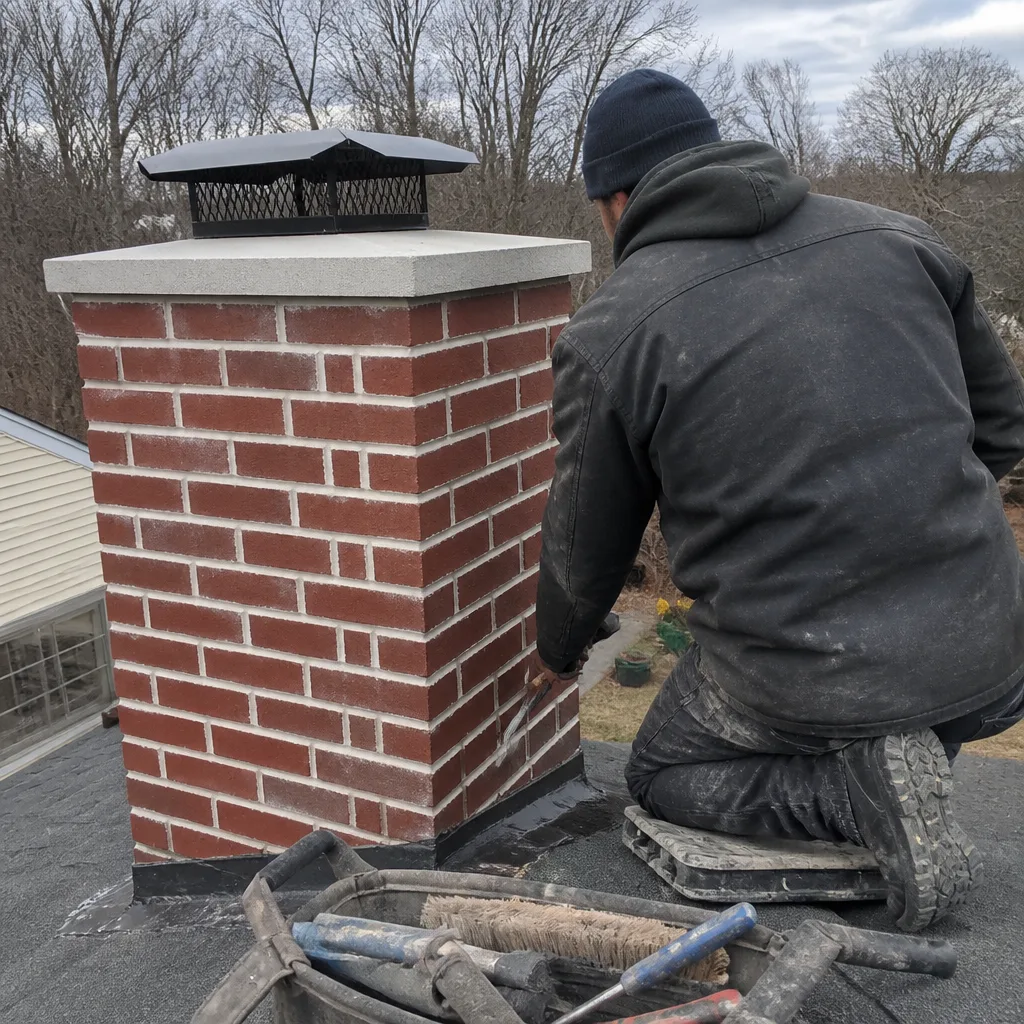 After
AfterSeasonal Chimney Cleaning Care for Bangor: Year-Round Homeowner’s Guide
If you burned wood through October, November, February, and March last year - which most Bangor homeowners did - you likely crossed the usage threshold that warrants two cleanings, not one. The annual recommendation was built for people who use their fireplace occasionally, not for Pennsylvania slate-belt winters that run colder and longer than state averages. In this guide and our more guides & resources, we’ll show you how to schedule chimney care around your actual burning habits, Bangor’s specific climate risks, and the dual-appliance flues common in older homes here.
Quick Answer
Most Bangor chimneys need professional cleaning twice per year when used as a primary heat source: once in September before burning season, and again in April after the final fires. A single annual sweep is adequate only for occasional recreational use of one cord or less. Year-round care also requires summer moisture protection, spring damage inspection after freeze-thaw cycles, and separate attention to furnace or boiler flues that share the chimney structure, as detailed in our Chimney Cleaning & Sweep Maintenance Checklist for Bangor Homeowners.
Table of Contents
- Why the “Once a Year” Rule Falls Short for Bangor
- How to Calculate Your Actual Cleaning Needs by Cords Burned
- What Summer Humidity Does to an Uncapped Chimney
- The Fall Pre-Season Inspection: September vs. October
- Spring Post-Season Tasks Most Homeowners Skip
- Managing Dual-Appliance Flues in Older Bangor Homes
- Common Mistakes to Avoid
- When to Call a Professional
- Frequently Asked Questions
Why the “Once a Year” Rule Falls Short for Bangor
The National Fire Protection Association’s once-a-year standard assumes moderate use: a few fires on winter weekends, seasoned hardwood, and a relatively dry climate. Bangor doesn’t fit that profile.
Our heating season stretches from mid-October through April, often with late cold snaps into May. Many homeowners here burn through shoulder seasons to delay turning on the furnace. We’ve seen customers in the 18013 zip code and along Route 512 go through three to four cords of mixed hardwood and softwood in a single winter. That volume produces creosote at roughly double the rate the annual standard anticipates.
Then there’s fuel variety. Bangor’s older housing stock includes homes originally built for coal heating. Some homeowners still supplement with coal or burn pressed logs with higher combustion temperatures and different residue patterns. Each fuel type deposits distinct compounds that interact with moisture and temperature in ways a generic annual sweep doesn’t address.
The calendar-based approach also ignores what happens between burning seasons. A chimney left idle from April to October isn’t dormant - it’s accumulating moisture, hosting organic growth, and potentially deteriorating from the inside out. In Bangor’s humid summers, that idle period is when some of the most expensive damage occurs.
What we’ve learned in 42 years: the homeowners who call us in September with a problem often haven’t had their chimney looked at since the previous spring, or longer. By then, a minor crown crack has widened, mortar joints have softened, and the first fire of the season reveals a blockage or backdraft issue that could have been prevented.
Key principle: Schedule maintenance around usage and local conditions, not a calendar date you memorized.
How to Calculate Your Actual Cleaning Needs by Cords Burned
Creosote accumulation isn’t mysterious. It correlates directly with fuel volume, moisture content, and burn efficiency. Here’s how to estimate your real cleaning frequency.
Step 1: Estimate Your Annual Cord Consumption
A cord is a stacked pile measuring 4 feet by 4 feet by 8 feet. Most Bangor homeowners underestimate by half. If you’re stacking in the side yard off Market Street or behind a garage in the historic district, measure what you actually burned, not what you ordered.
- Occasional ambiance fires (1-2 per week): 0.5 to 1 cord per year
- Regular supplemental heating (most evenings): 2 to 3 cords per year
- Primary or near-primary heat source: 3 to 5 cords per year
Step 2: Map Cords to Cleaning Frequency for a Standard 6-Inch Liner
These are the accumulation rates we’ve documented across thousands of Bangor inspections:
| Annual Cords Burned | Recommended Sweeps | Timing |
|---|---|---|
| Under 1 cord | 1 sweep | September, before first use |
| 1 to 2 cords | 1 sweep | September; inspect in April |
| 2 to 3 cords | 2 sweeps | September and April |
| Over 3 cords | 2 sweeps + mid-season check | September, January, April |
For a standard 6-inch round flue liner, creosote deposits exceeding 1/8 inch thickness create a measurable fire hazard. At 1/4 inch, the NFPA considers it a significant risk. In our experience, a Bangor homeowner burning 3 cords of mixed hardwood with average moisture content hits that 1/8-inch threshold in roughly 60 to 75 fires - about 10 to 12 weeks of regular use.
Softwoods like pine, common in local cordwood deliveries, accelerate this timeline by 30 to 40 percent. The resinous smoke condenses faster and forms glaze creosote, a hardened, tar-like deposit that standard brushing won’t remove. That requires specialized chains or chemical treatment.
Step 3: Factor in Your Burn Habits
Smoldering overnight fires to “keep the coals alive” are the single worst practice for creosote buildup. They produce incomplete combustion at low temperatures, the exact conditions that deposit the most residue. A hot, brisk fire with adequate air intake burns cleaner and extends your safe interval between sweeps.
If you’re unsure of your cord count, we can estimate from inspection. Our Level-2 camera inspection includes photos of the flue interior with measurements visible. You’ll see exactly what we see, and we’ll explain what it means for your schedule.
Chimney Cleaning & Sweep in Bangor - our process and what to expect.
What Summer Humidity Does to an Uncapped Chimney
This is the season most homeowners ignore, and it’s where we find some of the most preventable damage.
Bangor’s summer humidity averages 65 to 75 percent from June through August, with frequent spikes after thunderstorms rolling off the Blue Mountain ridge. An uncapped flue acts as a vertical conduit for that moisture, drawing humid air down the stack through natural convection. Inside the flue, that moisture meets residual creosote deposits from winter burning.
The chemistry matters. Creosote is acidic. Hydrated creosote becomes more acidic. Over a single summer, that compound can lower the pH inside a clay tile liner from neutral to 3.5 or below - comparable to vinegar. We’ve pulled camera footage from September inspections showing etching and surface pitting on liners that were smooth the previous spring. Left untreated, that deterioration progresses to spalling, cracking, and eventual liner failure.
The damage isn’t limited to the flue interior. Moisture migrating through porous brick and mortar accelerates efflorescence, the white powdery deposits you may have noticed on exterior chimney faces in Bangor’s older neighborhoods. That’s mineral salt being drawn out by evaporation. It’s also evidence that water is moving through the masonry structure, expanding and contracting with temperature swings, gradually breaking the bond between mortar and brick.
Summer Protection Checklist
- Verify cap condition: A proper cap with mesh sides blocks rain and animals while allowing ventilation. Screens clogged with debris or caps with rusted seams do neither.
- Check crown integrity: The concrete crown sheds water away from the flue opening. Hairline cracks in May become quarter-inch gaps by October after thermal cycling.
- Inspect flashing: The metal seam where chimney meets roof is the most common leak point. Summer is the only practical time to repair it without weather complications.
- Address vegetation: Ivy and climbing vines trap moisture against masonry and exploit existing cracks. Remove them before they establish root penetration.
We install caps from Olympia Chimney and Famco with stainless steel construction rated for Pennsylvania’s freeze-thaw cycles. A proper cap costs less than a single liner repair and prevents the conditions that make repairs necessary.
Chimney Repair in Bangor - crown, flashing, and masonry services.
The Fall Pre-Season Inspection: September vs. October
Every September, our phone lines at Hearthstone Chimney Co. start ringing with homeowners who lit their first fire and smelled something wrong, or heard an odd draft, or noticed smoke backing into the room. By then, the good appointment slots are gone, and any needed repair pushes first use into October or November.
September scheduling isn’t about being early. It’s about having options.
What a Pre-Season Inspection Actually Covers
Our Level-2 inspection goes beyond the sweep itself. We’re looking for four categories of issue that could affect your first fire:
- Obstructions: Bird nests, squirrel caches, leaf debris, or collapsed liner segments from the previous season
- Creosote volume and type: Whether deposits are powdery, flaky, or glazed; whether they exceed safe thickness
- Structural integrity: Liner cracks, missing mortar joints, spalling tile, or shifting flue segments
- Clearance and configuration: Proper connection to appliance, adequate combustion air supply, correct damper function
The camera inspection produces dated, geotagged photos you can review yourself. We explain what we’re seeing in plain English, not technical jargon. If something can wait, we say so. If something needs attention before first use, we show you exactly why.
The Go/No-Go Verdict
After inspection, you’ll receive one of three clear assessments:
- Clear for use: Sweep completed, no deficiencies noted. Burn with normal precautions.
- Use with monitoring: Minor issues identified - perhaps early-stage crown cracking or thin creosote in a hard-to-reach flue bend. We’ll schedule follow-up and tell you what to watch for.
- Do not use until repaired: Significant liner damage, active leaks, or hazardous obstructions. We’ll prioritize the repair and give you a firm date for safe operation.
In our experience, roughly 15 percent of Bangor chimneys inspected in early fall receive a “do not use” or “use with monitoring” verdict. The homeowners who scheduled in September have time to address it before the first cold night. Those who wait until October often face a choice between delaying heat or accepting an emergency repair at premium scheduling.
We’ve served local communities for over 42 years. We’ve seen enough October ice storms to know which schedule works.
Spring Post-Season Tasks Most Homeowners Skip
The last fire is out, the weather’s warming, and the chimney is the last thing on your mind. This is when critical maintenance gets deferred until it’s forgotten entirely.
Spring post-season care serves two purposes: preserving the chimney during its idle months, and documenting any winter damage while it’s fresh.
Remove All Ash and Debris
Leaving ash in the firebox seems harmless. It isn’t. Ash absorbs atmospheric moisture and holds it against metal components - dampers, fire grates, and any steel fireplace inserts. In Bangor’s humid summers, that moisture promotes corrosion that seizes dampers and weakens grate structures. We find stuck dampers every September that were functional in April.
Remove ash completely, vacuum the firebox, and leave the damper open for ventilation. A lightly dampened ash bed is a breeding ground for odor-producing bacteria that announce themselves on the first humid July day.
Inspect for Freeze-Thaw Damage
Bangor’s winter temperature swings are brutal on masonry. A January day at 35 degrees followed by a night at 10 degrees causes moisture in brick and mortar to expand and contract with destructive force. The damage accumulates invisibly until spring reveals it.
From ground level or a safe ladder position, examine:
- The crown: Look for new cracks, chips, or pooling evidence where water collects
- mortar joints: Check for receding, crumbling, or missing sections between bricks
- Spalling brick faces: Flaking or popping of the brick surface, exposing the softer interior
- Flashing seams: Gaps or lifted edges where ice dam pressure has separated the metal
Document what you see with dated photos. Compare them year to year. Progressive deterioration is your signal to schedule repair before the next winter compounds the damage.
Install or Verify the Chimney Cap
If your flue was open all winter, spring is your last chance to cap it before summer moisture arrives. We addressed the chemistry earlier. The practical point: a cap installed in April prevents five months of humid air infiltration that would otherwise accelerate liner deterioration.
Our technicians carry Copperfield and Olympia Chimney caps in common sizes and can measure and install during the same visit as your spring sweep. Most jobs completed in a single visit, with no-hassle upfront pricing.
Schedule the Spring Sweep
The spring sweep removes creosote before it can interact with summer moisture. It also gives us baseline photos for comparison in fall. If you’re burning 2+ cords annually, this second sweep isn’t optional - it’s the one that keeps your September inspection brief and your winter burning safe.
Fireplace Services in Bangor - damper repair, firebox restoration, and insert maintenance.
Managing Dual-Appliance Flues in Older Bangor Homes
Walk through Bangor’s historic districts or the neighborhoods off Broadway and Main Street, and you’ll find a common configuration: a single chimney serving both a first-floor fireplace and a basement furnace or boiler. This was standard construction from the 1920s through the 1960s, and thousands of these systems remain in service.
Dual-appliance flues have a different seasonal rhythm than single-use chimneys, and most homeowners - and some less experienced sweeps - miss the implications.
How the Flues Actually Work
Typically, the larger flue (often 8×12 inches or larger) serves the fireplace. A smaller, often unlined or partially lined flue serves the furnace or boiler. They may share a common wall in the chimney structure, or the heating appliance may vent into the fireplace flue through a thimble connection.
The critical issue: these flues interact. A furnace running in October before the fireplace is inspected can deposit acidic condensation in a flue still carrying summer moisture and last spring’s residual soot. The combination produces accelerated corrosion at the flue junction and in any terra cotta liner segments.
The Dual-Appliance Maintenance Calendar
| Timing | Fireplace Flue | Furnace/Boiler Flue |
|---|---|---|
| September | Full Level-2 inspection and sweep | Visual inspection for blockages, corrosion at connection |
| October-November | Monitor first fires for draft issues | Check for backdraft when furnace cycles during fireplace use |
| January | Mid-season sweep if 2+ cords burned | Inspect for condensation staining or rust at thimble |
| April | Post-season sweep, ash removal, cap installation | Full inspection and cleaning after heating season |
The April furnace flue cleaning is the most commonly skipped service. Homeowners shut down the boiler, turn off the thought, and don’t consider that a full winter of oil or gas combustion has deposited sulfur compounds and moisture in a flue that will sit stagnant for six months. That stagnant environment produces the same acidic deterioration we described for fireplace flues, often faster because heating appliance exhaust is already moisture-laden.
We’ve replaced liners in Bangor homes where the fireplace flue was maintained annually and the furnace flue was never touched. The furnace flue failed first, and its deterioration compromised the shared chimney structure.
If you’re unsure whether your chimney serves dual appliances, we can determine that in minutes with a camera inspection. The configuration affects your maintenance schedule, your safety risks, and your long-term repair costs. It’s worth knowing.
Hearthstone Chimney Co. home - full service details and company background.
Common Mistakes to Avoid
- Scheduling by the calendar, not the cords. “We always do it in October” ignores whether you burned one cord or four. Measure your actual usage and adjust accordingly.
- Assuming a gas fireplace needs no attention. Gas appliances produce corrosive condensation and can block with debris or insect nests. They require inspection on their own schedule, typically every two years minimum.
- Ignoring the basement flue. In dual-appliance chimneys, the furnace flue is out of sight and out of mind until it fails catastrophically. Include it in your seasonal plan.
- Buying a cheap cap at the hardware store. Galvanized steel caps from big-box retailers rust through in 2-3 Pennsylvania winters. Stainless steel from established brands lasts decades and costs less over time.
- Trying to “inspect” from the roof yourself. Steep pitches, slate surfaces common in Bangor’s older homes, and decades of weathering make chimney inspection genuinely hazardous. Leave height work to equipped professionals.
- Deferring spring maintenance until “next year.” The damage that occurs between April and September - moisture infiltration, freeze-thaw cycling in late cold snaps, animal intrusion - doesn’t reset. It accumulates.
When to Call a Professional
Some situations don’t wait for your scheduled maintenance. Call for prompt inspection if you notice smoke backing into the room, a persistent tar-like odor when the fireplace isn’t in use, visible cracks in interior masonry, or water stains on walls or ceilings near the chimney stack.
Also call before your first fire if you’ve purchased a home and have no documentation of prior chimney service. In Bangor’s active real estate market, we’ve inspected chimneys that hadn’t been swept in a decade or more, with sellers who genuinely didn’t know the maintenance history.
Hearthstone Chimney Co. offers free estimates in Bangor. A live person answers every call, 24 hours a day, 7 days a week - not a voicemail, not a callback queue. Our background-checked, uniformed technicians complete most jobs in a single visit, and you’ll receive photos you can see with a plain-English verdict before any work proceeds. No-hassle upfront pricing means the number on the estimate is the number on the invoice.
Call (610) 609-7634 to schedule or ask questions. We’ve been serving local communities for over 42 years, and we plan to be here when you need us next.
Frequently Asked Questions
A standard Level-1 sweep for a single fireplace flue typically runs $150 to $250 in the Bangor market, while a Level-2 inspection with camera documentation ranges from $250 to $400 depending on accessibility and flue configuration. Dual-appliance chimneys, unlined flues, or glazed creosote removal require additional time and may fall at the higher end. We provide no-hassle upfront pricing before any work begins, and our $89 Seasonal Tune-Up offers a structured entry point for qualifying systems. Call (610) 609-7634 for an exact quote - estimates are free.
You need a new liner when the existing one is cracked, spalled, or deteriorated to the point that it no longer contains combustion gases and protects surrounding combustibles. We never recommend liner replacement without camera evidence you can see yourself, and we’ll plainly tell you when a deficiency can be monitored rather than immediately repaired. In our experience, roughly 30 percent of Bangor chimneys over 50 years old show liner conditions that warrant replacement or relining with DuraFlex stainless steel. The other 70 percent do not.
For occasional use under one cord annually, once per year before first use is adequate. For regular supplemental or primary heating at two cords or more, schedule two professional sweeps: September before burning season and April after final use. Heavy users burning three or more cords should add a mid-season inspection in January. This usage-based schedule accounts for Bangor’s extended heating season and the creosote accumulation rates we’ve documented in local flues.
Skipped maintenance leads to three predictable outcomes: creosote accumulation increases chimney fire risk, moisture infiltration degrades liner and masonry integrity, and minor damage progresses to major repair needs. In Bangor’s climate, we’ve seen uncapped chimneys develop liner failures in under five years and crown deterioration that allowed water into wall cavities, requiring thousands in structural repair. The cost of scheduled maintenance is a fraction of emergency remediation. Call (610) 609-7634 to get back on track - we’ll assess current condition without judgment.
Basic brush cleaning from the firebox is possible for straightforward, short flues with adequate access, but it won’t address glazed creosote, liner damage, or obstructions that require camera verification. More importantly, roof access for top-down cleaning or thorough inspection involves genuine fall hazard on steep pitches common in Bangor’s older housing stock. We recommend professional service for anything beyond surface ash removal, and we absolutely recommend professional inspection annually regardless of who performs the sweep. Our 90-Day Done Right Promise covers the work we do - no arguing, in writing.
Summer chimney odor typically indicates moisture-activated creosote deposits, animal intrusion, or negative air pressure drawing downdraft through the flue into conditioned space. Bangor’s humid summers make odor problems more pronounced than in drier climates. The solution depends on cause: a proper cap and damper seal for moisture and animal issues, or house pressure balancing for downdraft. We diagnose odor sources during inspection and recommend targeted fixes rather than masking agents. Persistent odor warrants a call - it’s usually telling you something specific about flue condition or home ventilation.
The Bottom Line
Bangor’s heating demands don’t fit the generic once-a-year model. Your chimney needs attention in September before first fire, in January if you’re a heavy burner, and in April to close the season properly. Summer isn’t a break - it’s when moisture does its damage to an unprotected flue. Dual-appliance chimneys, common in our older housing stock, need coordinated maintenance for both flues, not just the visible fireplace. Schedule by cords burned, not by calendar convention. Document everything with photos you can see and plain-English assessments you can understand. And when you hire a sweep, hire one who plans to be in business when you need them next.
We’ve been answering the phone with a live person for over 42 years. The 90-Day Done Right Promise governs every job we do: Krafted right, Every time, Your home first, Standing behind it. Done right - and we stand behind it.
Written by Russell Haines, Owner at Hearthstone Chimney Co., serving Bangor since 2014.