
Last updated September 10, 2026
Level 1 sweep and inspection to the NFPA 211 annual standard - flue, crown, cap, and flashing checked and photographed
Chimney sweep logs do not sweep chimneys. They loosen some creosote - which then falls where a brush and vacuum still have to collect it.
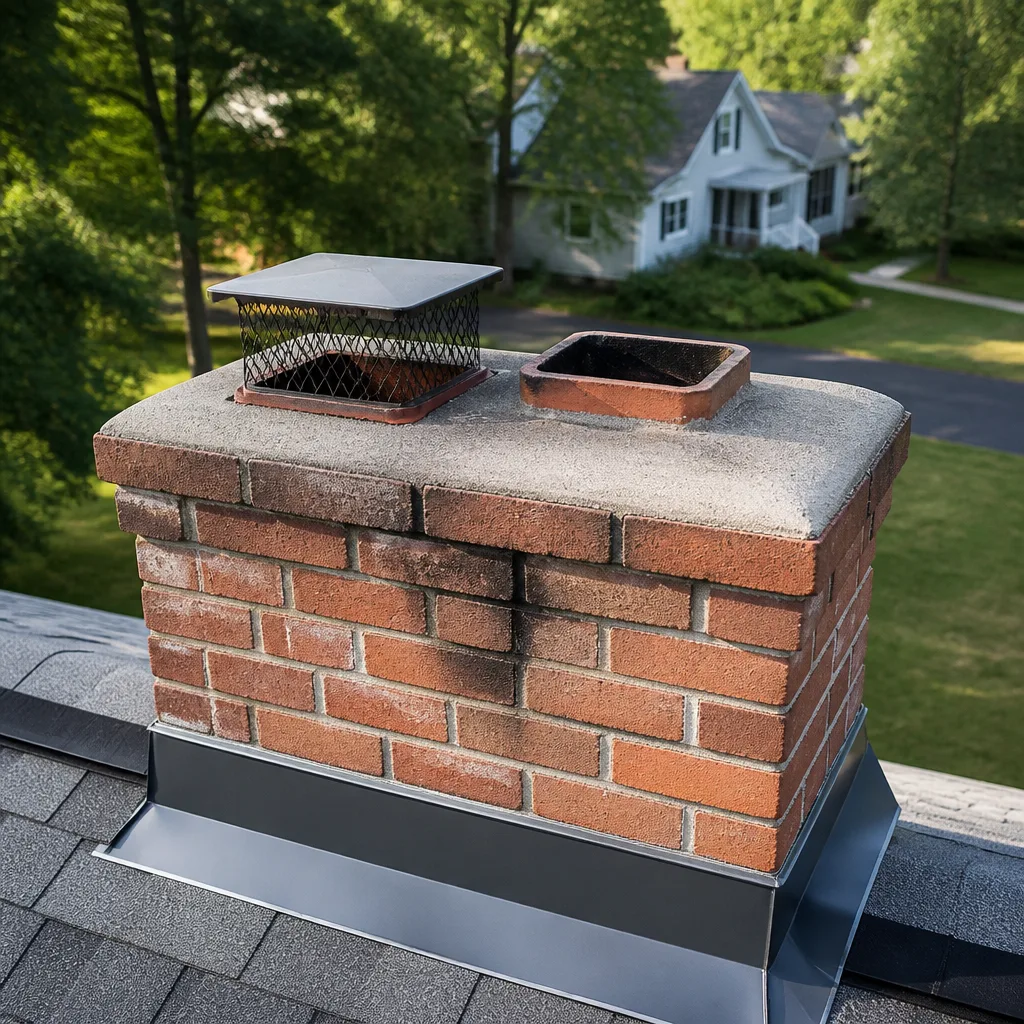
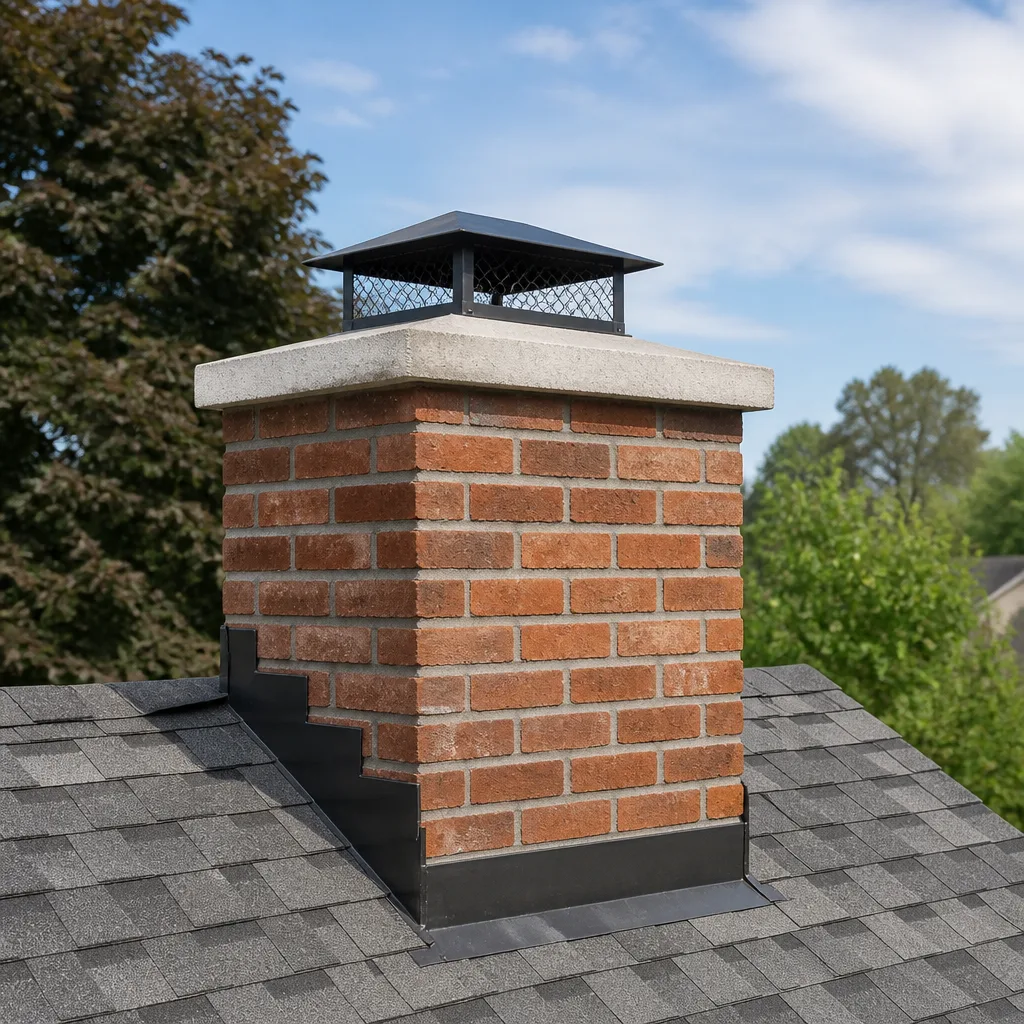
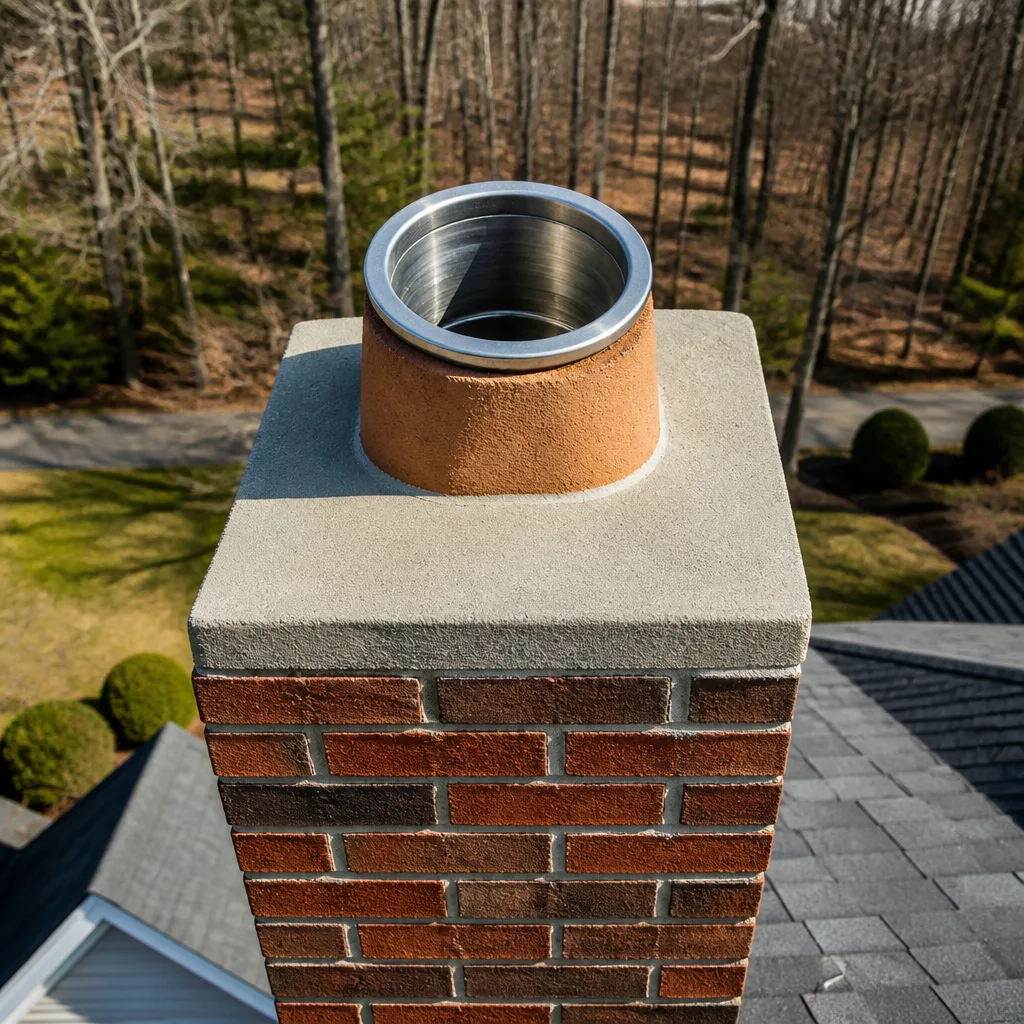
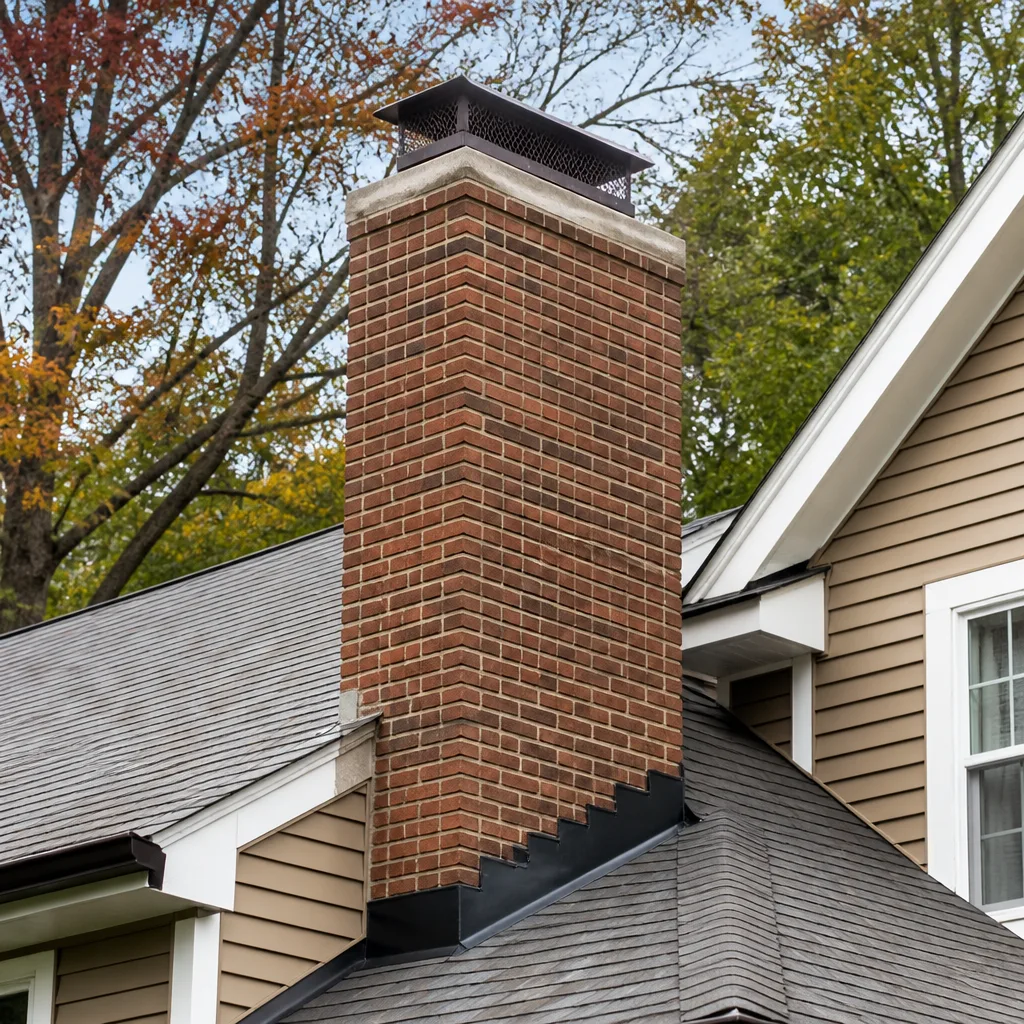
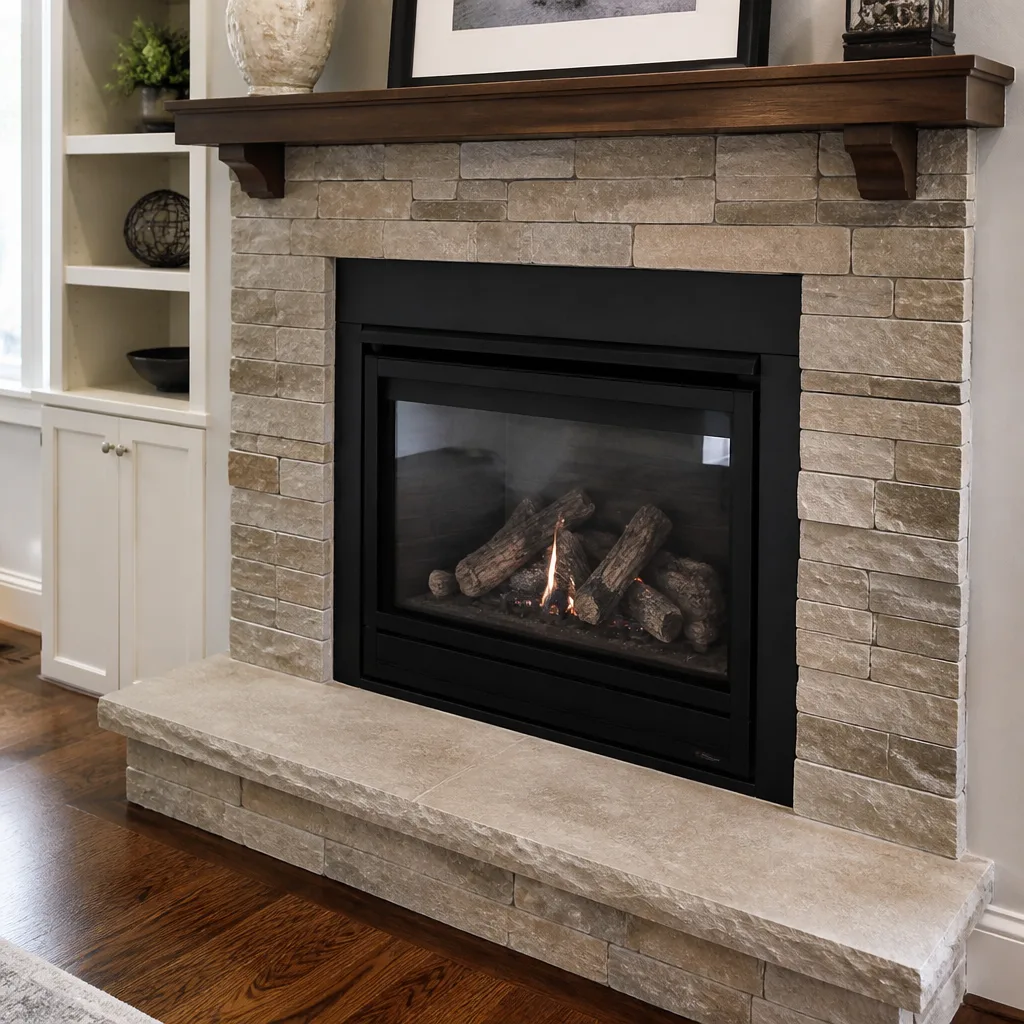
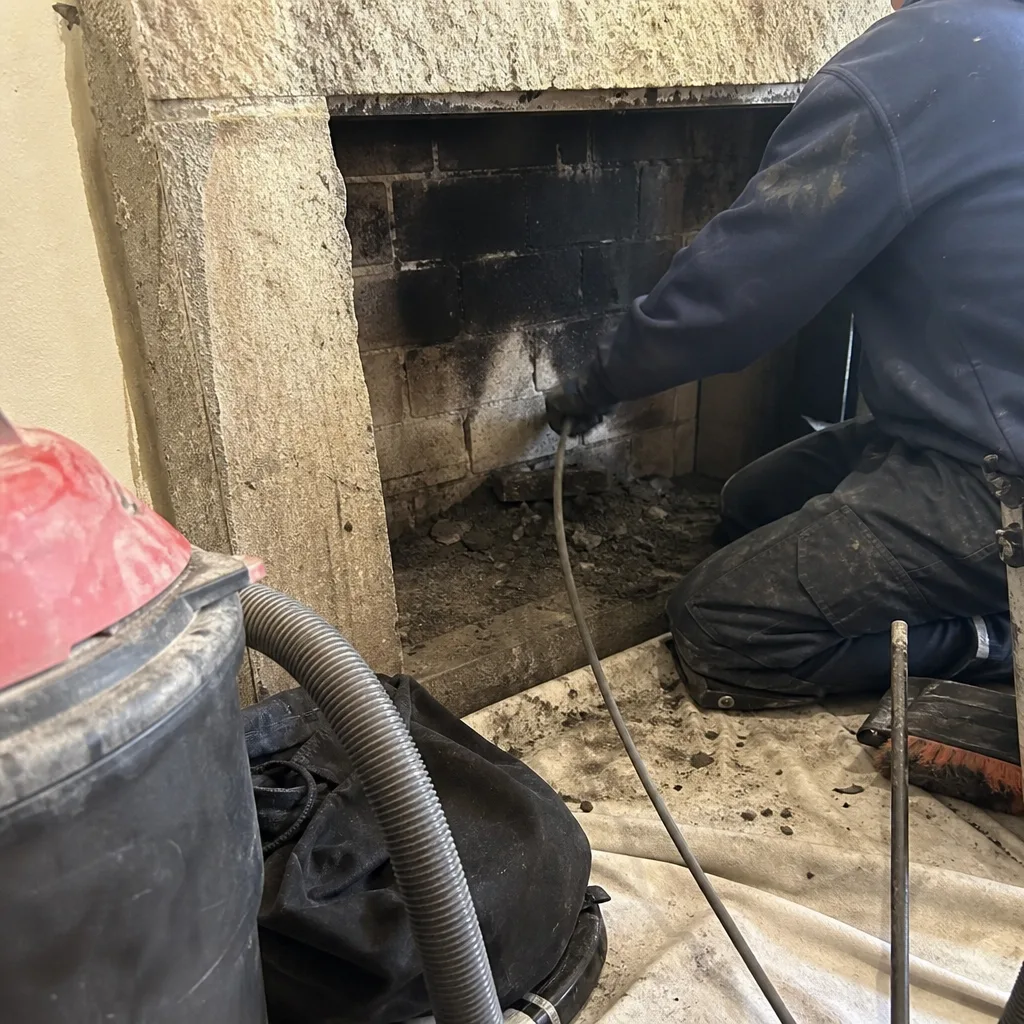 Before
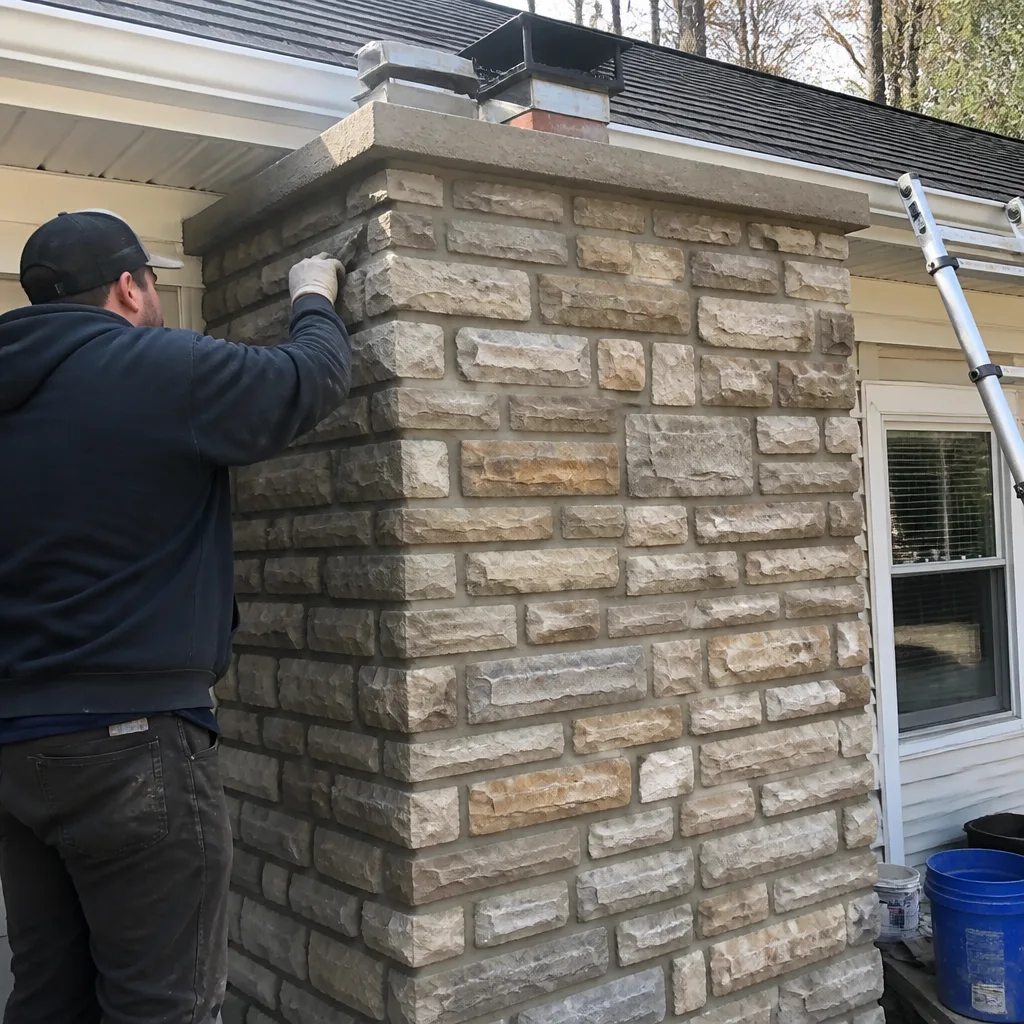 After
After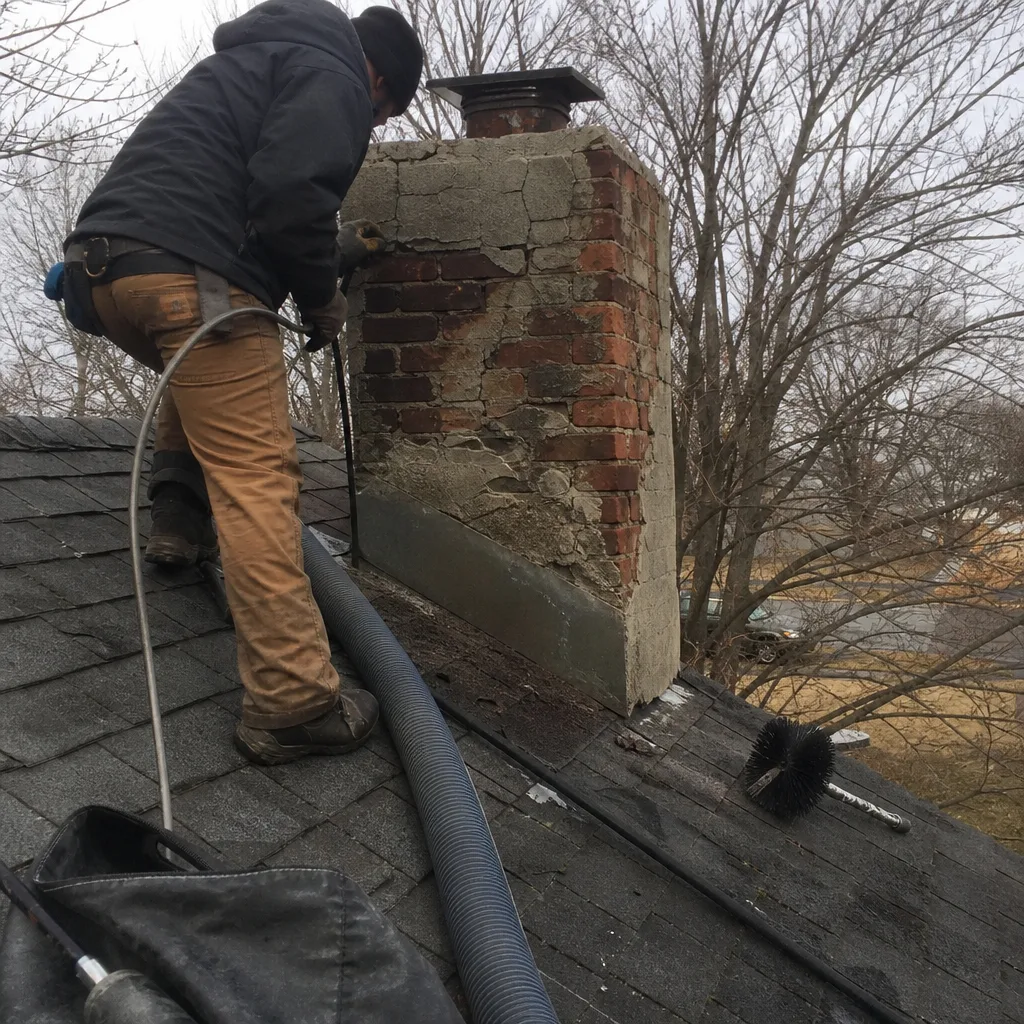 Before
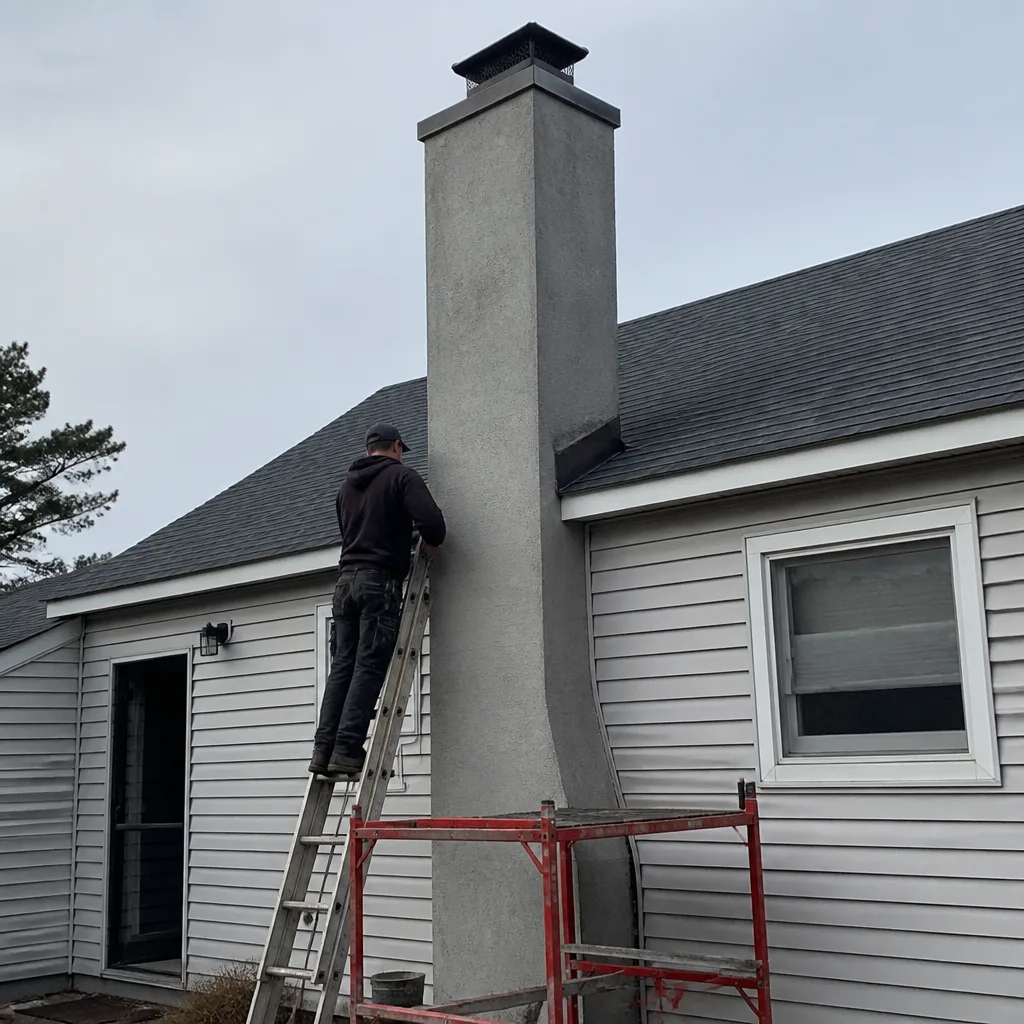 After
After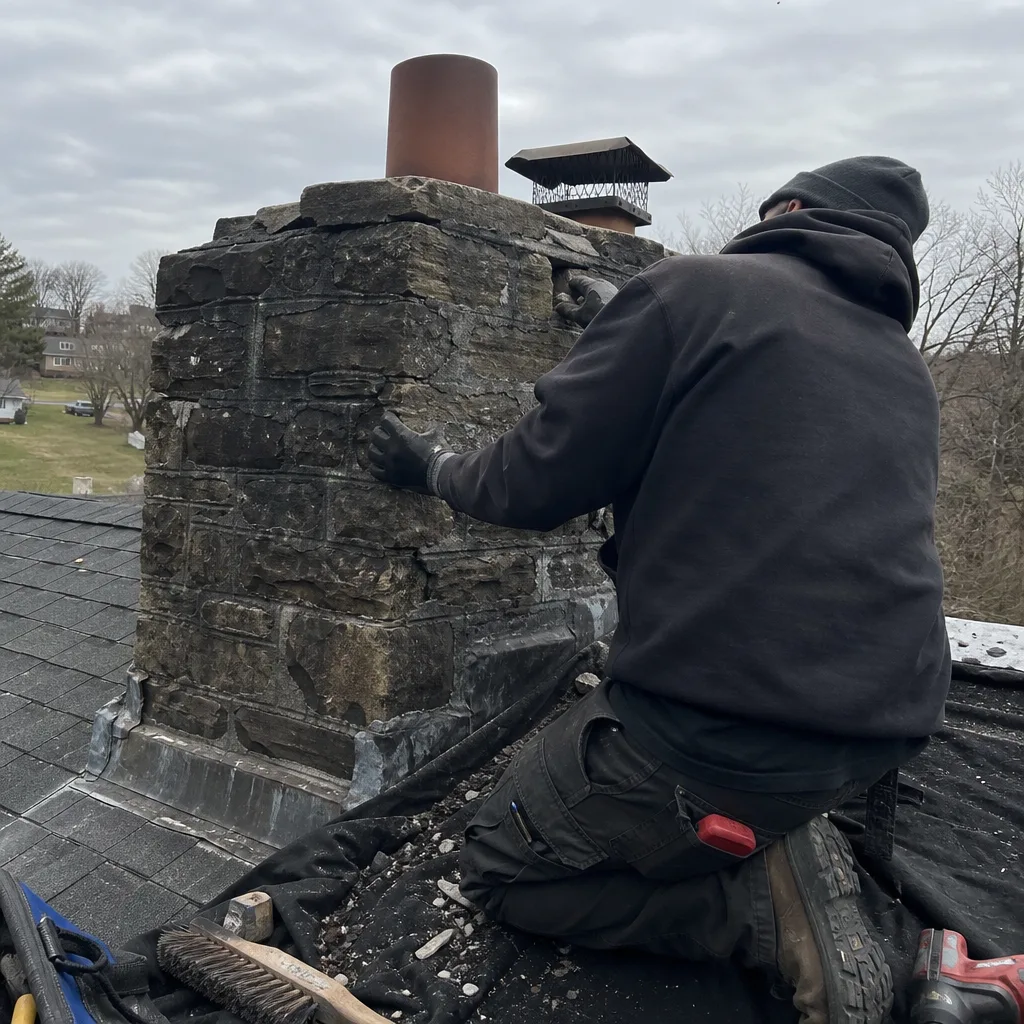 Before
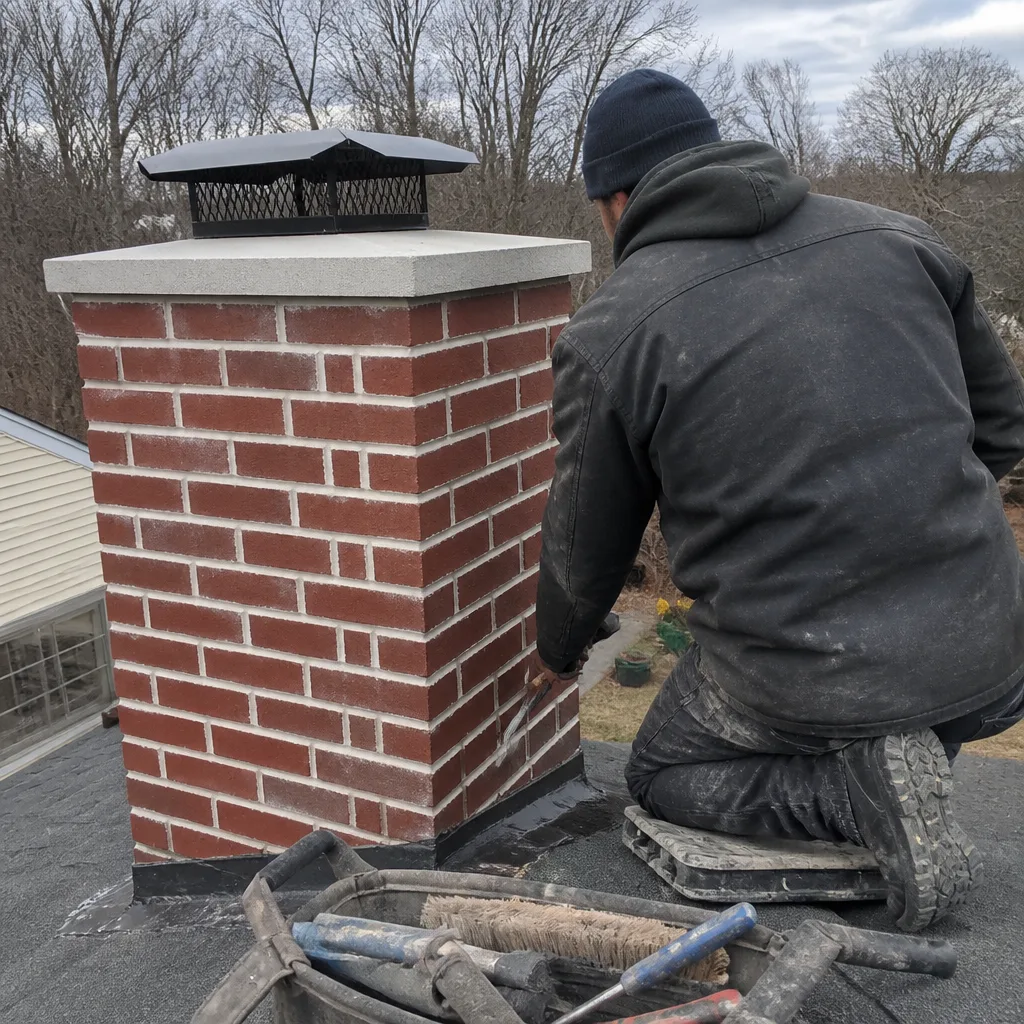 After
AfterHow to Hire a Chimney Cleaning Contractor in Bangor: A Step-by-Step Guide
There is no Pennsylvania state license required to call yourself a chimney sweep. Anyone with a brush and a van can take your money and hand you a receipt - which means the hiring decision is entirely on you. In Bangor, where winter temperatures routinely drop below 20°F and a failed heating system becomes an emergency by morning, the wrong contractor does not just waste your Saturday. They leave creosote in your flue, cracks in your liner, or worse - a false sense of safety that costs far more than the original bill. This guide gives you the exact questions, credential checks, and contract terms that separate accountable craftsmen from price-cutters.
Quick Answer
To hire a chimney cleaning contractor in Bangor, verify active CSIA certification through the public database, confirm both general liability and workers’ compensation insurance directly with the carrier, require a written scope of work with timestamped photo documentation, and refuse any quote given without a site visit. The lowest price is rarely the safest choice - accountability and documentation matter more than a $30 difference.
Table of Contents
- Why Credentials Matter More Than Price in Bangor
- How to Verify CSIA Certification (And Why It Is the Only Credential That Counts)
- The Insurance Check Every Homeowner Should Run Before Anyone Climbs a Ladder
- Six Contract Terms to Require in Writing Before Work Begins
- Bangor-Specific Red Flags: Door-to-Door Offers, Phone Quotes, and Cash-Only Requests
- What a Legitimate Post-Job Report Contains (And Why a Receipt Is Not Enough)
- What to Expect During a Professional Chimney Cleaning in Bangor
- Common Mistakes to Avoid
- When to Call a Professional
- Frequently Asked Questions
- The Bottom Line
Why Credentials Matter More Than Price in Bangor
Bangor sits in Northampton County’s Slate Belt, where homes built between 1890 and 1960 dominate the housing stock. These chimneys were constructed for coal, then adapted for oil, then adapted again for natural gas or wood-burning inserts. Each adaptation left its mark - oversized flues, deteriorating mortar, hidden thimbles, and liner gaps that an untrained eye simply does not recognize.
We have been called to homes on Broadway and in the Five Points neighborhood where a previous “sweep” ran a brush up and down, collected $150, and left behind a flue lined with glazed creosote thick enough to fuel a chimney fire. The homeowner saved $40. They nearly lost their house.
The problem is structural. Pennsylvania does not regulate chimney sweeping at the state level. There is no state license, no mandatory inspection, no recourse through a state board if the work is fraudulent or dangerous. Your protection is entirely in the questions you ask before hiring.
Price comparison websites and coupon mailers treat chimney sweeping like a commodity - same service, different price. It is not. The difference between a qualified sweep and an unqualified one is invisible until something goes wrong in the middle of January. In Bangor, where the average January low is 18°F and heating emergencies become life-safety events, that invisible difference can become very visible, very fast.
What you are actually paying for is not a brush. It is judgment - the trained assessment of whether your chimney is safe to use, whether that crack is superficial or structural, whether the liner has shifted, whether the crown is directing water into the flue. That judgment requires education, ongoing training, and accountability to a professional standard. Price cannot measure it. Credentials can.
How to Verify CSIA Certification (And Why It Is the Only Credential That Counts)
The Chimney Safety Institute of America (CSIA) is the only nationally recognized certification body for chimney sweeps. It is not a membership organization you join by paying dues. It is a credential you earn through examination, maintain through continuing education, and lose if you violate a published code of ethics.
Here is why CSIA certification is different from every other credential a contractor might wave at you:
- Examination requirement: Candidates must pass a comprehensive test covering combustion, ventilation, building codes, and safety standards.
- Continuing education: Certified sweeps must earn CEUs annually to maintain the credential - meaning the certificate from 2015 is worthless if not renewed.
- Code of ethics: CSIA-certified sweeps agree to specific conduct standards, including honest assessment of needed work and refusal to create false urgency.
- Public verification: The CSIA maintains a searchable database at csia.org where you can confirm any sweep’s current status before they arrive.
Other credentials exist - NFI (National Fireplace Institute), for example, certifies hearth specialists in specific appliance types. That is valuable for fireplace installation work. But for chimney sweeping and inspection, CSIA is the baseline standard that every legitimate contractor should hold.
How to verify it yourself:
- Go to csia.org and locate the “Find a Certified Professional” search tool.
- Enter the contractor’s name or company name.
- Confirm the certification status shows “Active” with a current expiration date.
- Cross-check the name against the person who will actually perform your work - some companies employ one certified sweep and send uncertified technicians to jobs.
In our 42 years of service, we have encountered homeowners in Bangor who were shown a CSIA certificate that expired years ago, or belonged to the company owner but not the employee who arrived at their door. The database does not lie. Check it every time.
The Insurance Check Every Homeowner Should Run Before Anyone Climbs a Ladder
A contractor on your roof is a liability you cannot ignore. Falls from height, damage to roofing materials, sparks entering the structure - these are real risks, and your homeowner’s policy may not cover them if the contractor is uninsured.
There are two types of insurance that matter, and most homeowners only think to ask about one.
General liability insurance covers damage the contractor causes to your property - a dropped tool through a skylight, a scratched roof, a fire started by careless work. You should request a certificate of insurance showing at least $1 million in coverage, and you should verify it directly with the insurance carrier. Do not accept a photocopy or PDF at face value. Call the number on the certificate and confirm the policy is active and the coverage dates include your scheduled work.
Workers’ compensation insurance covers injuries to the contractor’s employees while on your property. This is where many one-truck operators and cash-only outfits cut corners. If a worker falls from your roof and the employer lacks workers’ comp, that worker’s attorney will name you in the lawsuit - and your homeowner’s policy may not defend you. In Pennsylvania, workers’ comp is mandatory for employers with one or more employees, but enforcement is weak and the underground economy is real.
How to verify both:
- Request a certificate of insurance from the contractor. Legitimate companies provide these routinely.
- Call the insurance carrier listed on the certificate - not the contractor, not the agent - and verify the policy is active.
- Confirm the certificate names the specific company you are hiring, not a related entity or personal policy.
- For workers’ comp, ask the Pennsylvania Bureau of Workers’ Compensation if you have any doubt - they can confirm coverage status for registered employers.
We carry both coverages without exception, and we have never refused a homeowner’s request to verify them. Any contractor who hesitates or deflects is telling you something important.
Six Contract Terms to Require in Writing Before Work Begins
A handshake and a verbal estimate protect no one. In Pennsylvania, home improvement contracts over $500 must be in writing under the Home Improvement Consumer Protection Act, but chimney sweeping often falls below that threshold - and unscrupulous operators know it.
Require these six elements in every written agreement, regardless of project size:
- Scope of work: Exactly what will be done - sweeping, inspection, specific repairs - with method specified (rotary power sweeping vs. manual brushing, Level 1 vs. Level 2 inspection per NFPA 211).
- Documentation format: What you will receive after the job - written report, photos, video, recommendations with priority rankings. A receipt with “chimney cleaned” scribbled on it is not documentation.
- Cleanup responsibility: Who protects your floors, who contains soot and debris, who removes the waste. We use HEPA vacuums and drop cloths as standard; some operators leave your living room looking like a coal mine.
- Warranty language: What is guaranteed, for how long, and the process for making a claim. Our 90-Day Done Right Promise is simple: if it is not right, we come back. In writing, no arguing.
- Pricing structure: Fixed price vs. time-and-materials, payment schedule, and conditions under which price may change. No-hassle upfront pricing means the number on the estimate is the number on the invoice.
- Dispute process: How disagreements are resolved - mediation, arbitration, or litigation - and which state’s laws govern. This matters if you hire an out-of-area contractor who advertises in Bangor but is based elsewhere.
We have seen contracts from competitors that mention none of these - just a price and a signature line. That is not a contract. It is a blank check.
Bangor-Specific Red Flags: Door-to-Door Offers, Phone Quotes, and Cash-Only Requests
Every market has its predators. Bangor’s mix of older housing stock, fixed-income retirees, and seasonal weather patterns creates specific vulnerabilities that dishonest operators exploit.
Door-to-door offers following storm events: After every significant wind or ice storm, crews appear in Bangor neighborhoods offering “free chimney inspections” or claiming your neighbor already signed up. These are almost always high-pressure sales operations. Legitimate chimney companies do not canvas door-to-door. The “free inspection” finds $3,000 in urgent repairs - repairs that do not exist, or that a qualified inspection would rate as monitorable. If someone knocks uninvited, decline politely and close the door.
Quotes given over the phone without a site visit: No one can assess chimney condition by phone. The flue cannot be measured, the liner cannot be viewed, the crown cannot be evaluated. A phone quote is either wildly inflated to cover unknowns, or artificially low to get a foot in the door - with the real price revealed after arrival. We do not provide estimates without seeing the chimney. Neither should any contractor you consider.
Cash-only requests: A contractor who insists on cash, offers a “discount” for cash payment, or refuses to accept checks or cards, is almost certainly operating outside the tax and insurance systems. This means no paper trail, no recourse if the work fails, and no workers’ comp coverage for their employees. It is not a deal. It is a warning.
Additional Bangor-specific warnings:
- Contractors who claim “Bangor requires” specific work or permits - the borough has no chimney-specific permitting beyond standard building codes, and any claim otherwise is a pressure tactic.
- Operations with no local address or phone number with an out-of-area area code. We answer our phones with a live person 24 hours a day, 7 days a week, and our trucks are based in Northampton County.
- Promises of same-day completion for complex repairs. Most of our jobs are completed in a single visit because we arrive prepared with professional-grade materials from HeatShield, Gelco, and Olympia Chimney. But we do not promise what we cannot deliver, and neither should anyone else.
What a Legitimate Post-Job Report Contains (And Why a Receipt Is Not Enough)
The work is finished. The technician packs up. You are handed a carbon-copy receipt that says “Chimney swept - $189.” That is not a professional job. That is a brush rental with a stranger attached.
A legitimate post-job report documents what was found, what was done, and what requires attention. It protects you, protects the contractor, and creates a baseline for future inspections. Here is what it should include:
- Timestamped photographs: Images of the flue interior, damper, smoke chamber, and exterior crown, dated and preferably geotagged. These are not for the contractor’s portfolio. They are evidence you can reference if questions arise later.
- Written condition assessment: Specific observations, not generic checkboxes - “3/8-inch vertical crack in rear flue tile at 14 inches above smoke shelf” rather than “flue OK.”
- Service performed: Method used, materials applied, areas accessed. If a product like HeatShield was used for smoke chamber parging, it should be named specifically.
- Recommendations prioritized: Immediate safety concerns vs. monitorable conditions vs. preventive maintenance. A contractor who labels everything “urgent” is a contractor who cannot distinguish real risk from sales opportunity.
- Clear statement of safety for use: Whether the chimney is approved for immediate use, approved with conditions, or not approved pending repair.
We provide this documentation on every Chimney Cleaning & Sweep in Bangor because a craftsman stands behind his work with evidence, not assurances. A contractor who refuses photos, who claims “the camera was not working today,” or who says “trust me, it looks fine” - that contractor should not be hired regardless of price. The refusal itself is diagnostic.
What to Expect During a Professional Chimney Cleaning in Bangor
Understanding the process helps you evaluate whether the contractor you hired is performing legitimate work or going through motions. Here is what a proper chimney cleaning entails, from arrival to departure.
Pre-service preparation: The technician should lay protective coverings over floors and furniture near the work area, seal the fireplace opening to prevent soot escape, and inspect the accessible exterior for obvious damage before beginning. Background-checked, uniformed technicians arrive in marked vehicles with company identification - not an unmarked van and a first name.
The cleaning process: Modern chimney sweeping uses rotary power tools with flexible rods and specialized brushes sized to your flue diameter - not a single wire brush grabbed from a hardware store. The technician works from both the fireplace opening and roof access when safe and appropriate, removing creosote deposits by stage (powdery, flaky, or glazed) and noting any obstruction or damage encountered.
Level 2 inspection: For most Bangor homes - particularly those with changes in fuel type, liner installation, or real estate transactions - NFPA 211 recommends a Level 2 inspection. This includes video scanning of the flue interior with a camera system, examination of accessible portions of the chimney exterior and attic, and assessment of clearances to combustibles. Our Chimney Repair in Bangor services always begin with this level of documentation because you cannot repair what you cannot see.
Post-service documentation: As detailed above - photos, written report, recommendations, safety clearance. The technician should review findings with you in plain English, answer questions, and provide written estimate for any recommended repairs before departing.
Cleanup: The work area should be left as found or better. HEPA vacuuming of the firebox and surrounding area, removal of all protective coverings, and proper disposal of creosote waste (which is hazardous material, not household trash).
Most of our jobs are completed in a single visit because our technicians arrive with the equipment and materials to do the work properly - including professional-grade supplies from Famco and other industry-trusted brands. Multiple visits for routine cleaning indicate either poor preparation or intentional upselling.
Common Mistakes to Avoid
- Hiring based on coupon price alone. The $99 sweep special often becomes a $2,400 “emergency repair” once the technician is in your home. The initial price is bait; your fear is the switch.
- Assuming all “certifications” are equal. A certificate from an online course completed in two hours is not CSIA certification. Ask specifically, verify independently.
- Skipping the insurance verification. It feels awkward. Do it anyway. A two-minute phone call to an insurance carrier prevents years of litigation.
- Accepting verbal promises about warranty or follow-up. “We’ll come back if there’s a problem” means nothing without written terms. Our 90-Day Done Right Promise is on paper because verbal commitments evaporate when the phone stops being answered.
- Neglecting to ask who performs the actual work. The owner may be certified; the employee sent to your home may not be. Confirm the specific technician’s credentials.
- Ignoring Bangor’s specific climate factors. Our freeze-thaw cycles damage crowns and mortar faster than in milder regions. A contractor unfamiliar with Slate Belt weather patterns may miss accelerated deterioration that a local sweep recognizes immediately.
- Waiting until October to schedule. Burning season creates demand spikes, and the best contractors book weeks ahead. We answer calls 24/7 year-round, but scheduling flexibility favors the prepared homeowner.
When to Call a Professional
Certain conditions demand immediate professional assessment, regardless of your scheduled maintenance calendar. Call a qualified sweep promptly if you notice:
- Smoke entering your living space during fireplace use
- Visible cracks in the exterior masonry or shifting of the chimney structure
- A strong, acrid odor from the fireplace in warm weather (indicating active creosote buildup)
- White staining (efflorescence) on exterior brick, signaling moisture intrusion
- Any chimney fire event, however brief - even a “small” puffing incident requires full inspection
Carbon monoxide is odorless, colorless, and produced by incomplete combustion. A blocked or damaged flue can direct it into your home instead of outside. If your CO detector alarms, evacuate and call emergency services before calling a sweep - but call the sweep before using the system again.
Hearthstone Chimney Co. offers free estimates in Bangor. Our phones are staffed by a live person 24 hours a day, 7 days a week - not a voicemail, not a callback queue. Call (610) 609-7634 to schedule or to discuss any concern about your chimney’s condition.
Frequently Asked Questions
A professional chimney cleaning in Bangor typically ranges from $189 to $325 for a standard sweep with Level 1 inspection, and $275 to $450 for a Level 2 inspection with camera documentation. For a detailed breakdown of what drives these numbers, see our Chimney Cleaning Cost Breakdown: The Bangor Homeowner’s Reference for 2026. Prices below $150 should raise immediate questions about insurance status, certification, and what is actually included. Call (610) 609-7634 for an exact quote - estimates are free.
Not always. A liner needs replacement when it is cracked, improperly sized for your appliance, or missing entirely - but many liners show surface staining or minor deterioration that does not affect safety. We recommend nothing without camera evidence you can see for yourself, and we will plainly tell you when a condition can be monitored rather than repaired. Our Fireplace Services in Bangor include honest assessment of liner condition with full documentation.
The National Fire Protection Association recommends annual inspection, with cleaning frequency determined by use and fuel type. A wood-burning fireplace used regularly through Bangor’s heating season (roughly October through April) typically requires annual sweeping. Oil and gas systems may need less frequent cleaning but still require annual inspection for venting integrity and corrosion. The specific interval depends on your burning habits and what the inspection reveals.
Skipped maintenance leads to creosote accumulation, which ignites at approximately 451°F and burns at temperatures exceeding 2,000°F - hot enough to crack masonry and ignite adjacent framing. In Bangor’s older homes with balloon framing and minimal firestopping, a chimney fire can spread rapidly through wall cavities. Carbon monoxide intrusion from blocked or damaged flues poses the less dramatic but equally fatal risk. Neither condition announces itself in advance.
Basic brush cleaning of an easily accessible, straight flue is physically possible for a homeowner with proper equipment. However, you cannot perform a Level 2 camera inspection yourself, you cannot assess liner condition without training, and you cannot recognize the subtle indicators of venting failure that a certified sweep identifies. For most Bangor homeowners - particularly those with pre-1960 chimneys - professional assessment is the prudent choice. We document what we find so you understand your system, even if you choose to handle routine cleaning yourself.
Ask for a local business address and verify it. Check whether their vehicles carry Pennsylvania registration and local signage. Confirm their phone number rings to a local or regional answering service, not a national call center. We have served Northampton County communities for over 42 years, and our trucks are based here - not dispatched from Allentown or Scranton after you have already waited two weeks.
The Bottom Line
Hiring a chimney contractor in Bangor is a credential and documentation audit, not a price comparison. The CSIA-certified sweep with verified insurance, written scope, and timestamped photo reports costs more than the brush-and-van operator because they carry actual accountability - for their work, their employees, and your safety. The six contract terms in this guide, the insurance verification steps, and the red flags specific to our market give you the tools to distinguish between them. Explore our more guides & resources for additional homeowner protection strategies. Done right - and we stand behind it - is not a slogan. It is the standard every homeowner should demand.
Written by Russell Haines, Owner at Hearthstone Chimney Co., serving Bangor since 2014.